Organic fertilizer granule material conveying is a critical process in modern agricultural operations, ensuring efficient movement of granular organic fertilizers from production sites to application areas. This technology underpins the sustainability of agricultural practices by facilitating the seamless transport of nutrient-rich organic materials, which are essential for maintaining soil health and crop productivity. The principles and working scene characteristics of such conveying systems are vital for understanding their role in contemporary farming and processing environments.
Introduction to HeadPowder: Expertise in Material Handling Solutions
Shandong HeadPowder Engineering Co., Ltd., commonly known as HeadPowder, is a leading provider of engineering solutions tailored for the agricultural and material handling industries. With a strong presence in China, particularly in Shandong, the company specializes in designing, manufacturing, and implementing advanced systems for the transport and processing of organic fertilizers and other bulk materials. HeadPowder's commitment to innovation and quality has positioned it as a trusted partner for farms, fertilizer manufacturers, and agricultural cooperatives seeking reliable and efficient material conveying solutions.
The Core Principles of Organic Fertilizer Granule Material Conveying
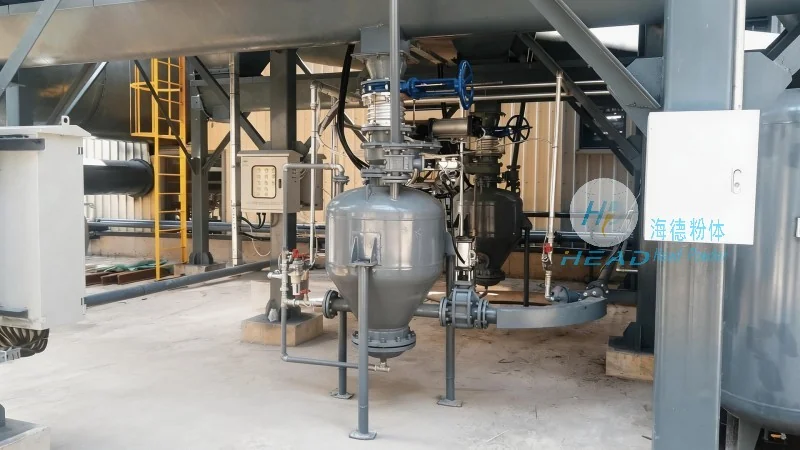
Organic fertilizer granule material conveying systems operate on fundamental principles of mechanical engineering, leveraging gravity, pressure, and mechanical force to move granular materials through pipelines or open channels. The primary goal is to achieve consistent, low-friction transport with minimal material degradation or loss. Key components of these systems include feed hoppers, conveyor belts or screw conveyors, and discharge mechanisms, each designed to handle the specific characteristics of organic fertilizer granules—such as their size, moisture content, and bulk density. The conveying process typically begins with the material being fed into a hopper, where it is then transported through a series of channels or belts. For organic fertilizers, which may be more prone to caking or sticking, specialized designs such as inclined screw conveyors or pneumatic systems are often employed to prevent blockages and ensure smooth operation.
Working Scene Characteristics: Adaptability and Efficiency in Diverse Agricultural Settings
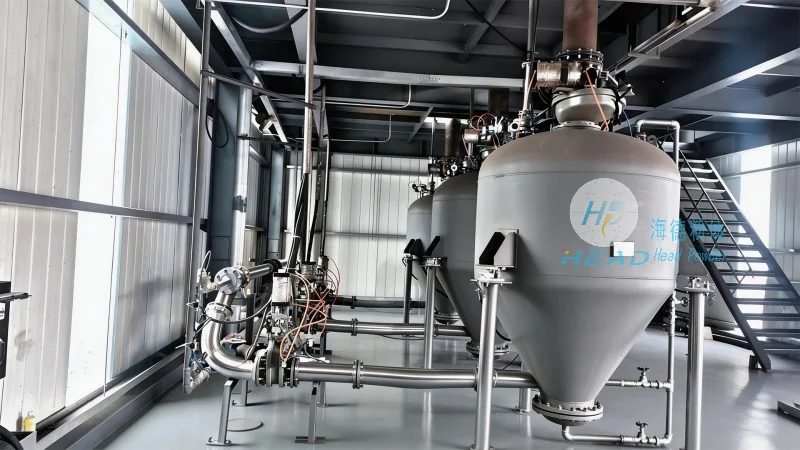
The working scene characteristics of organic fertilizer granule material conveying systems are defined by their adaptability to various agricultural and industrial environments. These systems are designed to operate in both indoor processing facilities and outdoor field applications, making them versatile for different stages of fertilizer production and distribution. In indoor settings, such as fertilizer manufacturing plants, the systems are integrated into production lines to handle large volumes of granules, ensuring that the material moves efficiently from mixing to packaging. The characteristics of these indoor scenes include high throughput, precise control over material flow, and the need for dust control measures due to the organic nature of the fertilizer. Outdoor applications, on the other hand, involve conveying granules from storage silos or production sites to application areas like fields or orchards. Here, the systems must withstand environmental factors such as weather conditions, temperature fluctuations, and potential exposure to moisture, while maintaining consistent performance. The working scene characteristics also highlight the importance of scalability; systems can be customized to handle varying material volumes, from small-scale farm operations to large industrial fertilizer plants.
Technical Advantages and Performance Metrics
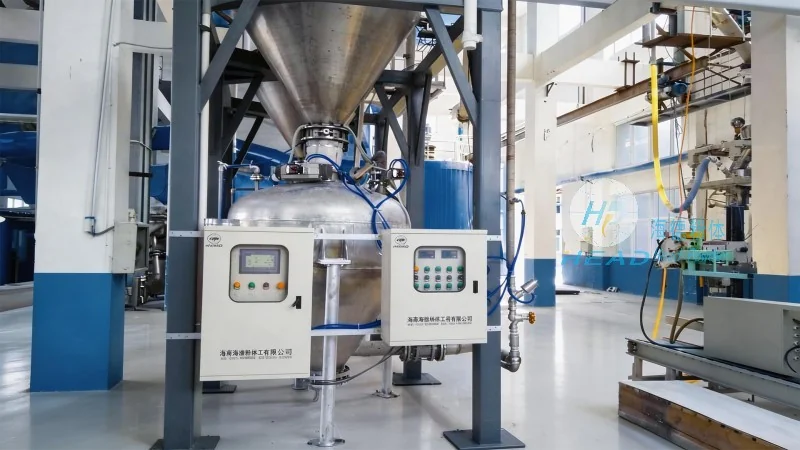
HeadPowder's organic fertilizer granule material conveying systems offer several technical advantages that enhance their performance and reliability. One key advantage is the use of durable materials, such as stainless steel or corrosion-resistant alloys, which are essential for handling organic fertilizers that may contain acidic or moisture-rich components. This reduces the risk of equipment wear and ensures long-term operational efficiency. Another advantage is the integration of variable speed drives and sensors, which allow for real-time monitoring of material flow and adjustment of conveying speed. This not only optimizes energy consumption but also prevents overloading or underloading of the system. The systems are also designed with safety features, such as emergency stop mechanisms and protective guards, to ensure compliance with industrial safety standards. Performance metrics, such as conveying capacity (measured in tons per hour), energy efficiency (in kilowatt-hours per ton), and material retention rate, are critical indicators of the system's effectiveness. HeadPowder's systems typically achieve high conveying capacities while maintaining low energy consumption, making them cost-effective for both small and large-scale operations.
Application Scenarios and Real-World Implementation
The application scenarios for organic fertilizer granule material conveying systems are diverse and reflect the varied needs of the agricultural sector. In small-scale farming operations, the systems may be used to transport granules from a local production site to the field, where they are applied manually or via simple spreaders. The working scene characteristics in these settings emphasize simplicity and cost-effectiveness, with systems designed to be easily installed and maintained by farm personnel. For medium to large-scale agricultural cooperatives or fertilizer manufacturers, the systems are integrated into larger production lines, where they handle high volumes of granules and connect to other processing equipment, such as mixers or packaging machines. The working scene characteristics in these scenarios include higher automation levels, integration with control systems, and the need for consistent material quality. In industrial settings, such as large fertilizer plants, the systems may be part of a complex network of conveyors, transporting granules from multiple production lines to storage silos or distribution centers. The working scene characteristics here involve high throughput, continuous operation, and the need for robust, reliable equipment that can operate 24/7. HeadPowder's systems have been successfully implemented in various application scenarios, demonstrating their adaptability and effectiveness in improving material handling efficiency and reducing operational costs.




