High-pressure material handling systems represent a critical technology in modern industrial operations, designed to efficiently transport bulk materials with precision and reliability. These systems are engineered to handle a wide range of materials, from powders and granules to liquids and slurries, under high pressure conditions. The core principle of such systems lies in the use of specialized pumps, high-pressure pipelines, and advanced control mechanisms to ensure consistent and controlled material flow. By leveraging high pressure, these systems can overcome resistance and deliver materials over long distances or through complex layouts, making them indispensable in sectors like chemical processing, pharmaceutical manufacturing, and food processing.
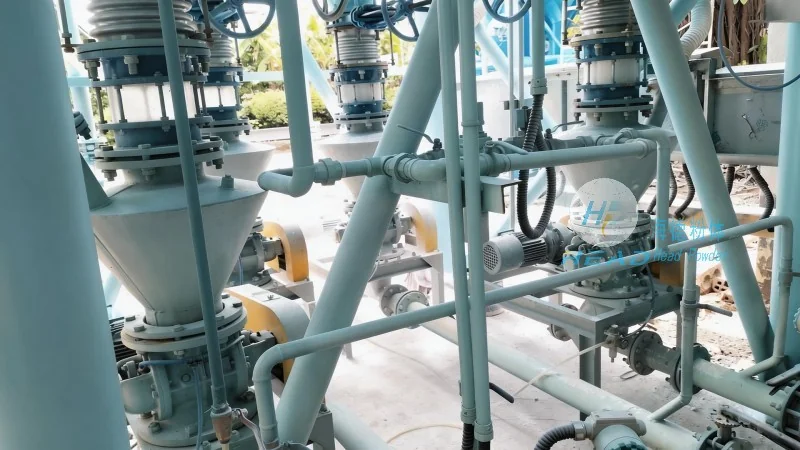
Company Profile: HeadPowder
HeadPowder, or Shandong HeadPowder Engineering Co., Ltd., is a leading provider of advanced material handling solutions. With headquarters located in Shandong, China, the company specializes in designing, manufacturing, and implementing high-pressure material transport systems tailored to meet the unique demands of various industrial applications. HeadPowder's expertise lies in integrating cutting-edge technology with robust engineering to deliver systems that are not only efficient but also safe and environmentally compliant. The company's commitment to quality and innovation has established it as a trusted partner for businesses seeking reliable material handling solutions.
Principles of High-Pressure Material Handling Systems
The fundamental principle of high-pressure material handling systems revolves around the generation and maintenance of high pressure within the transport pipeline. This is typically achieved through the use of positive displacement pumps, such as piston or plunger pumps, which are capable of delivering consistent flow rates and pressures. The system includes a network of high-pressure pipes, often made from durable materials like stainless steel or specialized polymers, to withstand the internal pressure and prevent leaks. Additionally, advanced control systems, including pressure sensors, flow meters, and automated valves, are integrated to monitor and regulate the operation in real-time. This ensures that the material is transported at the desired pressure and flow rate, minimizing downtime and optimizing operational efficiency. The high-pressure environment also helps in maintaining the integrity of the material, preventing agglomeration or degradation, which is crucial for sensitive products like pharmaceuticals or food ingredients.
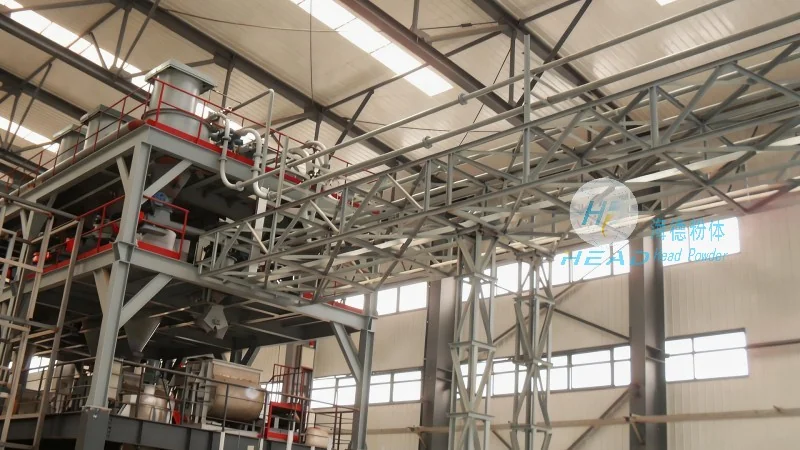
Working Scene Characteristics of High-Pressure Material Handling Systems
High-pressure material handling systems are characterized by their adaptability to diverse working environments and operational requirements. These systems are commonly employed in industrial settings where materials need to be transported over long distances or through challenging terrains, such as vertical or inclined paths. The high pressure ensures that the material can be moved against gravity or other resistive forces, making it suitable for applications in chemical plants, where raw materials are transported from storage to processing units, or in pharmaceutical factories, where sterile and controlled environments are essential. Another key characteristic is the ability to handle a wide variety of materials, including abrasive or corrosive substances, without causing damage to the system components. This versatility makes high-pressure systems ideal for industries that deal with complex material compositions, such as mining, where ore is transported from mines to processing facilities. Furthermore, the systems are designed to operate with minimal maintenance, thanks to the robust construction and advanced materials used in their components. This reduces operational costs and ensures continuous production, which is vital for businesses that rely on consistent material supply.
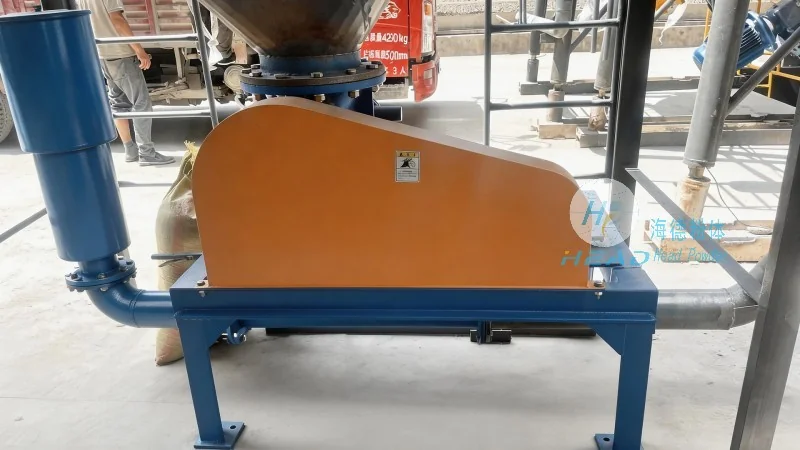
Applications and Industry Impact
High-pressure material handling systems find extensive applications across multiple industries, each leveraging the unique advantages of these systems to enhance operational efficiency. In the chemical industry, for instance, high-pressure systems are used to transport reactive chemicals or hazardous materials, ensuring safety and precision in the process. The ability to maintain high pressure and control flow rates helps in preventing accidents and maintaining product quality. In the pharmaceutical sector, these systems are employed to handle sensitive ingredients, such as active pharmaceutical ingredients (APIs), with strict adherence to hygiene and contamination control measures. The sterile design and high-pressure operation ensure that the materials remain pure and effective, meeting regulatory standards. Similarly, in the food processing industry, high-pressure systems are used to transport food powders and liquids, maintaining freshness and preventing spoilage. The systems are also designed to be hygienic and easy to clean, which is essential for food safety compliance. Overall, the adoption of high-pressure material handling systems has significantly improved the efficiency and safety of material transport in various industrial sectors, contributing to increased productivity and reduced operational risks.
Technical Advancements and Future Trends
Continuous advancements in technology have led to the evolution of high-pressure material handling systems, making them more efficient, reliable, and adaptable. Modern systems now incorporate digital control systems, allowing for real-time monitoring and data analysis, which helps in optimizing performance and predicting maintenance needs. The integration of sensors and IoT (Internet of Things) technology enables remote monitoring and control, enhancing operational flexibility. Additionally, the development of more durable and corrosion-resistant materials has extended the lifespan of the systems and reduced maintenance requirements. Future trends in high-pressure material handling systems include the adoption of more sustainable and energy-efficient designs, such as variable speed drives and energy recovery systems. These advancements aim to reduce the environmental impact of material transport while maintaining performance. Furthermore, the increasing demand for personalized and customized solutions has led to the development of modular systems that can be easily configured to meet specific operational needs. As industries continue to evolve, high-pressure material handling systems will likely play an even more critical role in ensuring efficient and safe material transport, driving further innovation in the field.




