Principles and Working Scene Characteristics of Barite Material Handling Systems
Release time:2026-09-19 10:01:31
name of the company:Shandong Headpowder Engineering Co., Ltd.
telephone:156-6277-7102
contacts:Zhang manager
Barite, a mineral composed primarily of barium sulfate (BaSO₄), is widely used in various industrial applications such as drilling fluids, weighting agents, and as a pigment. The efficient transportation of barite from mining sites to processing facilities or end-users is crucial for maintaining production efficiency and ensuring product quality. This article explores the principles behind barite material handling systems and highlights key working scene characteristics that define their operational effectiveness.
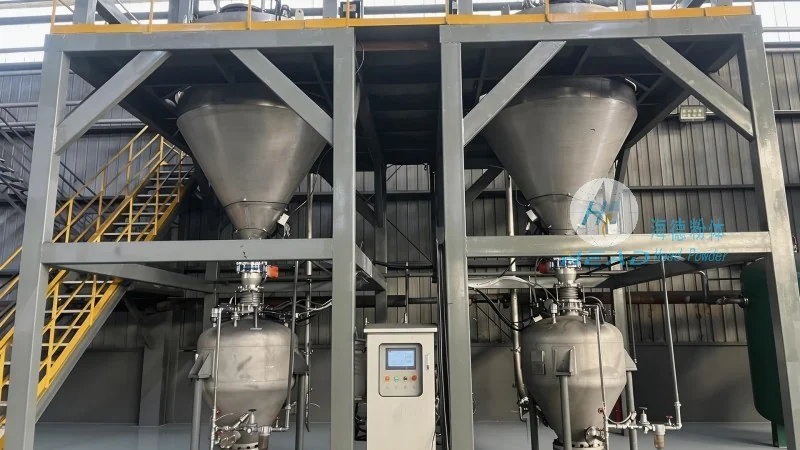
Core Principles of Barite Material Handling Systems
The design and operation of barite material handling systems are governed by several fundamental principles aimed at optimizing material flow, minimizing downtime, and ensuring safety. These principles include: efficient material transfer through appropriate equipment selection, maintaining consistent material properties during transport, and integrating with existing industrial processes. The systems typically involve a combination of conveyors, feeders, and storage solutions tailored to the specific characteristics of barite, such as its density, particle size, and moisture content.
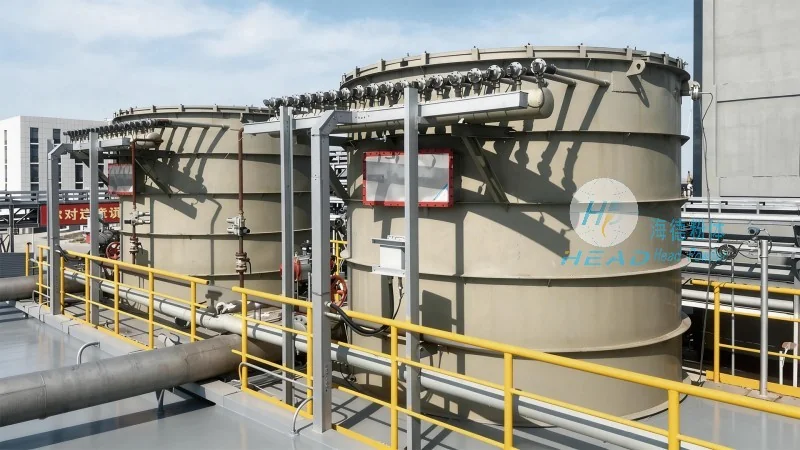
Working Scene Characteristics of Barite Material Handling Systems
The operational environment of barite material handling systems varies significantly based on the application and scale of the operation. Key characteristics include:
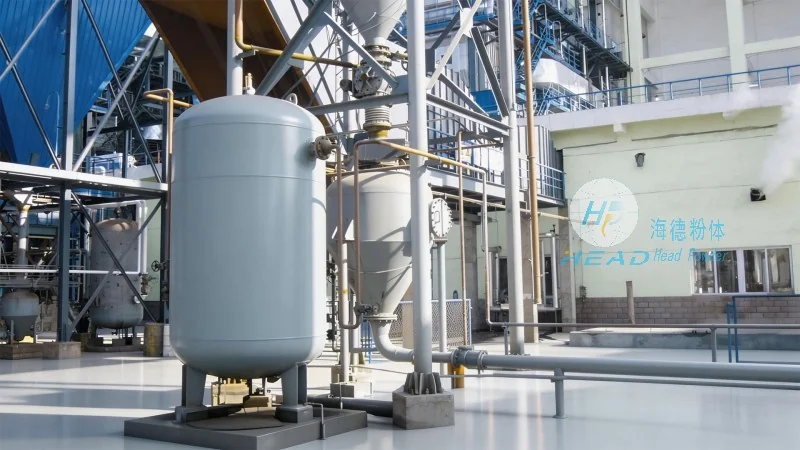
- Industrial Mining and Processing: In large-scale mining operations, systems are designed to handle bulk quantities of barite, often involving long-distance conveyors and high-capacity feeders to transport raw ore from mines to processing plants. The focus here is on durability and continuous operation to meet high production demands.
- Manufacturing and Processing Facilities: In processing plants, the systems may involve more precise handling, such as pneumatic conveying or belt conveyors, to transport barite to mixing or grinding units. The working scene emphasizes accuracy in material delivery to maintain consistent product specifications.
- Construction and Infrastructure Projects: Barite is sometimes used in construction materials, and the handling systems for these applications may involve portable or modular equipment to transport smaller quantities to job sites. The working scene here prioritizes mobility and adaptability to different project locations.
Equipment and Technology in Barite Material Handling
Modern barite material handling systems leverage advanced technologies to enhance performance and reliability. Key equipment includes:
- Belt Conveyors: Commonly used for horizontal and slight incline transport, belt conveyors are ideal for moving large volumes of barite over long distances. They are durable and can handle abrasive materials like barite without significant wear.
- Pneumatic Conveying Systems: These systems use air pressure to transport barite in a closed pipeline, suitable for applications requiring dust control and precise material delivery. They are particularly effective in processing facilities where cleanliness and product purity are critical.
- Feeding and Dosing Equipment: Equipment such as rotary valves, vibratory feeders, and screw conveyors is used to control the flow rate of barite, ensuring consistent material supply to downstream processes. This is essential for maintaining stable operation in processing plants.
Operational Efficiency and Maintenance
Efficiency in barite material handling systems is achieved through regular maintenance and proper operational practices. Key factors include:
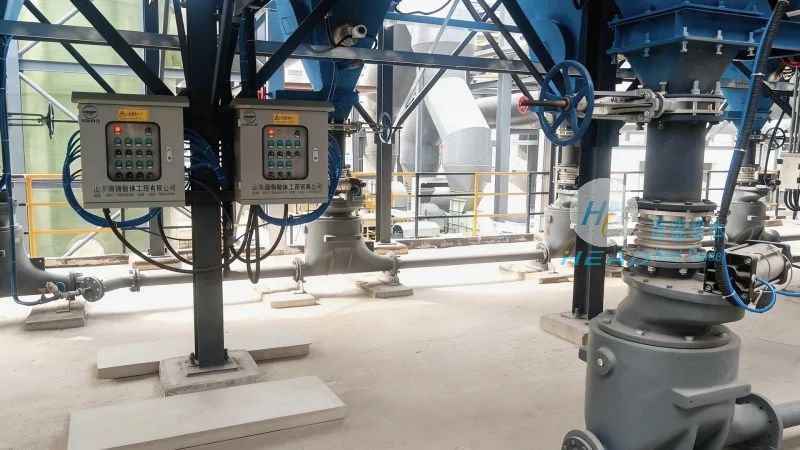
- Preventive Maintenance: Regular inspection and maintenance of conveyor belts, bearings, and other components prevent breakdowns and extend equipment lifespan. This ensures continuous operation and reduces downtime costs.
- Material Handling Safety: Proper safety measures, such as dust suppression systems and protective enclosures, are implemented to protect workers from hazards associated with barite handling, including dust inhalation and material spillage.
- Process Integration: The systems are designed to integrate seamlessly with other industrial processes, such as grinding or mixing, to optimize overall plant efficiency. This integration ensures that barite is delivered to the next stage of production without interruptions.
About Shandong HeadPowder Engineering Co., Ltd.
Shandong HeadPowder Engineering Co., Ltd., commonly known as headpowder, is a leading provider of specialized material handling solutions for industries including mining, manufacturing, and construction. With a focus on innovation and customer-centric design, the company offers tailored systems for barite and other bulk materials. Headpowder’s expertise in engineering and manufacturing ensures that their solutions meet the unique requirements of each application, providing reliable and efficient material handling systems. Based in Shandong, China, the company leverages local resources and industry knowledge to deliver high-quality products and services to clients worldwide.




