HeadPowder Engineering Co., Ltd. specializes in providing advanced solutions for the pneumatic conveying of desulfurizer materials, a critical component in modern industrial processes. This article explores the fundamental principles behind this technology and highlights key operational scenarios where it excels.
Pneumatic Conveying Principles for Desulfurizer Materials
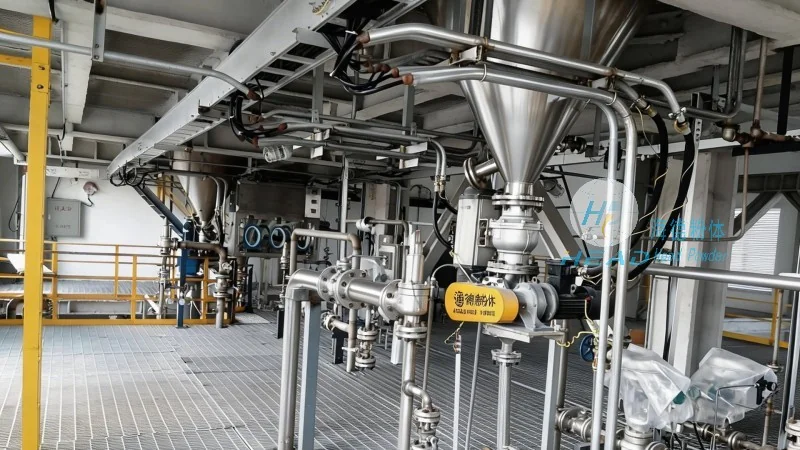
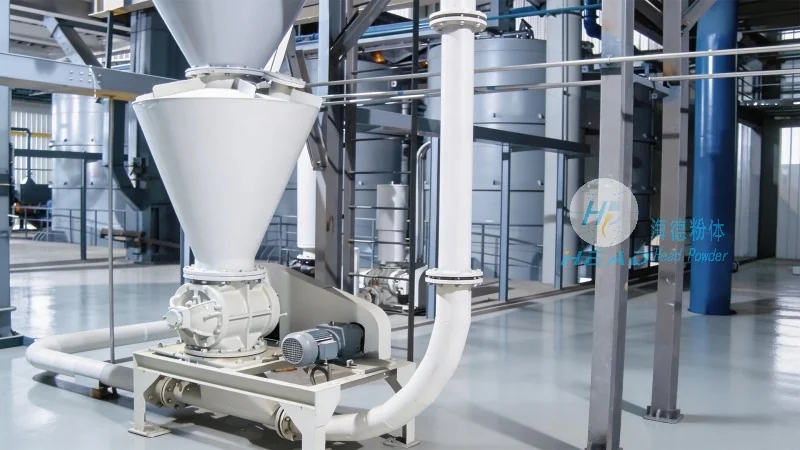
Pneumatic conveying is a method of transporting bulk materials through a pipeline using a stream of air or other gas. In the context of desulfurizer materials, which often include limestone, gypsum, or other reagents used in flue gas desulfurization (FGD) systems, this technology offers several advantages over traditional mechanical conveying methods. The core principle involves creating a pressure differential within the pipeline, either by suction (negative pressure) or pressure (positive pressure), to move the material. The process typically involves a hopper or feeder that introduces the desulfurizer material into the system, where it is entrained by the moving air stream and transported to the desired location. Key factors influencing the efficiency of this process include the material's particle size, density, and flowability, as well as the air velocity and pressure within the pipeline. Proper design of the conveying system, including the selection of appropriate ductwork, airlocks, and filters, is essential to ensure reliable and continuous operation.
Key Application Scenarios for Desulfurizer Material Pneumatic Conveying
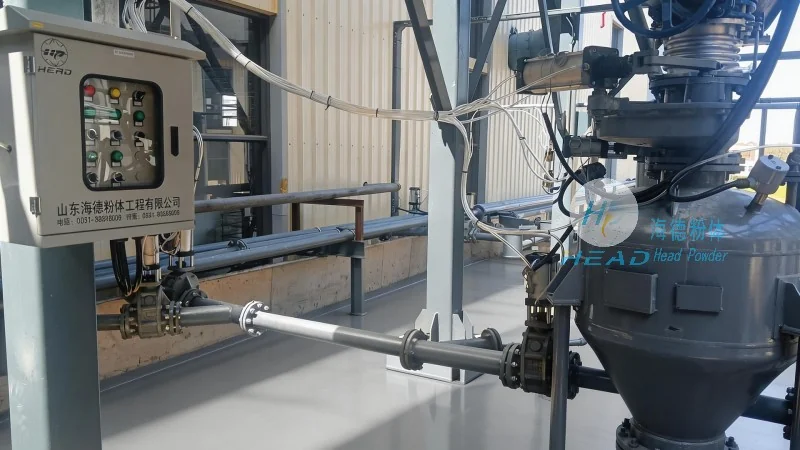
Desulfurizer material pneumatic conveying is widely used in various industrial settings, particularly in power plants and chemical facilities where FGD systems are employed. One primary application scenario is the transport of limestone or other alkaline reagents from storage silos to the reaction tower or absorber in FGD systems. This process requires precise control to maintain consistent material flow and prevent blockages or air leakage, which can impact the efficiency of the desulfurization process. Another common scenario involves the conveying of byproducts, such as gypsum, from the absorber to storage or disposal areas. The ability to handle these materials efficiently and safely is crucial for maintaining the operational integrity of the plant. Additionally, in some cases, pneumatic conveying is used to transport desulfurizer materials between different stages of the production process, such as from a raw material handling area to a processing unit. This flexibility allows for seamless integration into existing industrial workflows, enhancing overall productivity.
Company Profile and Technical Expertise
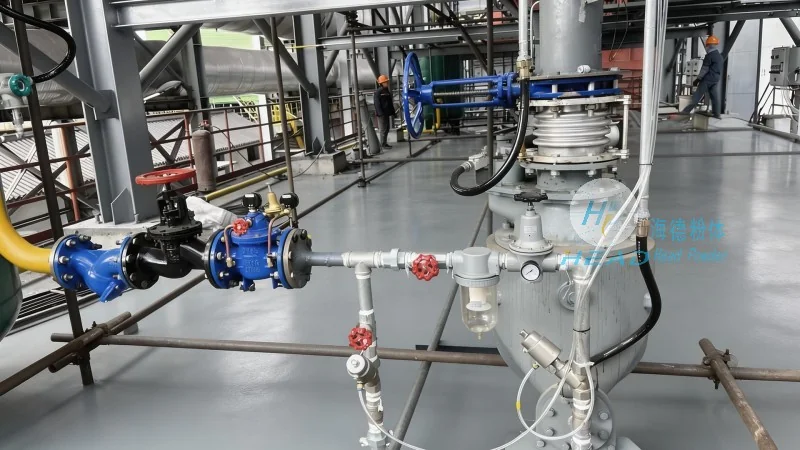
Shandong HeadPowder Engineering Co., Ltd., operating under the brand name HeadPowder, is a leading provider of engineering solutions for material handling and processing. With a strong focus on innovation and customer-centric design, the company has developed specialized pneumatic conveying systems tailored to the unique requirements of desulfurizer materials. HeadPowder's expertise lies in understanding the physical properties of different desulfurizer materials and designing systems that optimize conveying efficiency while minimizing energy consumption and operational costs. The company's team of engineers and technicians work closely with clients to assess their specific needs, from initial system design and installation to ongoing maintenance and support. By leveraging advanced technology and years of industry experience, HeadPowder ensures that its pneumatic conveying solutions meet the highest standards of performance, reliability, and safety. The company's operations are based in Shandong, China, where it serves a diverse range of industrial clients across the power, chemical, and environmental sectors.




