Shandong HeadPowder Engineering Co., Ltd., commonly known as headpowder, is a leading enterprise in the field of pneumatic conveying systems. Based in Shandong, China, the company specializes in designing, manufacturing, and implementing advanced material handling solutions tailored to diverse industrial needs. With a strong focus on innovation and quality, headpowder has established itself as a trusted partner for businesses requiring efficient and reliable transport of bulk materials.
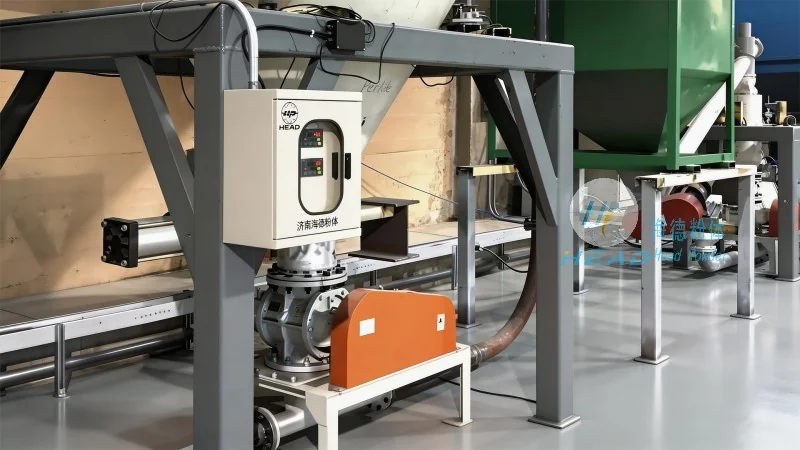
Pneumatic Conveying Systems: Core Principles
Pneumatic conveying systems operate on the fundamental principle of using air or gas to transport solid materials through pipelines. This method eliminates the need for mechanical components like belts or buckets, offering a more streamlined approach to material movement. The system typically consists of a blower or compressor to generate the necessary air pressure, a hopper to store the material, and a pipeline network to direct the flow. The pressure differential created by the air flow propels the material particles, allowing for continuous and controlled transport. There are two primary types of pneumatic conveying systems: pressure systems, which use compressed air to push material from the source to the destination, and vacuum systems, which use suction to draw material from a lower to a higher elevation. The choice between these systems depends on factors such as the material's properties, the distance to be covered, and the required flow rate.
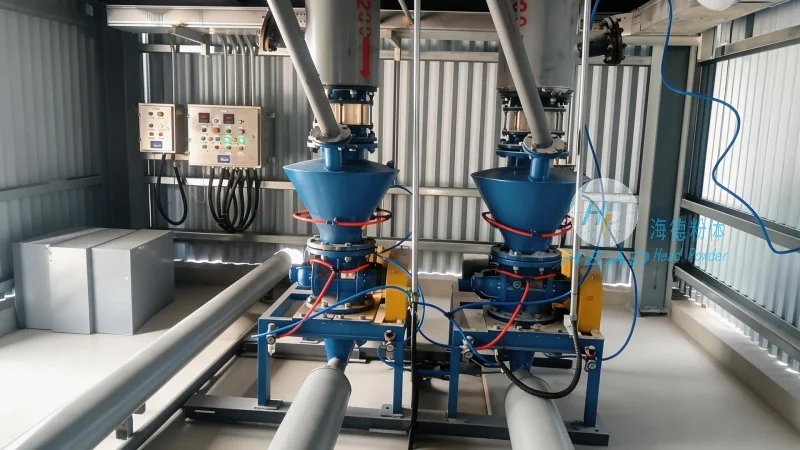
Magnesium Silicate Materials: Unique Handling Challenges
Magnesium silicate materials, including substances like talc, mica, or other fine powders, present specific challenges in material handling due to their physical characteristics. These materials often have low bulk density, fine particle sizes, and can be prone to dust generation. The low bulk density means that more material is required to achieve a given weight, while the fine particle size increases the risk of clogging in pipelines and equipment. Additionally, these materials may exhibit cohesive properties, making them difficult to separate or transport without proper conditioning. To address these challenges, specialized pneumatic conveying systems are designed with features such as agitators, pre-drying units, and optimized air flow rates to ensure smooth and efficient operation.
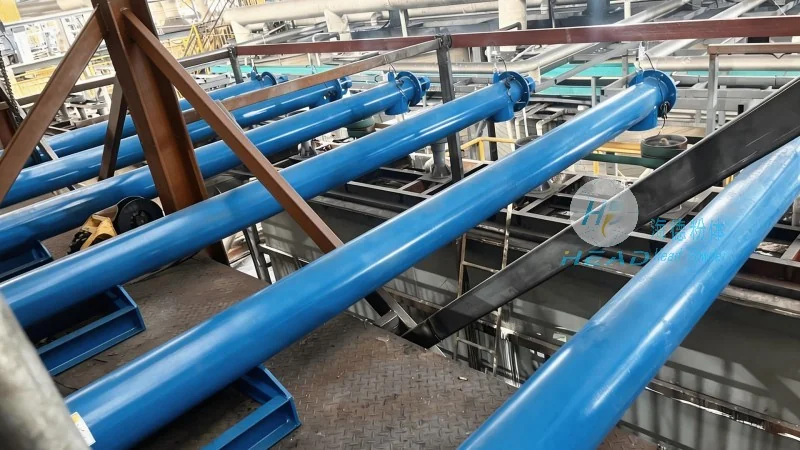
Working Scene Characteristics: Industrial Applications
The application of pneumatic conveying systems for magnesium silicate materials is widespread across various industrial sectors. In the chemical industry, these systems are used to transport raw materials and finished products in processes involving mineral processing and chemical synthesis. The pharmaceutical industry benefits from the ability to handle fine powders with high purity requirements, as pneumatic systems minimize contamination and ensure consistent material quality. Similarly, in the food processing sector, the hygienic design of pneumatic conveying equipment allows for the safe transport of food-grade magnesium silicate products, such as talc used in food additives. The working scene characteristics also include considerations for dust control and environmental compliance, as these systems are designed to minimize emissions and maintain clean working environments. In addition, the scalability of pneumatic conveying systems makes them suitable for both small-scale laboratory applications and large-scale industrial production lines, providing flexibility in meeting varying production demands.
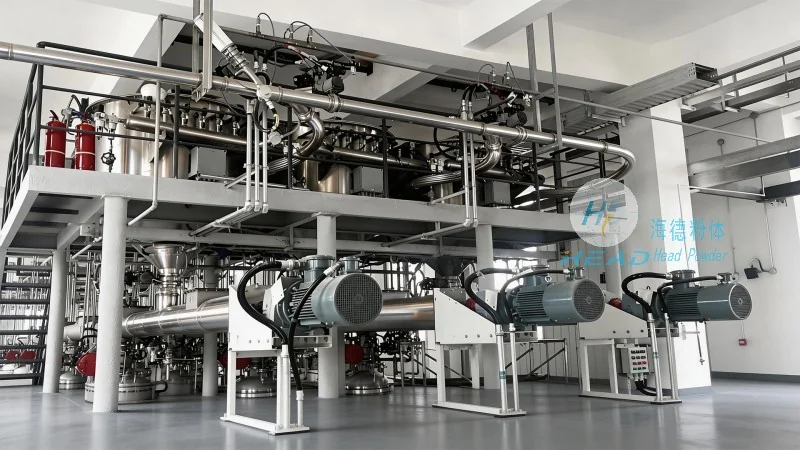
Advantages of Pneumatic Conveying Systems for Magnesium Silicate Handling
Implementing pneumatic conveying systems for magnesium silicate materials offers several key advantages over traditional material handling methods. One of the most significant benefits is the reduction in labor costs, as automated systems eliminate the need for manual handling of bulk materials. This not only improves efficiency but also enhances workplace safety by minimizing exposure to dust and physical strain. Additionally, pneumatic systems provide better control over material flow, allowing for precise dosing and consistent delivery to downstream processes. The ability to handle fine powders without the risk of clogging or degradation is another critical advantage, as these materials are often sensitive to mechanical stress. Furthermore, the compact design of pneumatic conveying equipment reduces the footprint required for material handling, making it an ideal solution for facilities with limited space. Overall, the integration of pneumatic conveying systems for magnesium silicate materials leads to improved operational efficiency, cost savings, and enhanced product quality in industrial applications.




