HeadPowder, a leading engineering company based in Shandong, China, specializes in the design, manufacturing, and implementation of advanced pneumatic conveying systems tailored for catalyst material handling. This article explores the fundamental principles behind these systems and highlights the key characteristics of their operational environments.
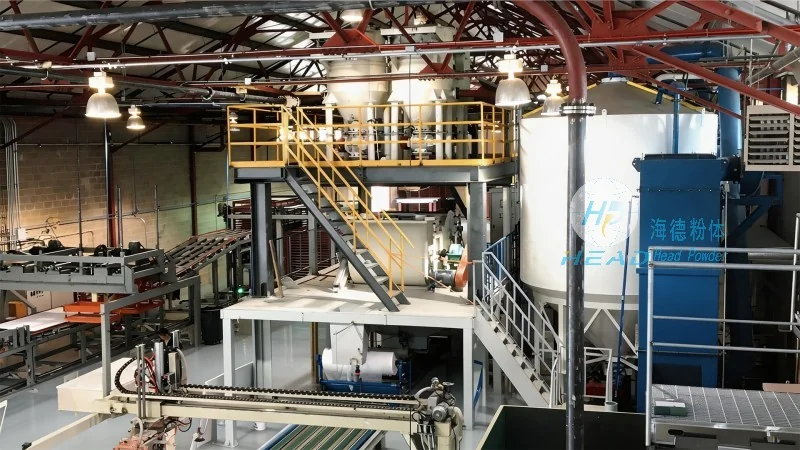
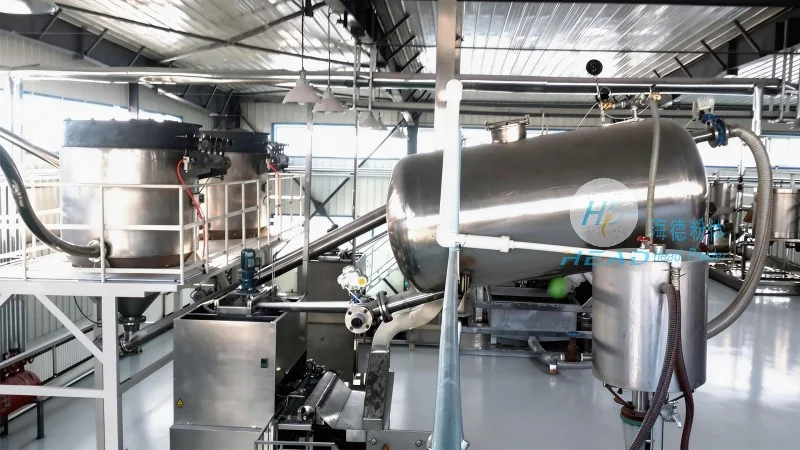
Principle of Pneumatic Conveying Systems for Catalyst Materials
The core principle of pneumatic conveying systems involves the use of compressed air or other gases to transport bulk materials, such as catalyst powders, through a pipeline network. Unlike traditional mechanical conveying methods, which rely on mechanical components like belts or screws, pneumatic systems utilize fluid dynamics to move materials. The process typically begins with the material being introduced into a hopper or feeder, where it is then fed into a pipeline. Compressed air is introduced at one end of the pipeline, creating a pressure differential that propels the material forward. The system can operate in either dilute-phase or dense-phase modes, depending on the material characteristics and required flow rates. Dilute-phase systems use higher air velocities to keep particles suspended, while dense-phase systems employ lower velocities to maintain a more compact flow, which is often preferred for delicate or abrasive materials like catalysts. The choice of system type is critical for ensuring efficient and reliable material transport without degradation or loss of product quality.
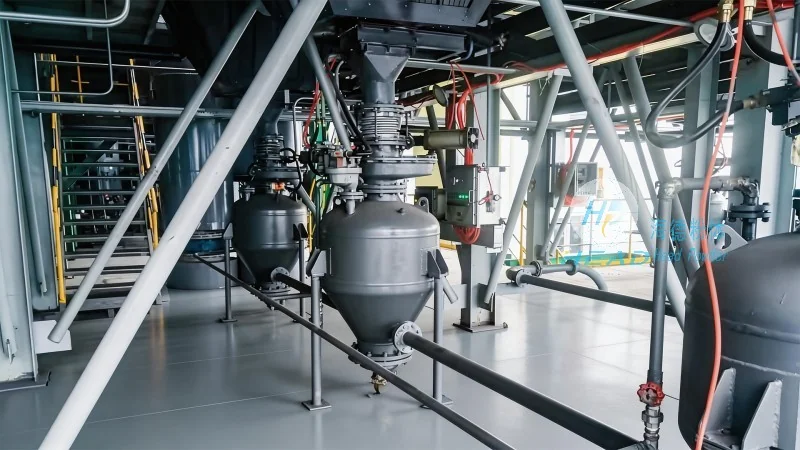
Working Scene Characteristics of Catalyst Material Pneumatic Conveying Systems
The operational environments for catalyst material pneumatic conveying systems are characterized by several key factors that influence system design and performance. First, the material properties of catalyst powders, including particle size, density, and flowability, play a significant role. Catalysts are often fine powders with high specific surface areas, making them prone to agglomeration and caking. Therefore, systems must incorporate features like vibration, air agitation, or rotary valves to maintain material flowability and prevent blockages. Second, the system must be designed to handle varying flow rates and batch sizes, as catalyst production and processing often involve intermittent or variable demand. This flexibility is achieved through adjustable air pressure, variable speed feeders, and modular pipeline configurations. Third, the need for minimal product contamination and loss is paramount in catalyst handling. Pneumatic systems are enclosed, reducing exposure to external contaminants and minimizing material spillage. Additionally, the use of clean air (often filtered and dehumidified) ensures that the catalyst remains free from moisture or other impurities that could affect its performance. Fourth, safety considerations are critical, particularly in industrial settings where combustible or hazardous materials may be involved. Systems are equipped with explosion-proof components, pressure relief valves, and monitoring systems to prevent accidents and ensure compliance with safety regulations. Finally, the integration of these systems with other processing equipment, such as reactors or reactors, requires seamless coordination. This includes precise control of material flow rates, temperature, and pressure to maintain optimal conditions in downstream processes.
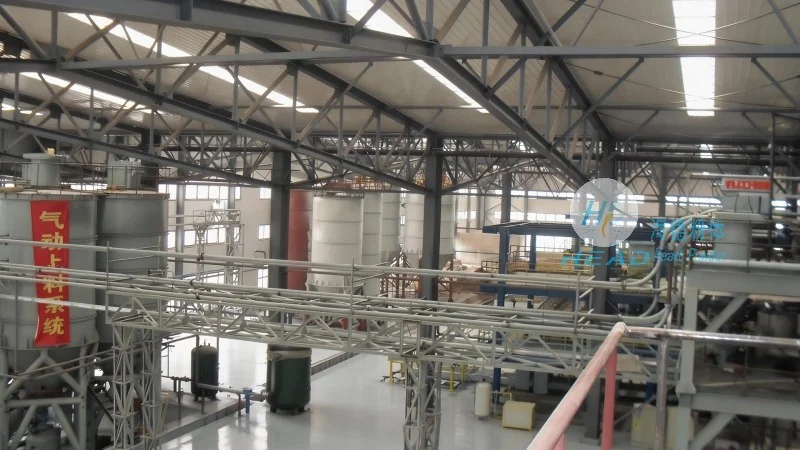
Advantages of Pneumatic Conveying Systems in Catalyst Handling
Implementing pneumatic conveying systems for catalyst materials offers numerous advantages over traditional methods. One of the most significant benefits is the ability to handle materials in a fully enclosed system, which reduces dust emissions and improves workplace safety. This is particularly important in environments where catalyst powders are known to be hazardous or cause respiratory issues. Additionally, pneumatic systems provide high efficiency in material transport, with minimal energy consumption compared to mechanical systems, especially over long distances. The flexibility of these systems allows for easy expansion or reconfiguration as production needs change, making them a cost-effective solution for evolving industrial requirements. Furthermore, the reduced need for maintenance compared to mechanical conveyors, as there are fewer moving parts, leads to lower operational costs and increased system reliability. The ability to transport materials at high speeds and with precise control over flow rates also enhances process control, ensuring consistent product quality. Finally, the integration of advanced control systems, such as PLCs and SCADA, allows for real-time monitoring and adjustment of system parameters, further optimizing performance and reducing downtime.




