For industrial applications involving gelatin, efficient material handling is crucial to ensure smooth production processes and maintain product quality. Pneumatic conveying systems offer a reliable solution for transporting gelatin materials, and understanding their operational principles and application scenarios is essential for optimizing workflow in various industries.
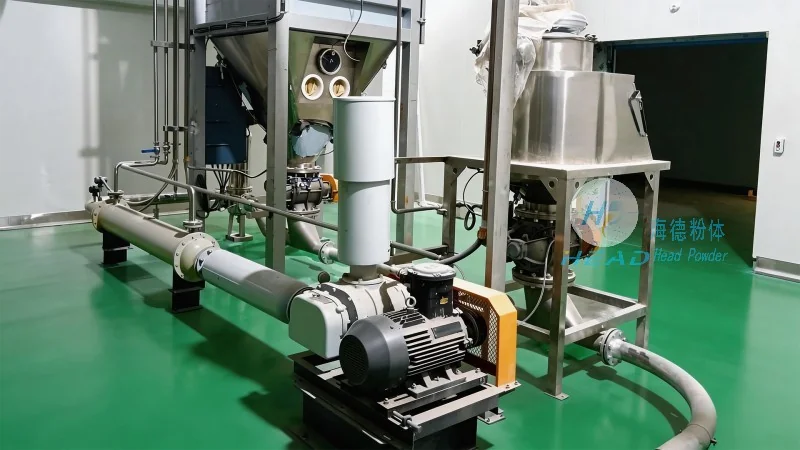
Gelatin Material Pneumatic Conveying Equipment: Core Principles
The fundamental principle of pneumatic conveying for gelatin materials involves using air or gas to transport solid particles through a pipeline. This method, known as pneumatic conveying, eliminates the need for mechanical components like belts or buckets, reducing maintenance requirements and minimizing product contamination. The system typically consists of a hopper, a blower or compressor, a pipeline network, and a discharge point. As gelatin is introduced into the hopper, the blower generates a flow of air that draws the material into the pipeline, where it is carried to the destination. The design of the conveying system, including the air velocity and pipeline diameter, is critical to achieving efficient and consistent material transport. Proper air pressure and flow rate management ensure that gelatin particles are moved without clogging or degradation, preserving the material's quality and integrity throughout the process.
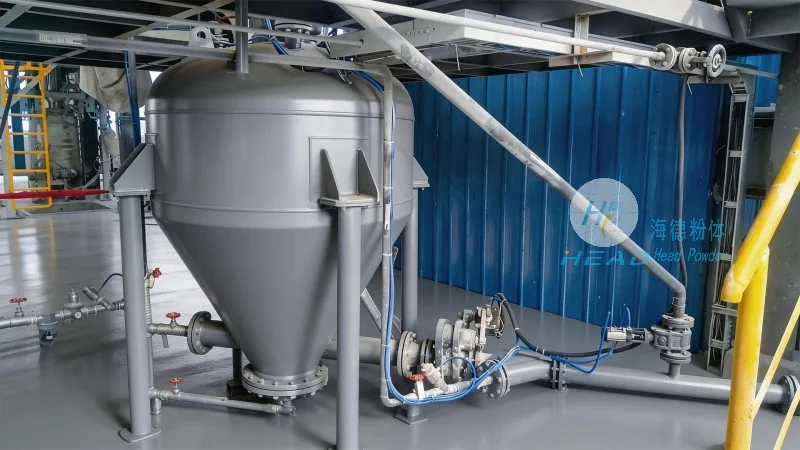
Working Scenario Characteristics of Gelatin Pneumatic Conveying Systems
The application of gelatin pneumatic conveying equipment varies across different industries, each with unique requirements that influence system design and operation. In the food and pharmaceutical sectors, where product purity is paramount, the equipment must meet stringent hygiene standards. This includes stainless steel construction, easy-to-clean components, and sealed systems to prevent cross-contamination. The working scenarios often involve transporting gelatin from storage silos to processing lines, or from production areas to packaging facilities. In these cases, the system's ability to handle fine powders without agglomeration is essential, as gelatin can clump under certain conditions, leading to blockages or uneven flow. Additionally, the equipment must be capable of handling varying material densities and moisture levels, which can affect the conveying efficiency. For example, in the production of gelatin-based products like gummy candies or capsules, the conveying system must maintain consistent particle size and flow rate to ensure uniform product quality. The working scenarios may also involve multi-stage conveying, where the material is transported over long distances or through complex layouts, requiring advanced control systems to manage air pressure and flow dynamically.
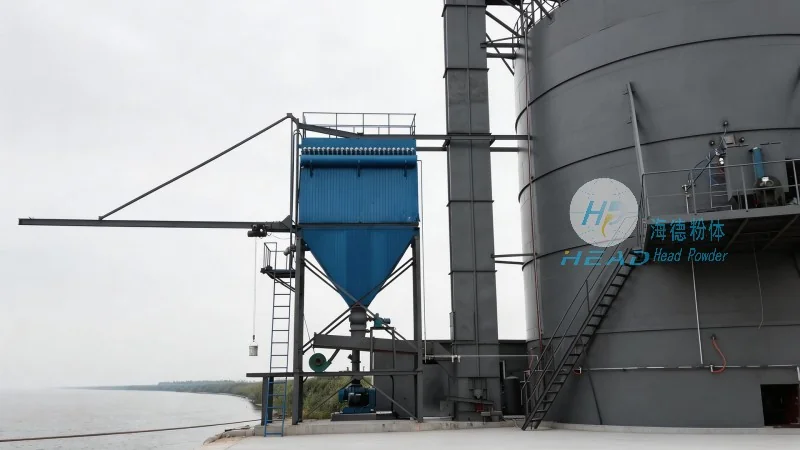
Company Overview: Shandong HeadPowder Engineering Co., Ltd.
Shandong HeadPowder Engineering Co., Ltd., operating under the brand name headpowder, specializes in the design, manufacturing, and installation of pneumatic conveying systems tailored to the needs of the gelatin industry. With a focus on innovation and quality, the company has developed advanced solutions that address the specific challenges of handling gelatin materials. The company's facilities are located in Shandong, China, where it leverages local expertise and resources to deliver high-performance equipment. By combining technical expertise with customer-centric approaches, headpowder ensures that its pneumatic conveying systems are not only efficient but also reliable and cost-effective. The company's commitment to meeting industry standards and customer requirements has established it as a trusted partner in the gelatin processing sector, providing tailored solutions that enhance operational efficiency and product quality.




