This article provides an overview of the principle and working characteristics of pneumatic conveying equipment designed for handling dry desulfurizer materials. The equipment is essential in industrial applications where efficient and safe material transport is critical. We will explore the underlying technology, operational scenarios, and key features that make this equipment suitable for various industrial environments.
Principle of Pneumatic Conveying for Dry Desulfurizer Materials
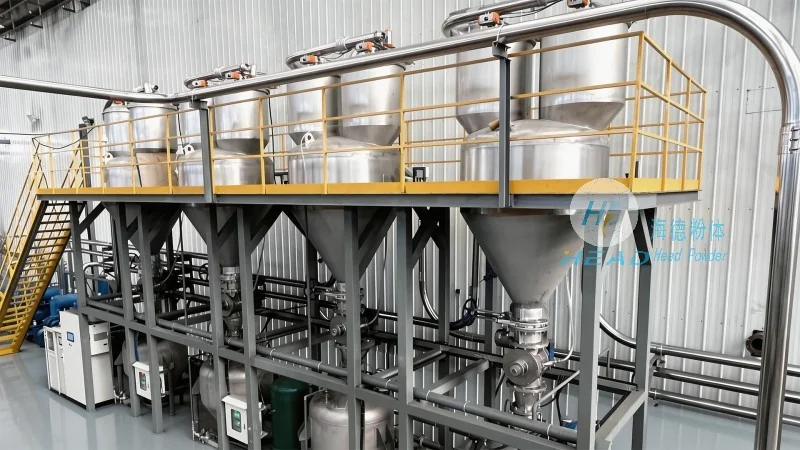
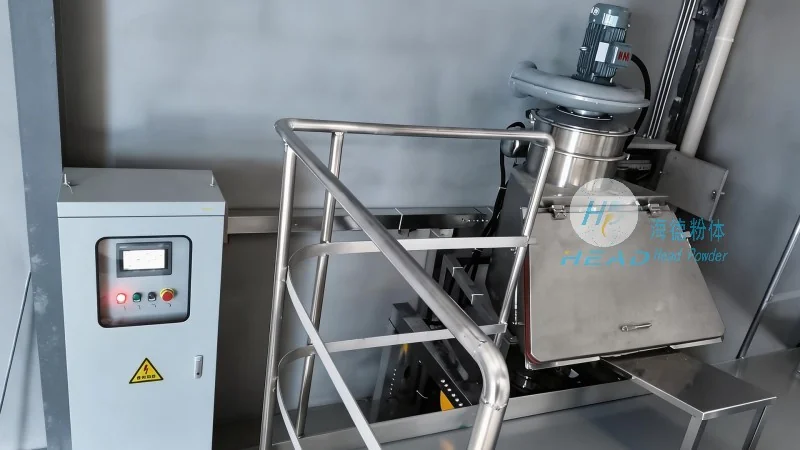
The core principle of pneumatic conveying equipment involves the use of air or gas to transport dry desulfurizer materials through a pipeline system. This method, known as pneumatic conveying, utilizes the kinetic energy of the moving air to move the solid particles. The process typically involves a feeding mechanism that introduces the desulfurizer material into the conveying line, where it is then entrained by the high-velocity air stream. The equipment operates by creating a pressure differential between the inlet and outlet of the pipeline, ensuring the material is transported efficiently without the need for mechanical components like belts or buckets. The design of the conveying system, including the choice of air velocity, pipeline diameter, and material properties, is crucial for optimizing the conveying efficiency and minimizing material degradation or blockages.
Working Scene Characteristics of the Equipment
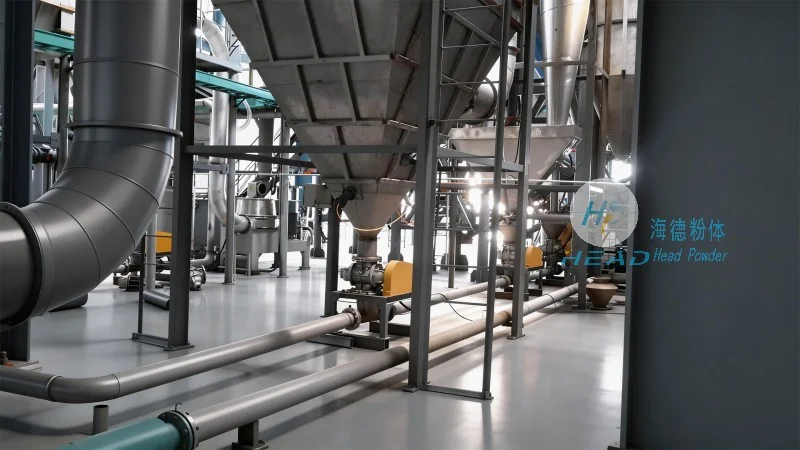
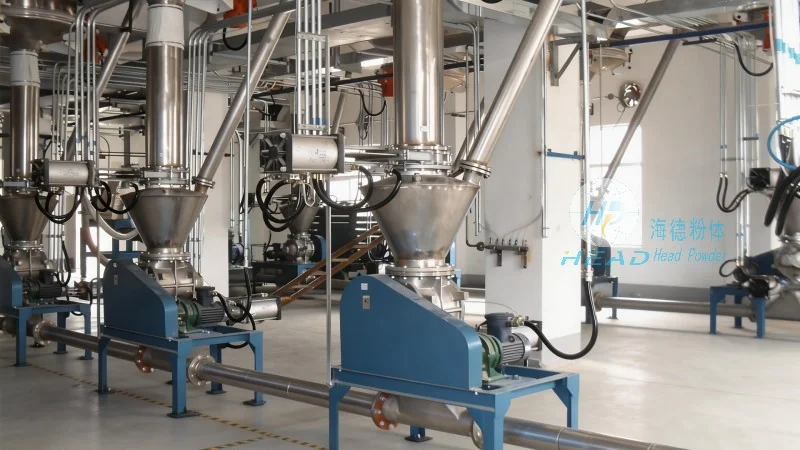
The pneumatic conveying equipment for dry desulfurizer materials is widely used in industrial settings such as power plants, chemical processing facilities, and waste treatment plants. These applications require reliable and continuous material transport, often over long distances or in challenging environments. The equipment's working scene characteristics include high material throughput, low maintenance requirements, and the ability to handle abrasive or corrosive materials without significant wear. In power plants, for example, the equipment is used to transport limestone or other desulfurizer agents from storage silos to the flue gas desulfurization (FGD) system. The system operates under varying pressure conditions, ensuring consistent material delivery to the reaction tower. In chemical processing plants, the equipment may be used to convey desulfurizer powders to reactors or storage tanks, where precise dosing is essential for process control. The equipment's flexibility in handling different material types and its ability to integrate with existing industrial systems make it a preferred choice in these working scenarios.
About Shandong HeadPowder Engineering Co., Ltd.
Shandong HeadPowder Engineering Co., Ltd., commonly known as headpowder, is a leading manufacturer specializing in industrial material handling equipment. With a focus on innovation and quality, the company has developed advanced pneumatic conveying solutions tailored to the needs of various industries. Headpowder's expertise lies in designing equipment that meets the stringent requirements of material transport, ensuring safety, efficiency, and reliability. The company's products are engineered to handle a wide range of materials, including dry desulfurizer powders, and are compliant with industry standards and regulations. Headpowder's commitment to customer satisfaction and technical excellence has established it as a trusted partner in the material handling sector. The company's facilities are located in Shandong, China, where it continues to advance its technology and expand its product offerings to meet the evolving demands of the industrial market.




