Gelatin material handling often requires efficient and reliable transport solutions to maintain product quality and operational efficiency. Pneumatic conveying lines, as a key technology in material handling, offer a solution that combines simplicity with effectiveness. This article explores the fundamental principles behind gelatin material pneumatic conveying systems and highlights the specific characteristics of working scenes where such systems are commonly applied.
Principle of Pneumatic Conveying for Gelatin Materials
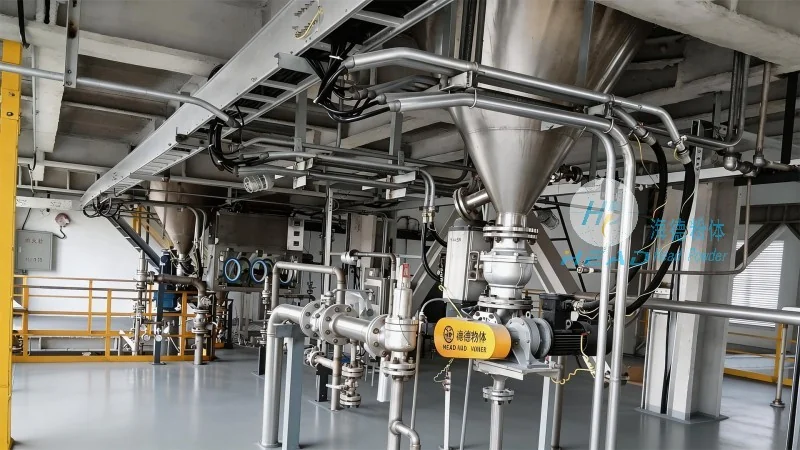
The core principle of pneumatic conveying involves transporting bulk materials through a pipeline using a stream of air or other gas. In the case of gelatin materials, which are typically fine powders or granules, the system operates by creating a pressure differential or using suction to move the material from the source to the destination. The process can be categorized into two main types: pressure and vacuum systems. Pressure systems use compressed air to push the material through the pipeline, while vacuum systems utilize a vacuum to draw the material from the source. For gelatin, which is sensitive to moisture and temperature changes, the choice of system and the design of the pipeline are critical to preserving product integrity. The system typically includes components such as a hopper for material storage, a conveyor line with appropriate tubing, a control valve to regulate flow, and a receiver or destination vessel. The air flow rate and pressure are carefully controlled to ensure the material is conveyed without degradation, clogging, or excessive wear on the equipment. The design of the conveying line, including the diameter of the tubing, the angle of the pipeline, and the use of bends or elbows, all play a role in maintaining the flow of gelatin particles. Proper maintenance of the system, such as regular cleaning and inspection of the tubing and valves, is essential to prevent blockages and ensure consistent performance.
Working Scene Characteristics of Gelatin Material Pneumatic Conveying Lines
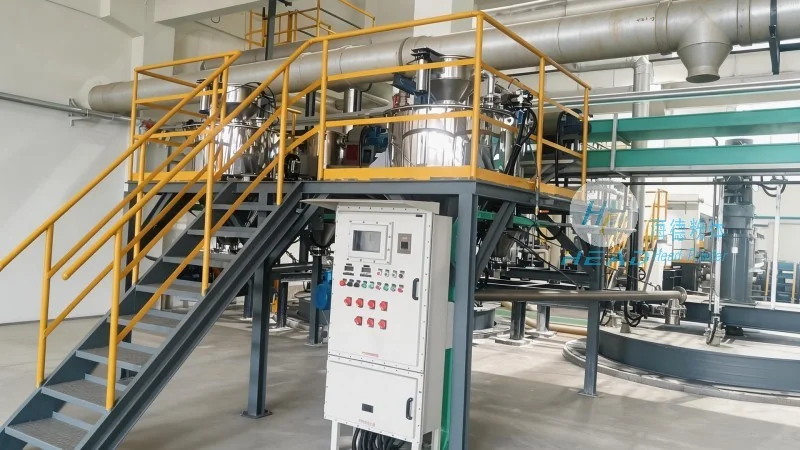
The application of gelatin material pneumatic conveying lines varies across different industries and production environments. One common working scene is in the food and pharmaceutical industries, where gelatin is used as an ingredient in products like gummy candies, capsules, and dietary supplements. In these settings, the system must meet strict hygiene and quality standards. The conveying line is often designed with stainless steel components to prevent contamination and ensure easy cleaning. The system operates in a controlled environment, with temperature and humidity levels monitored to prevent the gelatin from clumping or absorbing moisture from the air. The working scene may involve multiple stages of processing, such as receiving raw gelatin from a supplier, storing it in a hopper, conveying it to a mixing or blending unit, and then transporting it to packaging equipment. The pneumatic conveying line in this scenario is integrated with other processing equipment, ensuring a seamless flow of materials from one stage to the next. Another working scene is in the chemical and industrial sectors, where gelatin is used as a binding agent or in the production of certain coatings. Here, the system may need to handle larger quantities of material and operate under different environmental conditions. The pipeline may be longer and more complex, with additional components like cyclones or filters to separate the gelatin from the air stream. The working scene may also involve the use of specialized equipment to handle the gelatin's unique properties, such as its tendency to stick to surfaces or its sensitivity to air flow. The characteristics of the working scene, including the scale of production, the type of gelatin being handled, and the specific processing requirements, all influence the design and operation of the pneumatic conveying line. For example, in a small-scale production facility, a simple pressure system with a short pipeline may be sufficient, while in a large-scale industrial plant, a more complex system with multiple stages and advanced controls may be required. The working scene also considers the need for flexibility, as production needs may change over time, requiring the system to be adaptable to different material types or processing steps. Overall, the working scene characteristics of gelatin material pneumatic conveying lines are shaped by the specific requirements of the application, ensuring that the system is optimized for efficiency, reliability, and product quality.
Key Factors Influencing the Performance of Gelatin Pneumatic Conveying Systems
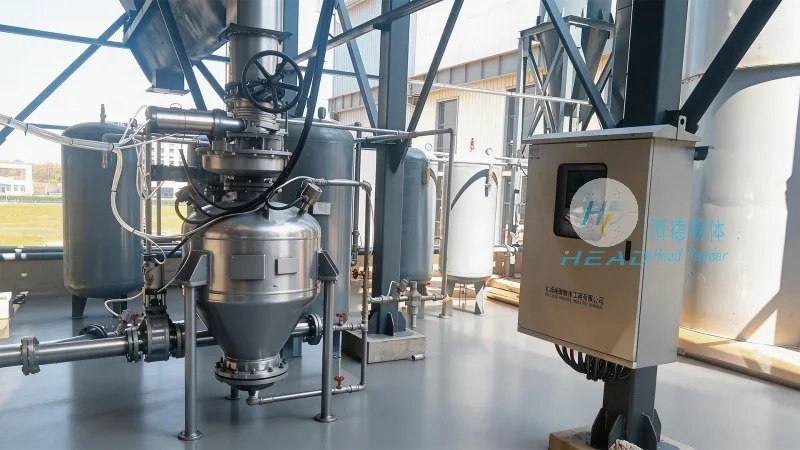
Several key factors contribute to the effective operation of gelatin material pneumatic conveying systems. The first is the particle size and density of the gelatin, as these properties affect how the material behaves in the air stream. Fine gelatin powders require higher air velocities to maintain suspension, while larger granules may need lower velocities to prevent clogging. The system design must account for these variations to ensure consistent flow. The second factor is the moisture content of the gelatin, as high moisture levels can lead to clumping and reduced conveying efficiency. The system may include drying or conditioning steps to adjust the moisture content before conveying. The third factor is the temperature of the material and the air, as temperature changes can affect the gelatin's properties and the system's performance. Maintaining a stable temperature is crucial to prevent degradation or changes in the material's characteristics. The fourth factor is the system's pressure and air flow rate, which must be carefully controlled to achieve the desired conveying rate without causing excessive energy consumption or equipment wear. The fifth factor is the material of construction, as the conveying line and components must be resistant to the gelatin's properties, such as its tendency to stick or degrade over time. Stainless steel is commonly used for its corrosion resistance and ease of cleaning. The sixth factor is the system's maintenance and operational procedures, as regular cleaning and inspection are necessary to prevent blockages and ensure long-term performance. The seventh factor is the integration with other processing equipment, as the conveying line must work seamlessly with the rest of the production line to avoid bottlenecks or delays. These factors, when considered and optimized, ensure that the gelatin material pneumatic conveying system operates efficiently and reliably, meeting the specific needs of the application.




