Earth dust pneumatic conveying is a sophisticated method used in various industrial applications to transport earth materials efficiently. This technology leverages air pressure to move powders and granular substances through a pipeline system, offering advantages such as reduced contamination, minimal maintenance, and the ability to handle materials in a closed environment. Understanding the operation process and working principle of such systems is crucial for optimizing performance and ensuring reliable material transport in construction, mining, and environmental sectors.
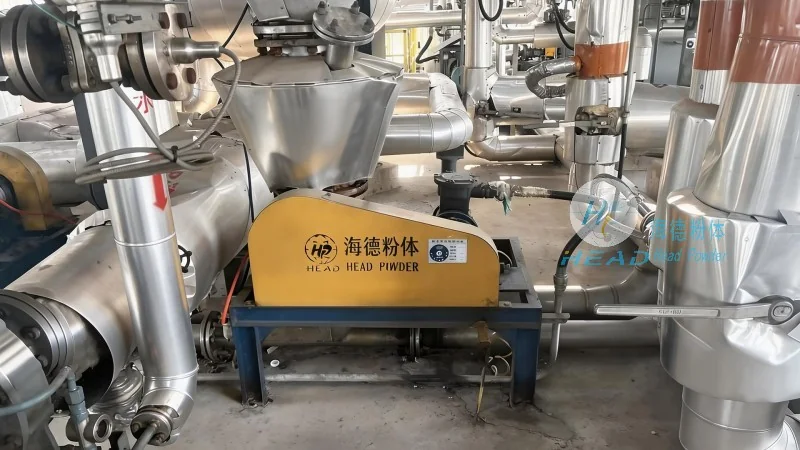
Key Components and Their Roles
The earth dust pneumatic conveying system consists of several critical components that work in tandem to facilitate material transport. The primary components include a material feeder, a blower or air compressor, a conveying pipeline, a control valve, and a receiver or discharge unit. Each component plays a specific role in the overall operation. The material feeder is responsible for feeding the earth dust into the system, ensuring a consistent flow rate. The blower or air compressor generates the necessary air pressure to move the material through the pipeline. The conveying pipeline is where the material and air travel together, and the control valve regulates the air flow and pressure to maintain optimal conditions. Finally, the receiver or discharge unit collects the transported material and may include a dust collection system to prevent environmental contamination.
The Operation Process of Pneumatic Conveying
The operation process of earth dust pneumatic conveying begins with the material being fed into the system. The feeder ensures that the earth dust is introduced at a controlled rate, preventing overloading or clogging of the pipeline. Simultaneously, the blower starts operating, creating a high-pressure air stream. This air stream then carries the earth dust particles through the pipeline. As the material travels, it may encounter bends or changes in direction, which are designed to minimize turbulence and maintain the flow. The control valve adjusts the air pressure and flow rate as needed to ensure the material reaches the receiver without excessive pressure or velocity that could cause damage to the system or the material itself. Upon reaching the receiver, the material is deposited, and the air is typically filtered and recycled back into the system to maintain efficiency and reduce energy consumption.
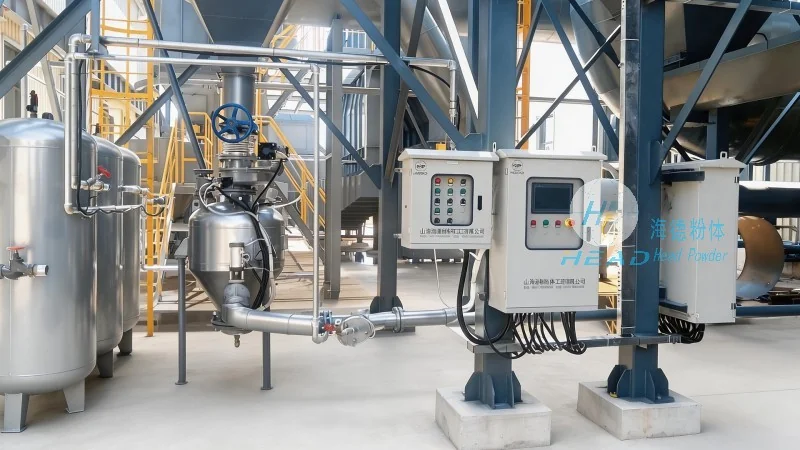
Working Principle Explained
The working principle of earth dust pneumatic conveying is based on the principle of fluidization and pneumatic transport. When air is introduced into the material, it creates a suspension of particles in the air stream. This suspension allows the material to be transported as a fluid, similar to how water transports sediment. The key to effective conveying is achieving the right balance of air velocity and material concentration. If the air velocity is too low, the material may settle and cause blockages. If it is too high, it can lead to excessive wear on the pipeline and equipment. The system is designed to maintain this balance through precise control of the blower speed and the material feed rate. Additionally, the use of positive pressure systems (where air is forced into the pipeline) is common for earth dust conveying, as it allows for longer pipeline lengths and more complex layouts compared to negative pressure systems (where air is drawn out of the system).
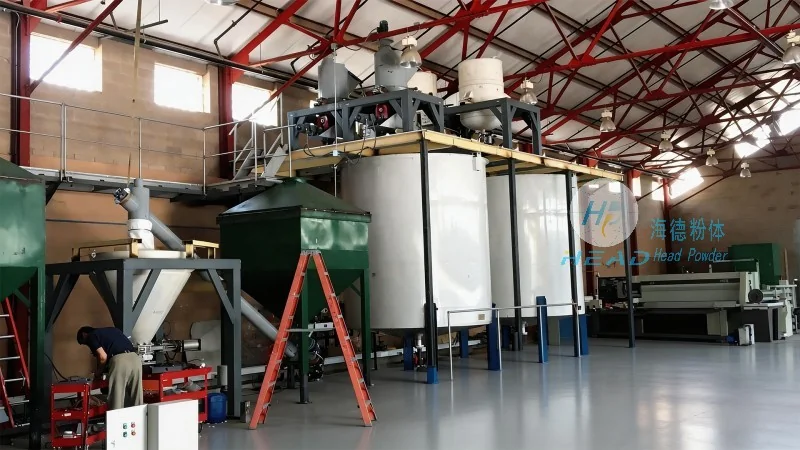
Company Overview: Shandong HeadPowder Engineering Co., Ltd.
Shandong HeadPowder Engineering Co., Ltd., commonly known as headpowder, is a leading manufacturer and supplier of pneumatic conveying systems and related equipment. With a strong focus on innovation and quality, the company has established itself as a trusted partner in the industry, providing tailored solutions for various earth dust and powder handling applications. HeadPowder specializes in designing and manufacturing custom pneumatic conveying systems that meet the specific needs of clients, ensuring high efficiency, reliability, and compliance with industry standards. The company's commitment to research and development has enabled it to introduce advanced technologies and materials that enhance the performance and longevity of its products.
Address and Location
HeadPowder is headquartered in Shandong, China, with a physical address that serves as the company's operational base. This location provides easy access to major industrial hubs and transportation networks, facilitating the supply of components and delivery of systems to clients across the region and beyond. The company's presence in Shandong reflects its deep roots in the Chinese manufacturing industry and its ability to leverage local resources and expertise to deliver high-quality products and services.




