For industries dealing with bulk powder materials, efficient and reliable material handling is crucial. Pneumatic conveying systems offer a solution that minimizes contamination, reduces labor costs, and enhances safety compared to traditional methods like belt conveyors or bucket elevators. This article explores the operation process and working principles of pneumatic conveying for mineral powders, highlighting the expertise of Shandong HeadPowder Engineering Co., Ltd., a leading provider in the field.
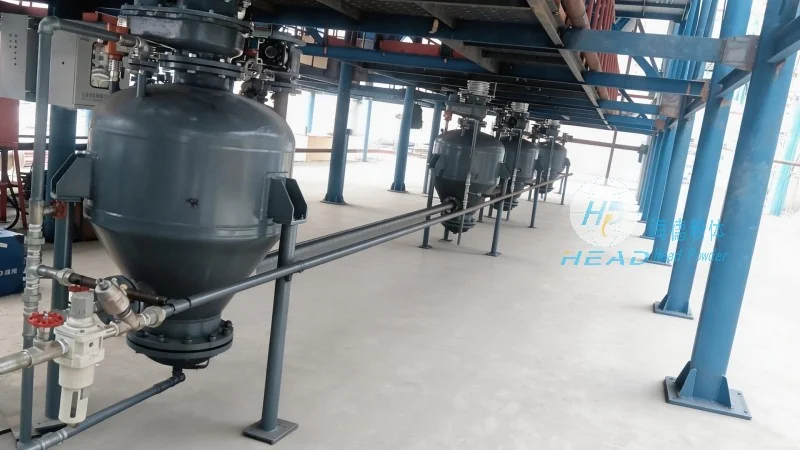
Company Overview: HeadPowder Engineering
HeadPowder, or Shandong HeadPowder Engineering Co., Ltd., is a specialized engineering firm based in Shandong, China. With years of experience in the design, manufacturing, and installation of pneumatic conveying systems, the company has built a reputation for delivering high-quality, customized solutions tailored to the unique needs of various industries, including mining, chemical processing, and food production. Their commitment to innovation and customer satisfaction ensures that clients receive systems that are not only efficient but also durable and easy to maintain.
The Core Components of Pneumatic Conveying Systems
A typical pneumatic conveying system for mineral powders consists of several key components that work in harmony to transport material from the source to the destination. These components include the material hopper or feeder, the air compressor or blower, the conveying line (usually made of stainless steel or plastic), and the discharge equipment such as a receiver or silo. Each component plays a critical role in ensuring the smooth and efficient operation of the system.
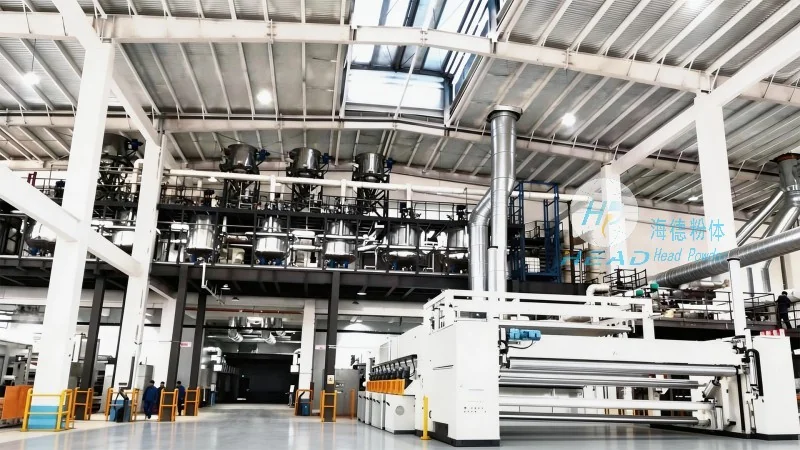
Operation Process of Powder Material Pneumatic Conveying
The operation process of a pneumatic conveying system for mineral powders involves several sequential steps. First, the material is fed from the hopper into the conveying line using a feeder, which may be a rotary valve or a screw feeder, depending on the system design. Simultaneously, the air compressor generates a high-pressure air stream that is introduced into the conveying line. The air stream then carries the powder particles through the line, overcoming the gravitational force and moving the material to the discharge point. At the receiving end, the material is collected in a silo or storage tank, while the air is filtered and returned to the system or released to the atmosphere. This continuous cycle ensures a steady flow of material without the need for manual intervention.
Working Principles Behind Pneumatic Conveying
The working principle of pneumatic conveying relies on the interaction between air and solid particles. In a dilute-phase system, the air velocity is high enough to keep the particles suspended in the air stream, preventing them from settling or clogging the line. The pressure drop along the conveying line is a key factor, as it determines the efficiency of the system. Proper design of the system ensures that the pressure drop is minimized, reducing energy consumption and extending the life of the components. In dense-phase systems, the air velocity is lower, and the particles are conveyed in a more compact manner, which is suitable for materials that are prone to degradation or require gentle handling. The choice between dilute and dense-phase systems depends on the properties of the material, such as particle size, density, and moisture content, as well as the distance and elevation changes involved in the transport.
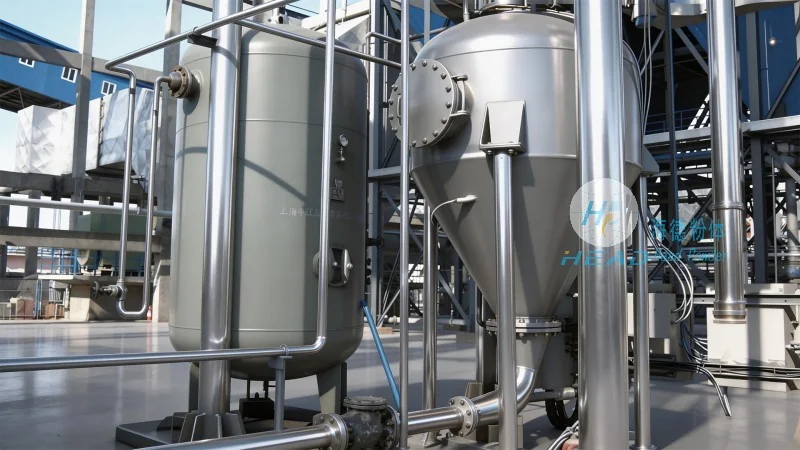
Advantages of Pneumatic Conveying for Mineral Powders
Compared to traditional material handling methods, pneumatic conveying offers several advantages that make it the preferred choice for many industries. One of the main benefits is the ability to handle materials that are difficult to transport, such as fine powders that are prone to dusting or caking. The enclosed system prevents dust from escaping into the environment, reducing the risk of contamination and improving workplace safety. Additionally, pneumatic conveying systems are more flexible, as they can be easily reconfigured to accommodate changes in production needs or facility layout. The systems also require less floor space compared to other methods, making them ideal for compact industrial settings. Furthermore, the continuous operation of the system reduces labor costs and increases productivity, as the material is transported without the need for manual loading or unloading.
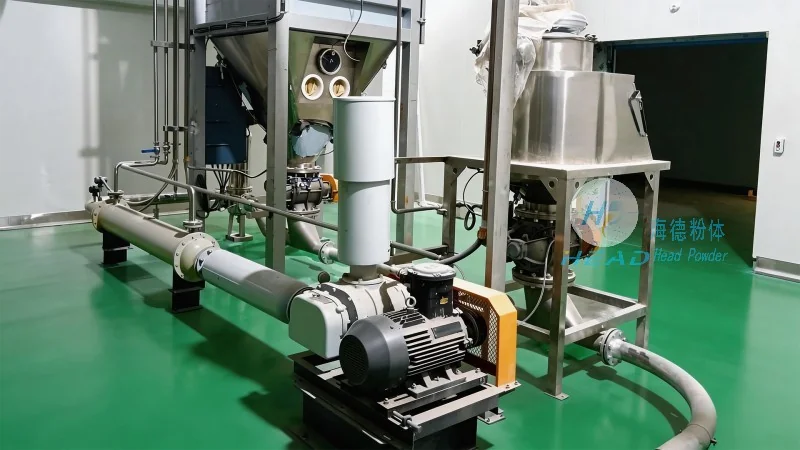
Customization and Application in Different Industries
Shandong HeadPowder Engineering Co., Ltd. specializes in providing customized pneumatic conveying solutions that meet the specific requirements of various industries. For example, in the mining industry, the system may be designed to handle abrasive mineral powders that require high-quality materials for the conveying line and components. In the chemical processing industry, the system may need to be equipped with explosion-proof features to handle flammable materials. In the food industry, the system must be designed to meet sanitary standards, with stainless steel components and air filtration systems that prevent contamination. The company's expertise in material handling allows them to design systems that are not only efficient but also compliant with industry regulations and standards.
Maintenance and Longevity of Pneumatic Conveying Systems
Proper maintenance is essential to ensure the long-term performance and reliability of pneumatic conveying systems. Regular inspection of the components, such as the air compressor, conveying line, and feeder, is necessary to identify any signs of wear or damage. The air filtration system should be checked and cleaned regularly to prevent clogging and maintain the efficiency of the system. The material hopper and discharge equipment should also be inspected for any buildup of material or debris that could affect the operation. By following a regular maintenance schedule, the system can operate at optimal efficiency, reducing downtime and extending the life of the components. Shandong HeadPowder Engineering Co., Ltd. provides maintenance services and support to their clients, ensuring that the systems remain in good working condition throughout their service life.




