HeadPowder, a leading manufacturer in the field of pneumatic conveying systems, specializes in providing efficient and reliable solutions for the transportation of paper sheets. Based in Shandong, China, the company has established itself as a trusted partner for industries requiring advanced material handling technologies. This article delves into the operation process and working principle of paper sheet pneumatic conveying, highlighting the key components, operational steps, and the technical advantages that make such systems ideal for various industrial applications.
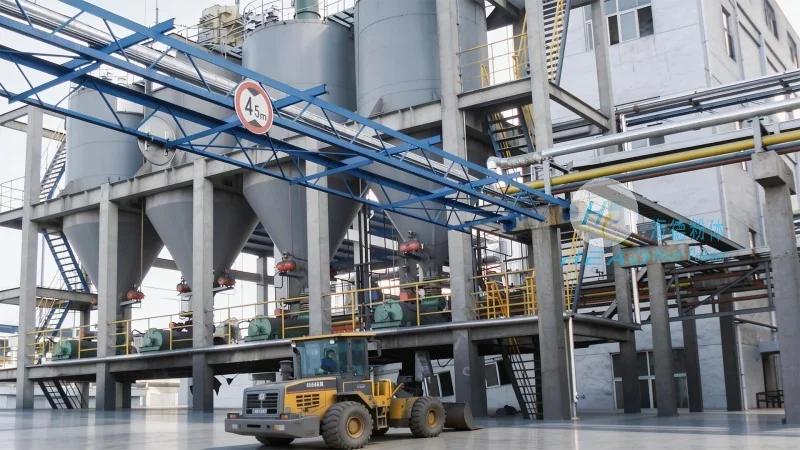
Introduction to Pneumatic Conveying Systems
Pneumatic conveying, also known as pneumatic transport, is a method of transporting bulk materials through a pipeline using air or other gases as the conveying medium. This technology is widely used in industries such as paper manufacturing, food processing, and chemical production due to its ability to handle delicate materials like paper sheets without causing damage or contamination. The core of a pneumatic conveying system lies in its ability to create a flow of air that propels the material through the system, ensuring efficient and controlled movement from the source to the destination.
Key Components of a Paper Sheet Pneumatic Conveying System
A typical paper sheet pneumatic conveying system consists of several essential components that work in tandem to achieve effective material transport. These components include a feeding device, a conveying line, a separation unit, and a discharge mechanism. The feeding device, often a hopper or a rotary valve, is responsible for introducing the paper sheets into the system in a controlled manner. The conveying line, usually made of stainless steel or other corrosion-resistant materials, is where the air and material travel together. The separation unit, such as a cyclone or a filter, is crucial for separating the conveyed material from the air stream, ensuring that the paper sheets are collected without any residual air or contaminants. Finally, the discharge mechanism, which may include a rotary valve or a conveyor, delivers the paper sheets to the desired location.
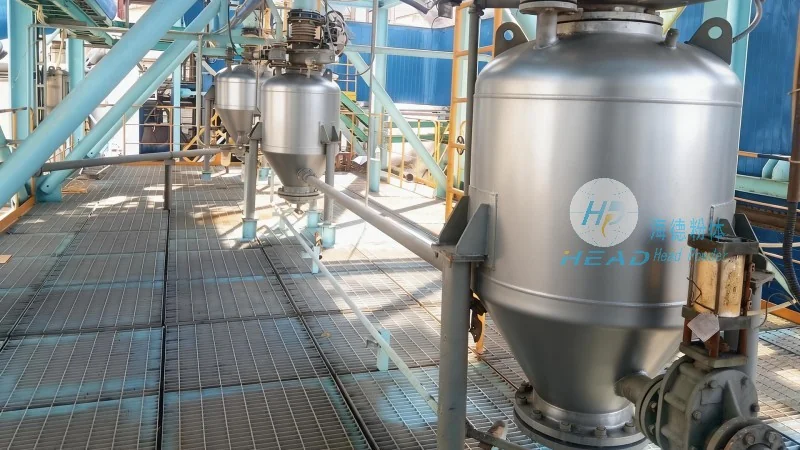
Working Principle of Paper Sheet Pneumatic Conveying
The working principle of a paper sheet pneumatic conveying system is based on the principle of fluidization and drag flow. In this system, a fan or a blower generates a high-pressure air stream that is introduced into the conveying line. As the air flows through the line, it creates a negative pressure or a positive pressure (depending on the system design) that pulls the paper sheets into the pipeline. The air velocity is carefully controlled to ensure that the paper sheets are carried along without being damaged or deformed. The separation unit then uses centrifugal force to separate the paper sheets from the air, allowing the clean air to be recirculated or vented, while the paper sheets are collected in a hopper or a storage bin.
Operation Process of Paper Sheet Pneumatic Conveying
The operation process of a paper sheet pneumatic conveying system involves several sequential steps that ensure smooth and efficient material transport. The first step is the preparation of the system, which includes checking the air pressure, ensuring the conveying line is clear of any obstructions, and verifying the proper functioning of all components. Once the system is ready, the feeding device is activated, and the paper sheets are introduced into the system at a controlled rate. The fan or blower then starts, generating the necessary air flow to convey the material. As the paper sheets travel through the conveying line, they are carried by the air stream and directed towards the separation unit. The separation unit then separates the paper sheets from the air, and the collected material is discharged into the storage bin. The system continues to operate until the required amount of paper sheets has been transported, at which point the feeding device and the fan are shut down, and the system is prepared for the next batch.
Advantages of Paper Sheet Pneumatic Conveying Systems
Pneumatic conveying systems for paper sheets offer several advantages over traditional mechanical conveying methods. One of the key advantages is the ability to handle delicate materials without causing damage or contamination. The air flow in the system is gentle and controlled, ensuring that the paper sheets are transported without being torn or crushed. Another advantage is the flexibility of the system, which can be easily adjusted to handle different types and sizes of paper sheets. The system can also be designed to operate in a closed loop, reducing the risk of dust emissions and improving safety in the workplace. Additionally, pneumatic conveying systems are relatively low maintenance, as they have fewer moving parts compared to mechanical systems, and they can be easily integrated into existing production lines.
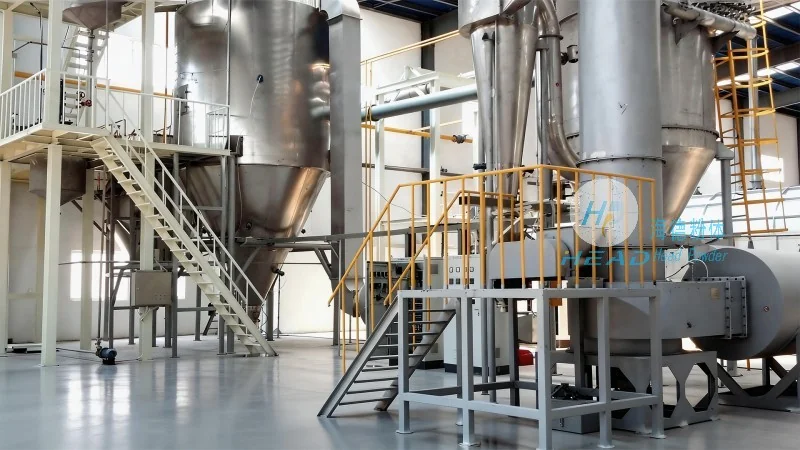
Applications of Paper Sheet Pneumatic Conveying
Paper sheet pneumatic conveying systems are widely used in various industrial applications, particularly in the paper manufacturing industry. These systems are used to transport paper sheets from the production line to storage areas, or from storage to the printing and finishing processes. They are also used in the recycling industry to transport recycled paper sheets from collection points to processing facilities. The systems are suitable for both new and recycled paper, and they can handle a wide range of paper types, including newsprint, cardboard, and specialty papers.
Conclusion
In conclusion, paper sheet pneumatic conveying systems are an efficient and reliable method for transporting paper sheets in industrial applications. The systems are designed to handle delicate materials without causing damage or contamination, and they offer several advantages over traditional mechanical conveying methods. With proper design and operation, these systems can significantly improve the efficiency and productivity of paper manufacturing and recycling processes. HeadPowder, as a leading manufacturer in this field, continues to provide high-quality pneumatic conveying solutions that meet the needs of various industries, ensuring that paper sheets are transported safely and effectively.




