For industrial applications, the efficient and reliable transportation of anode materials is crucial for maintaining production line stability and operational efficiency. This article provides a detailed overview of the operation process and working principle of pneumatic conveying systems designed for anode materials, presented by Shandong HeadPowder Engineering Co., Ltd., a leading provider in the field.
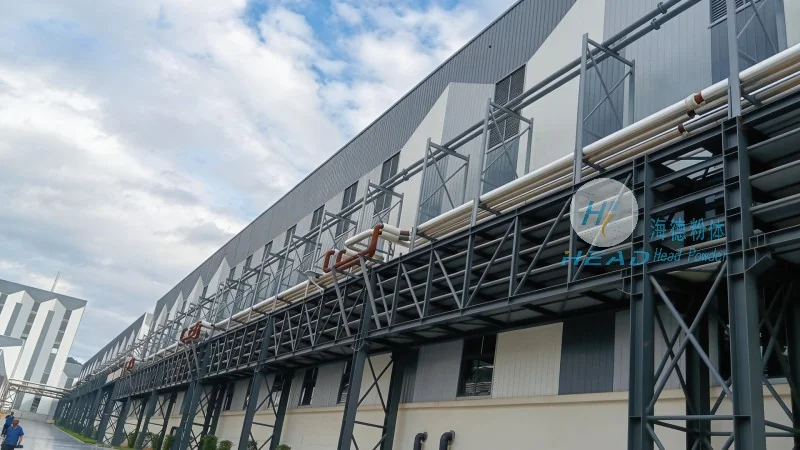
An Overview of Pneumatic Conveying Systems for Anode Materials
Pneumatic conveying, also known as air conveying, is a method used to transport bulk materials through a pipeline using compressed air. In the context of anode materials, which are typically used in lithium-ion batteries and other energy storage technologies, this technology offers several advantages over traditional mechanical conveying methods. The primary benefits include reduced contamination risk, lower maintenance requirements, and the ability to handle materials in a closed system, minimizing dust exposure and environmental impact.
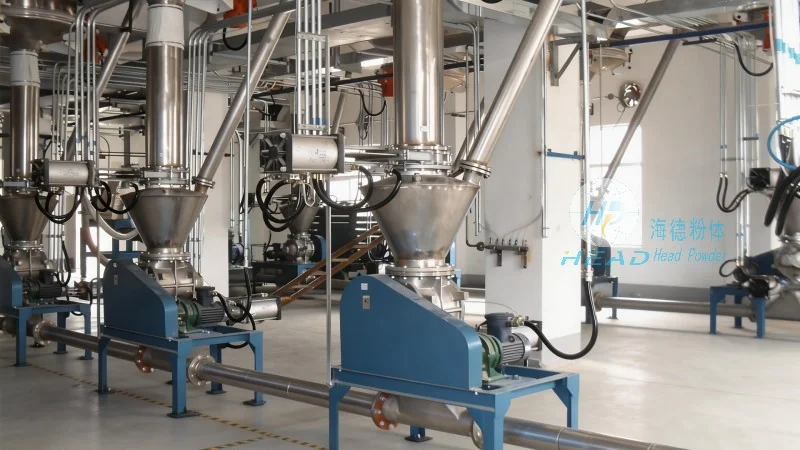
The Core Components and Working Principle
The pneumatic conveying system for anode materials consists of several key components that work in concert to achieve material transport. These components include a material hopper or feeder, a rotary valve or feeder to control material flow, a conveying pipeline, a compressor or blower to generate the necessary air pressure, and a receiver or discharge hopper at the destination. The process begins when anode material is fed into the system from the hopper. The rotary valve then regulates the flow of material into the pipeline, ensuring a consistent feed rate. Simultaneously, the compressor generates compressed air, which is introduced into the pipeline at a specific pressure and flow rate. As the air and material mixture travels through the pipeline, the air velocity is maintained above the material's terminal velocity, preventing material settling and ensuring smooth transport. At the receiving end, the air is typically separated from the material using a cyclone separator or other air-liquid separation equipment, and the material is collected in the receiver hopper.
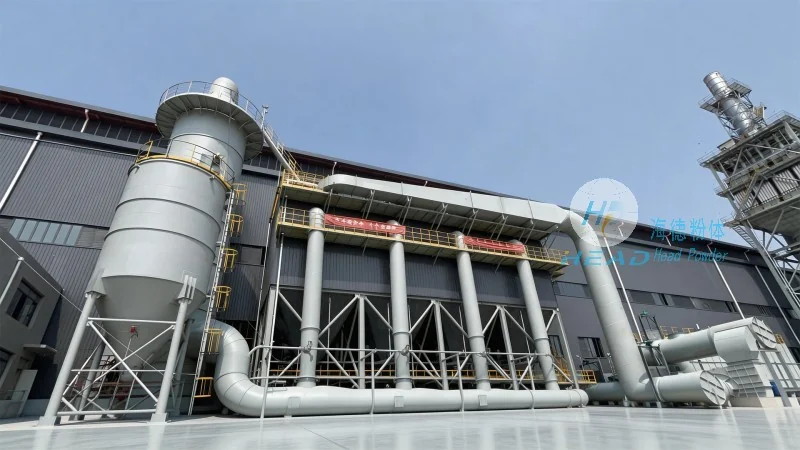
The Operation Process: Step-by-Step Breakdown
The operation of a pneumatic conveying system for anode materials involves a series of precise steps that ensure efficient and safe material transport. The process starts with material loading into the hopper, where the anode material is stored before being fed into the system. The rotary valve acts as a gate, controlling the amount of material that enters the pipeline at any given time. The compressor then activates, providing the necessary air pressure to move the material through the pipeline. As the material travels, it is carried by the air stream, and the system maintains the air velocity to prevent clogging or material deposition. Upon reaching the destination, the air is separated from the material, and the material is discharged into the receiver hopper. The system may also include a pressure relief valve and a filter to ensure the air quality and system safety. Throughout the operation, the system is monitored for pressure, flow rate, and material level to ensure optimal performance and prevent any potential issues.
Key Advantages and Applications
Shandong HeadPowder Engineering Co., Ltd. specializes in designing and manufacturing pneumatic conveying systems tailored to the specific needs of anode material handling. The company's systems are engineered to handle various types of anode materials, including graphite, silicon, and other conductive powders used in battery manufacturing. The advantages of using pneumatic conveying for anode materials include: 1) Reduced Contamination: The closed system minimizes exposure to external contaminants, ensuring the purity of the anode material, which is critical for battery performance. 2) Efficient Material Handling: The system can handle large volumes of material with minimal labor, improving production throughput. 3) Space Efficiency: The pipeline design allows for flexible layout options, making it suitable for facilities with limited space. 4) Environmental Compliance: The enclosed system reduces dust emissions, helping companies meet environmental regulations and maintain a clean working environment.
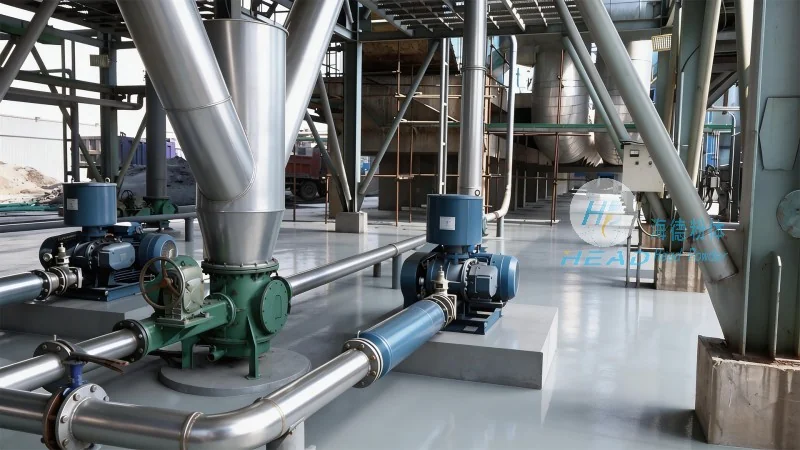
Conclusion
Understanding the operation process and working principle of pneumatic conveying systems for anode materials is essential for optimizing material handling in battery manufacturing facilities. Shandong HeadPowder Engineering Co., Ltd. provides comprehensive solutions that leverage the benefits of pneumatic conveying to enhance operational efficiency, product quality, and environmental sustainability. By investing in advanced pneumatic conveying technology, companies can improve their production processes and stay competitive in the rapidly evolving energy storage industry.




