Calcium carbonate powder, a widely used industrial material, often requires efficient and reliable transportation methods to move it from storage to processing or packaging areas. Pneumatic conveying systems have emerged as a preferred solution for handling such powders due to their ability to transport materials without direct contact, reducing contamination and wear. This article delves into the operation process and working principles of calcium carbonate powder pneumatic conveying, highlighting the key components, operational steps, and benefits of this technology.
Key Components of a Pneumatic Conveying System
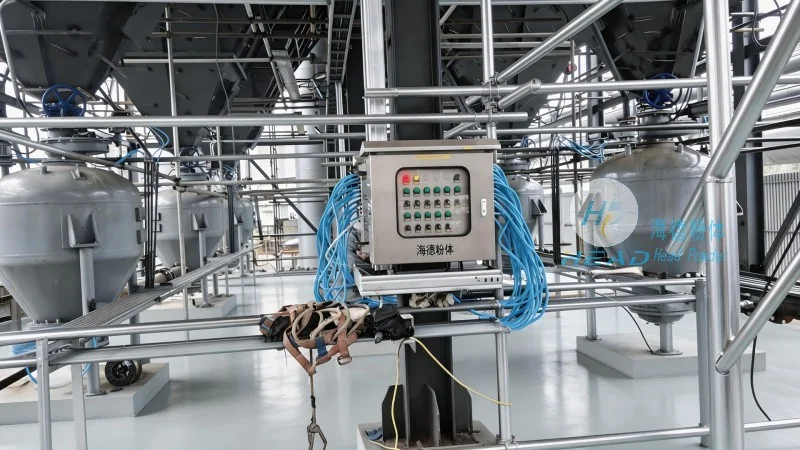
A typical pneumatic conveying system for calcium carbonate powder consists of several essential components that work in tandem to ensure smooth material transport. The primary components include a material hopper or silo for storage, a feeder to control the flow rate of the powder, a conveying line (usually made of metal or flexible tubing), a compressor or blower to generate the necessary air pressure, and a receiver or collection tank at the destination. Additionally, accessories such as filters, cyclones, and pressure relief valves may be integrated to enhance system performance and safety.
Working Principle of Pneumatic Conveying
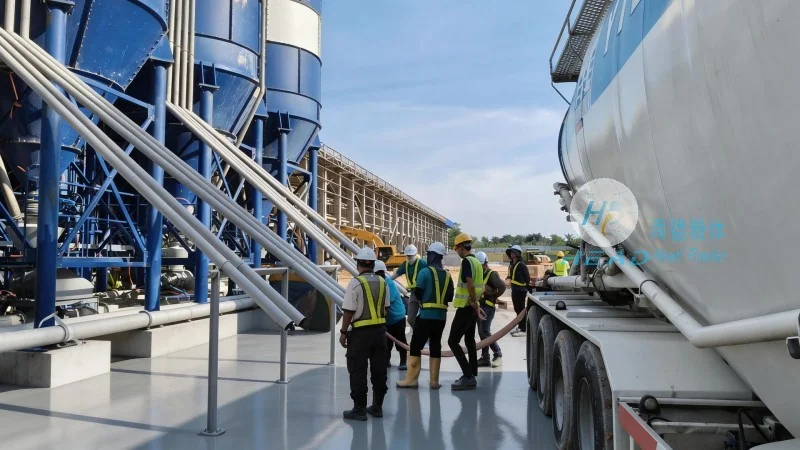
The core principle of pneumatic conveying is the use of compressed air to create a flow that lifts and transports the powder particles through the conveying line. In a pressure system, the compressor increases the air pressure within the system, which then forces the air and powder mixture through the line to the receiving end. The powder particles are suspended in the air stream, allowing them to travel efficiently without settling. In contrast, a vacuum system uses a vacuum pump to create a negative pressure that draws the powder from the source to the destination. For calcium carbonate powder, which is typically fine and can be prone to caking, a pressure system is often preferred as it provides better control over the flow and reduces the risk of blockages.
Operation Process of Calcium Carbonate Powder Pneumatic Conveying
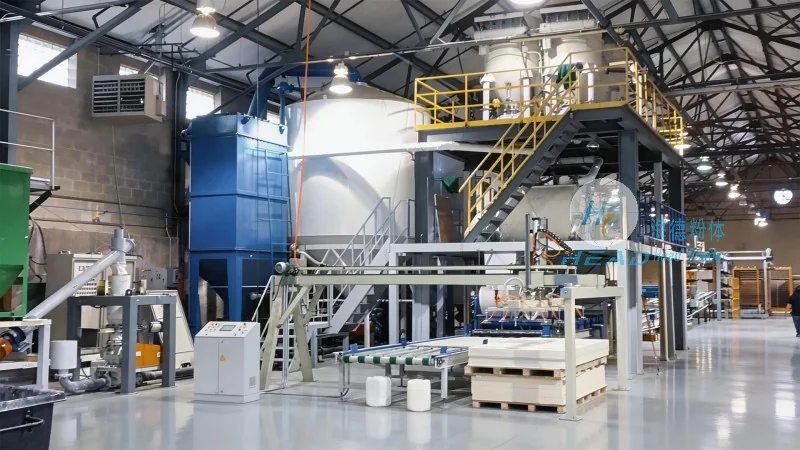
The operation process of a calcium carbonate powder pneumatic conveying system involves several sequential steps that ensure consistent and reliable material transport. First, the powder is stored in a hopper or silo, where it is kept in a dry and free-flowing state. The feeder then regulates the discharge rate of the powder into the conveying line, ensuring a steady flow. The compressor then supplies compressed air, which mixes with the powder and creates a high-velocity air-powder mixture. This mixture travels through the conveying line to the receiving tank, where the air is separated from the powder, typically using a cyclone or filter. The separated powder is collected in the receiver, while the air is either vented to the atmosphere or recirculated back to the system to improve energy efficiency.
Benefits and Considerations for Calcium Carbonate Powder Pneumatic Conveying
Implementing a pneumatic conveying system for calcium carbonate powder offers several advantages, including reduced labor costs by eliminating manual handling, improved material quality by minimizing contamination, and enhanced safety by avoiding direct contact with the powder. However, the system's design and operation must consider factors such as the powder's particle size, moisture content, and flow characteristics, as these can affect the system's efficiency and reliability. Proper maintenance, including regular cleaning of filters and checking for air leaks, is also crucial to prevent system downtime and ensure optimal performance.
About Shandong HeadPowder Engineering Co., Ltd.
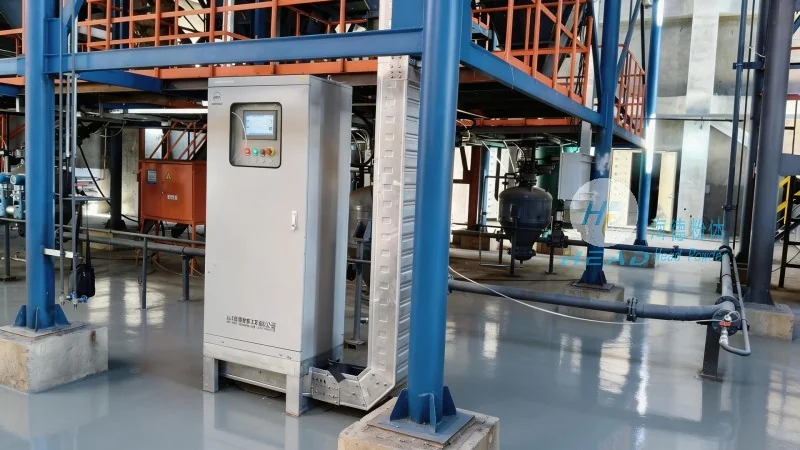
Shandong HeadPowder Engineering Co., Ltd., commonly known as HeadPowder, is a leading provider of pneumatic conveying solutions tailored for calcium carbonate powder applications. With a focus on innovation and customer satisfaction, HeadPowder designs and manufactures customized systems that meet the specific needs of its clients. The company's headquarters is located in Shandong, China, where it leverages its expertise in material handling technology to deliver high-quality, efficient, and reliable pneumatic conveying systems. By combining advanced engineering with practical application, HeadPowder helps businesses optimize their calcium carbonate powder handling processes and improve overall operational efficiency.




