Chromic oxide, a critical industrial material, often requires efficient and reliable transportation methods to ensure smooth production workflows. Pneumatic conveying systems have emerged as a preferred solution for handling such materials, offering advantages like dust-free operation, reduced material degradation, and enhanced safety. This article delves into the operation process and working principles of chromic oxide pneumatic conveying, highlighting key components, operational steps, and the benefits of this technology.
Key Components of Pneumatic Conveying Systems for Chromic Oxide
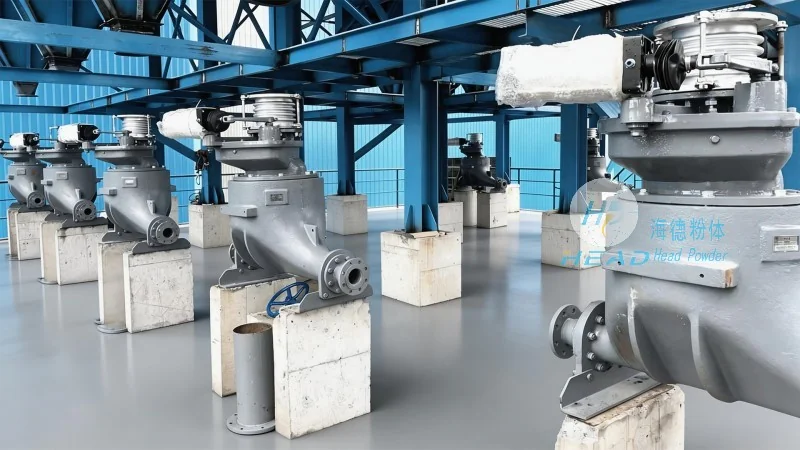
A typical chromic oxide pneumatic conveying system comprises several essential components that work in tandem to transport the material. The primary elements include a material hopper, a feeder, a conveying pipeline, a dust collector, and a control system. The material hopper stores the chromic oxide, while the feeder regulates the flow rate to maintain consistent conveying performance. The conveying pipeline, often made of stainless steel or other corrosion-resistant materials, transports the material from the hopper to the destination. A dust collector is integrated to capture any airborne particles, ensuring environmental compliance and worker safety. The control system monitors and adjusts the system parameters to optimize performance and prevent issues like blockages or pressure fluctuations.
The Operation Process of Chromic Oxide Pneumatic Conveying
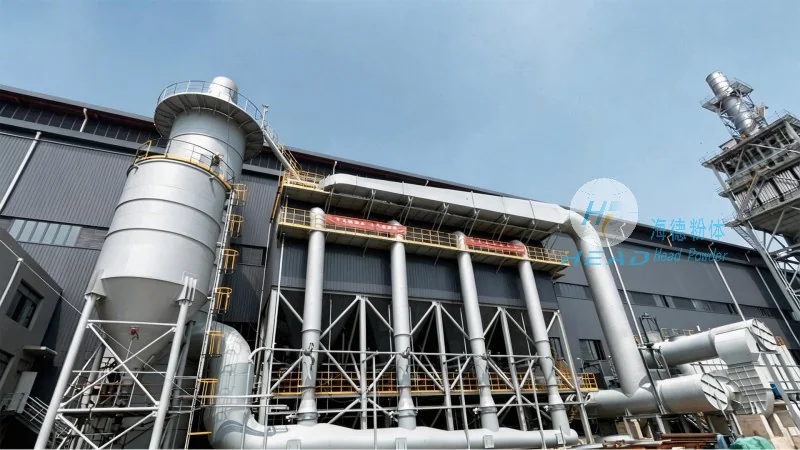
The operation of a chromic oxide pneumatic conveying system follows a systematic sequence of steps. Initially, the chromic oxide is loaded into the material hopper. The feeder then starts, controlling the discharge rate based on the system's requirements. Simultaneously, the air compressor or blower generates a flow of air, which is introduced into the conveying pipeline. The air flow creates a negative pressure or positive pressure environment, depending on the system design, to draw or push the material through the pipeline. As the material travels, it is mixed with the air, forming a slurry-like stream. The system continues to transport the material until the hopper is emptied or the desired quantity is reached. The process concludes with the material being discharged into the receiving container, while the air is filtered and returned to the system or released safely.
Working Principles of Chromic Oxide Pneumatic Conveying
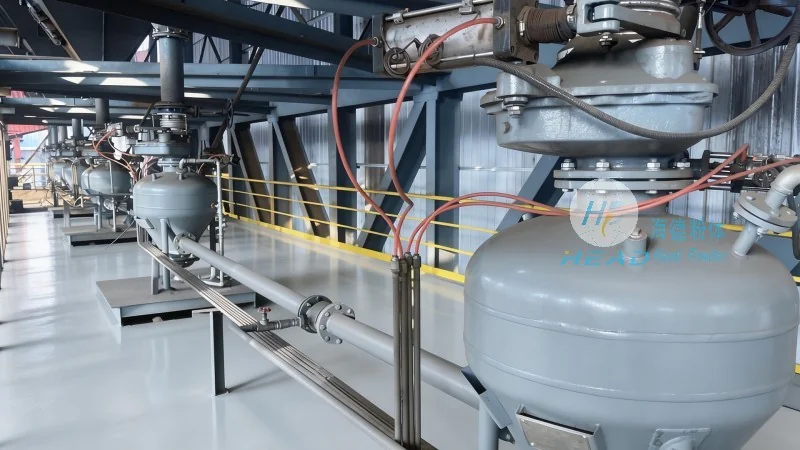
The working principle of chromic oxide pneumatic conveying is based on the interaction between the material and the air flow. In a positive pressure system, the blower forces air into the pipeline, creating a pressure higher than the ambient air, which pushes the material forward. The material is carried by the air stream, with the air velocity exceeding the material's terminal velocity to prevent deposition. In a negative pressure (or suction) system, the blower creates a vacuum, drawing air and material from the hopper into the pipeline. The air flow maintains the material in suspension, ensuring continuous transport. The key to efficient conveying lies in maintaining the correct air-to-material ratio, which balances the air velocity and material flow rate to avoid blockages or excessive energy consumption. Proper system design, including pipeline diameter, length, and bends, is crucial to minimize pressure losses and ensure smooth operation.
About Shandong HeadPowder Engineering Co., Ltd.
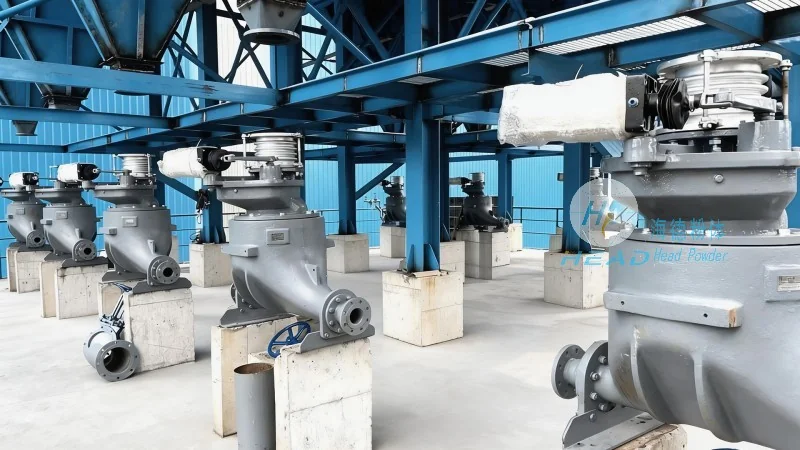
Shandong HeadPowder Engineering Co., Ltd., operating under the brand name headpowder, specializes in the design, manufacturing, and installation of advanced material handling systems, including pneumatic conveying solutions for industrial applications. With a focus on precision and reliability, the company provides customized solutions tailored to the specific needs of clients, ensuring optimal performance and longevity of the equipment. Headpowder's expertise in material handling technology, combined with a commitment to quality and customer satisfaction, makes it a trusted partner for businesses requiring efficient and safe transportation of materials like chromic oxide. The company's facilities are located in Shandong, China, where it leverages local resources and industry knowledge to deliver high-quality products and services.




