HeadPowder, a leading manufacturer based in Shandong, China, specializes in the design, development, and implementation of advanced pneumatic conveying systems for powder electrolytes. This article provides a detailed overview of the operational process and working principles behind these systems, highlighting the technical aspects and practical applications that define their efficiency and reliability.
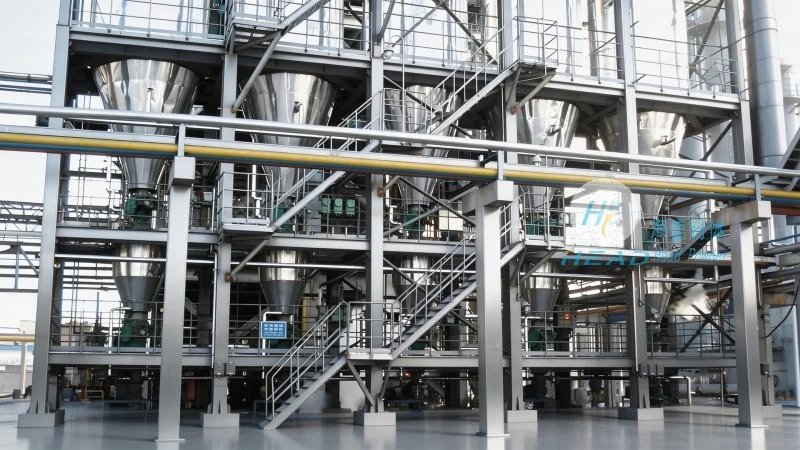
Understanding Pneumatic Conveying Systems for Powder Electrolytes
Pneumatic conveying systems are widely used in industries that handle fine powders, including electrolytes, due to their ability to transport materials over long distances with minimal loss and contamination. The systems operate by using compressed air or gas to move the powder through a pipeline network. At HeadPowder, we focus on optimizing these systems to meet the specific needs of our clients, ensuring consistent performance and durability.
The Core Components and Their Functions
Effective pneumatic conveying of powder electrolytes relies on several key components, each playing a critical role in the overall system. These components include the material feed hopper, the air compressor or blower, the conveying pipeline, the control valves, and the discharge equipment. The feed hopper is designed to store and meter the powder, ensuring a steady flow into the system. The air compressor provides the necessary pressure to move the powder through the pipeline, while the control valves regulate the air flow and pressure to maintain optimal conveying conditions. The pipeline network connects all components, and the discharge equipment delivers the powder to its final destination, such as a storage silo or processing unit.
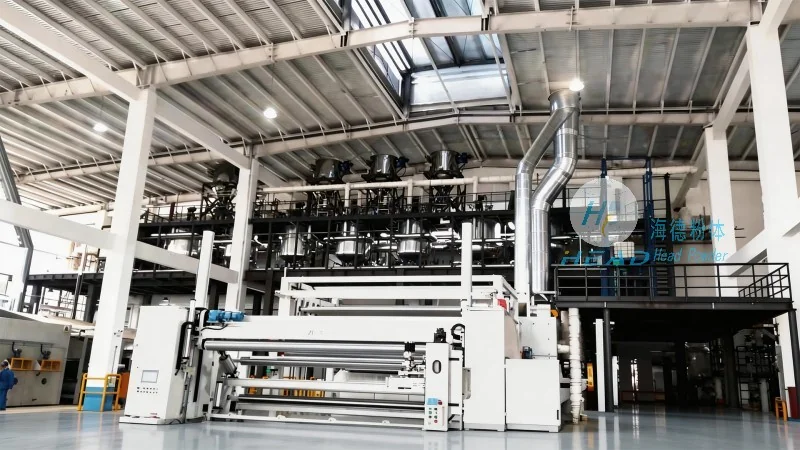
Operation Process: From Feed to Discharge
The operation process of a pneumatic conveying system for powder electrolytes involves several sequential steps. First, the powder is fed from the storage hopper into the feed hopper at a controlled rate. Simultaneously, the air compressor generates compressed air, which is then introduced into the pipeline. The compressed air creates a pressure differential that lifts and propels the powder particles through the pipeline. As the powder travels, it may encounter various components, such as bends or expansion joints, which are designed to minimize pressure loss and maintain the flow. The system's control system monitors the pressure and flow rates, adjusting the air supply as needed to ensure smooth operation. Finally, the powder is discharged from the pipeline into the receiving vessel, completing the conveying cycle.
Working Principles: The Physics Behind the Process
The working principle of pneumatic conveying for powder electrolytes is based on the interaction between the powder particles and the air stream. When compressed air is introduced into the pipeline, it creates a turbulent flow that entrains the powder particles. The air velocity must be sufficient to overcome the gravitational force acting on the powder, as well as any frictional losses within the pipeline. The system operates on the principle of fluidization, where the powder particles are suspended in the air stream, behaving like a fluid. This allows for efficient and continuous transport of the material. The design of the system, including the size of the pipeline, the air pressure, and the feed rate, is critical to achieving optimal conveying efficiency and minimizing energy consumption.
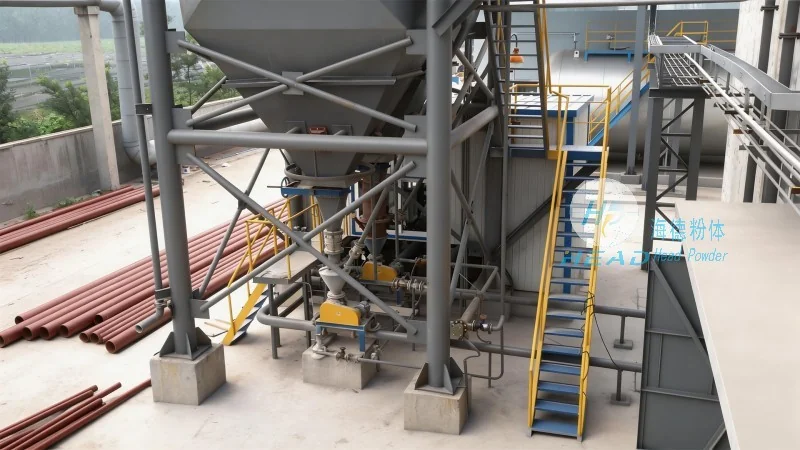
Applications and Benefits in Industrial Settings
Pneumatic conveying systems for powder electrolytes are utilized in various industrial applications, including battery manufacturing, chemical processing, and material handling in research facilities. The benefits of these systems include reduced material handling time, improved safety by eliminating manual handling, and enhanced product quality by minimizing contamination and degradation. At HeadPowder, our systems are engineered to meet the unique requirements of each application, ensuring that clients achieve the highest levels of performance and reliability.
Conclusion and Company Overview
HeadPowder Engineering Co., Ltd., located in Shandong, China, is a trusted provider of pneumatic conveying solutions for powder electrolytes. Our expertise in system design, manufacturing, and installation ensures that clients receive high-quality equipment that meets their operational needs. By understanding the operation process and working principles of these systems, businesses can optimize their material handling processes, improve efficiency, and reduce costs. HeadPowder remains committed to delivering innovative and reliable solutions that support the growth and success of our clients in the industry.




