Unattended feeding pneumatic conveying equipment is a sophisticated system designed for the automated transport of bulk materials over short to medium distances. This technology has become increasingly vital in modern industrial applications, offering a reliable and efficient solution for material handling tasks that require minimal human intervention. The equipment operates by utilizing air as the conveying medium, enabling the movement of powders, granules, and other particulate materials from a feeding point to a discharge point without the need for manual feeding or constant supervision.
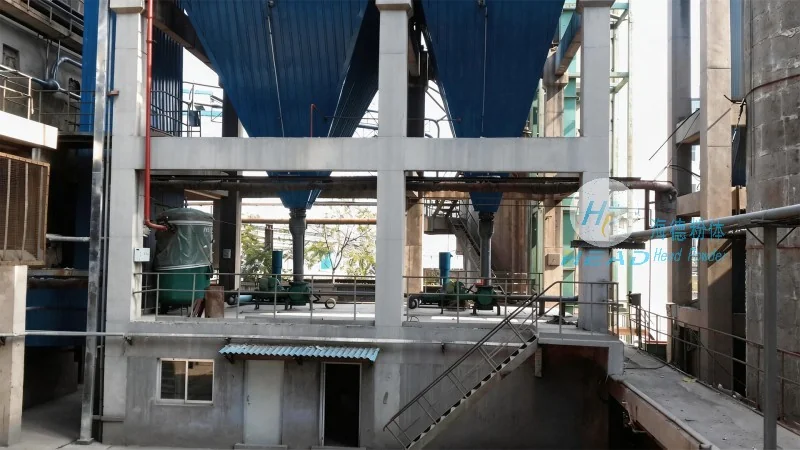
Core Components and System Architecture
The unattended feeding pneumatic conveying system typically consists of several key components that work in tandem to ensure smooth operation. These include a feeding hopper, an air compressor or blower, a conveying line (often equipped with bends and filters), and a discharge valve or container. The feeding hopper is responsible for storing the bulk material and regulating the flow rate into the system. The air compressor generates the necessary pressure to move the material through the pipeline. The conveying line, which may incorporate features like cyclone separators or filter bags to capture dust and maintain air quality, transports the material from the source to the destination. Finally, the discharge valve or container collects the material at the end of the process.
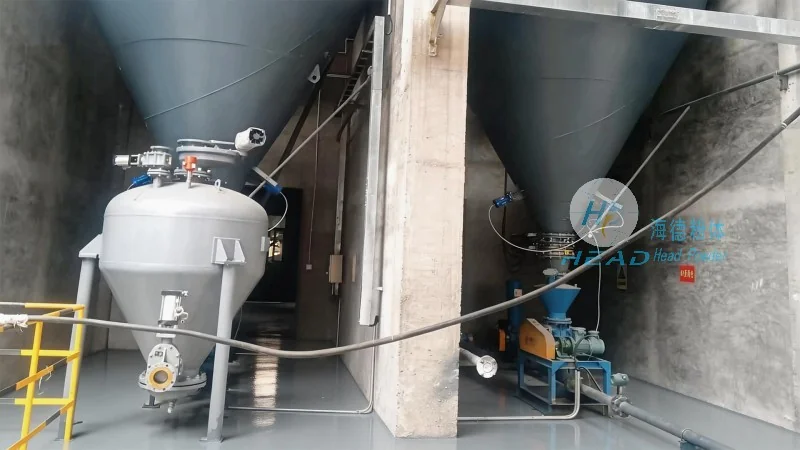
Working Principle of the Conveying Process
The operation of unattended feeding pneumatic conveying equipment is based on the principle of pneumatic transport, where material is suspended and carried by a stream of air. When the system is activated, the air compressor increases the pressure within the conveying line, creating a flow of air that draws material from the feeding hopper into the pipeline. The material is then carried through the system as a slurry or suspension, with the air providing the necessary force to overcome resistance and maintain movement. As the material travels through the conveying line, it may encounter bends or changes in direction, which are managed by the design of the pipeline and the use of appropriate fittings to minimize pressure loss and ensure efficient transport.
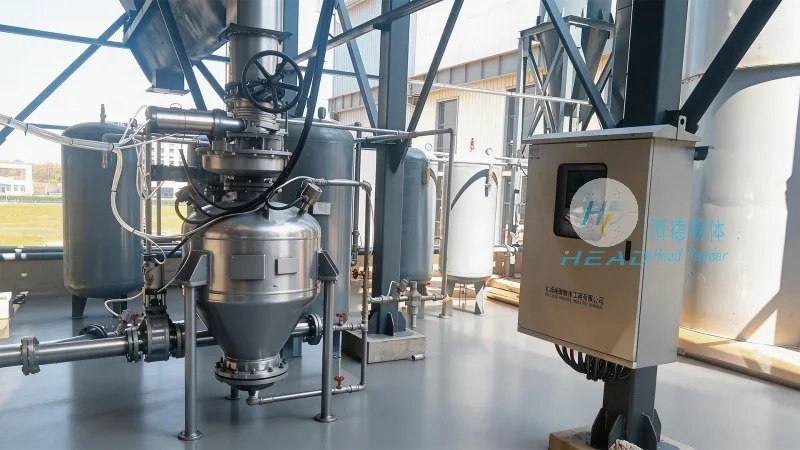
Operation Process: From Start to End
The operation process of the unattended feeding pneumatic conveying equipment begins with the loading of the feeding hopper with the bulk material. Once the hopper is filled, the system is activated by the control panel, which initiates the air compressor and starts the conveying cycle. The material is then drawn from the hopper and transported through the conveying line to the discharge point. During the process, the system continuously monitors parameters such as pressure, flow rate, and material level to ensure optimal performance. If any anomalies are detected, the system may automatically adjust its operation or trigger an alarm for maintenance. The conveying cycle continues until the feeding hopper is empty or the material in the discharge container reaches a predetermined level, at which point the system may automatically shut down or transition to a standby mode.
Advantages and Applications
Unattended feeding pneumatic conveying equipment offers several advantages that make it suitable for a wide range of industrial applications. These include high efficiency in material transport, reduced labor costs due to minimal human intervention, and improved safety by eliminating the need for workers to handle or monitor the material handling process. The equipment is commonly used in industries such as food processing, pharmaceuticals, chemicals, and mining, where the transport of powders and granules is essential. For example, in food processing facilities, the equipment can be used to transport flour, sugar, or other ingredients from storage to production lines without the need for manual feeding. In pharmaceutical manufacturing, the system ensures the safe and hygienic transport of raw materials, minimizing the risk of contamination.
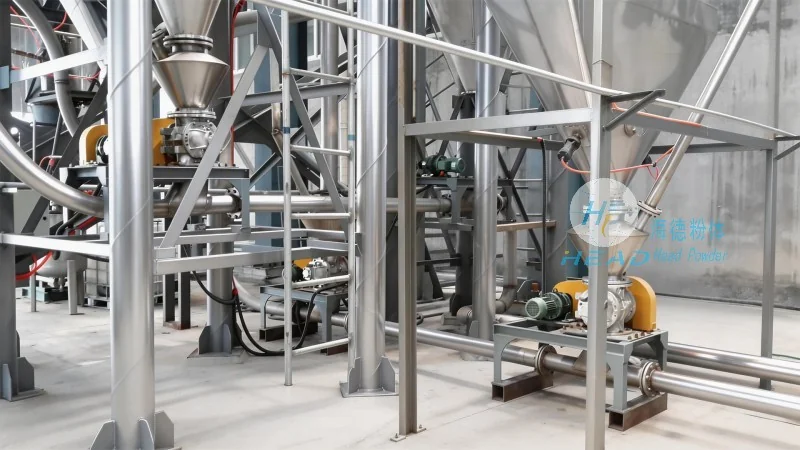
Maintenance and Operational Considerations
To ensure the reliable and long-term operation of unattended feeding pneumatic conveying equipment, regular maintenance is essential. This includes checking and replacing air filters to maintain air quality, inspecting the conveying line for blockages or wear, and verifying the performance of the air compressor and control system. Additionally, the feeding hopper and discharge valve should be cleaned regularly to prevent material buildup and ensure smooth operation. Proper operational considerations, such as avoiding overloading the system and monitoring pressure and flow rates, are also crucial to prevent damage to components and ensure efficient material transport.




