HeadPowder, a leading manufacturer based in Shandong, China, specializes in the design, production, and supply of advanced dust-free pneumatic conveying equipment. This article provides a comprehensive overview of the operation process and working principle of such systems, highlighting key components and the technology behind efficient, clean material handling.
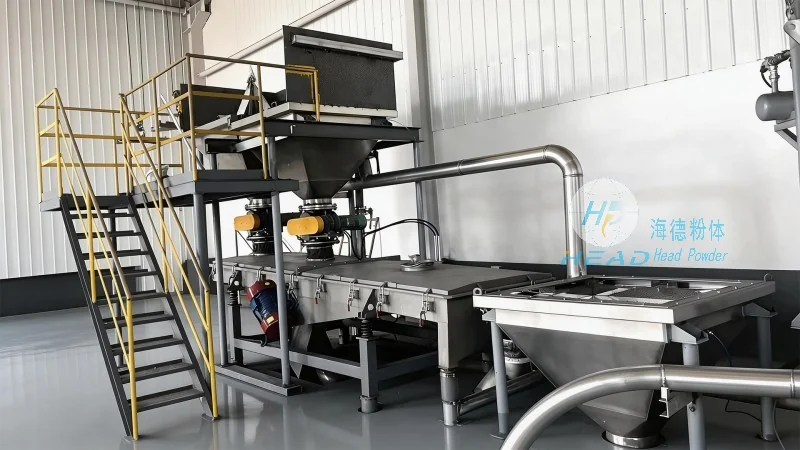
Key Components of Dust-Free Pneumatic Conveying Systems
Dust-free pneumatic conveying systems typically consist of several critical components that work in concert to ensure reliable and efficient material transport. The main elements include a blower or air compressor, a hopper for material storage, a conveying line (usually made of stainless steel or other corrosion-resistant materials), a control system, and a dust collection unit. Each component plays a vital role in maintaining the integrity of the material and ensuring a clean operational environment.
The Working Principle of Pneumatic Conveying
The core principle of pneumatic conveying is the use of air pressure to move bulk materials through a pipeline. In a typical system, the process begins with the material being fed from a hopper into the conveying line. The blower generates a high-pressure airflow that pulls the material particles into the line, where they are carried along by the air stream. The system may employ different conveying modes, such as dilute phase (where particles are suspended in the air) or dense phase (where particles move in a more compacted state), depending on the material characteristics and application requirements.
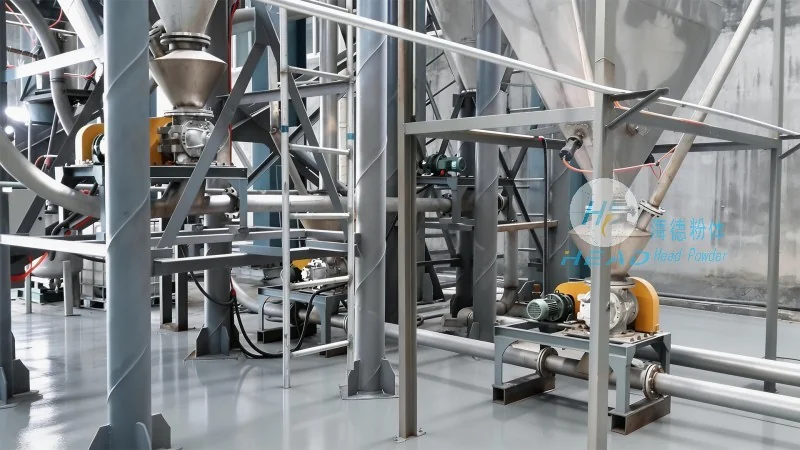
Operation Process Step-by-Step
The operation of a dust-free pneumatic conveying system follows a systematic sequence to ensure smooth material transfer. First, the material is loaded into the hopper, which is equipped with a feeder to regulate the flow rate. Next, the blower is activated, creating the necessary air pressure to initiate the conveying process. As the material enters the conveying line, it is propelled by the airflow, traveling through the pipeline to the destination point, such as a silo or processing unit. The system includes a control panel that monitors pressure, flow rate, and other parameters to maintain optimal performance. Finally, the material is discharged from the receiving vessel, completing the cycle. The entire process is designed to minimize dust generation and ensure a safe, efficient operation.
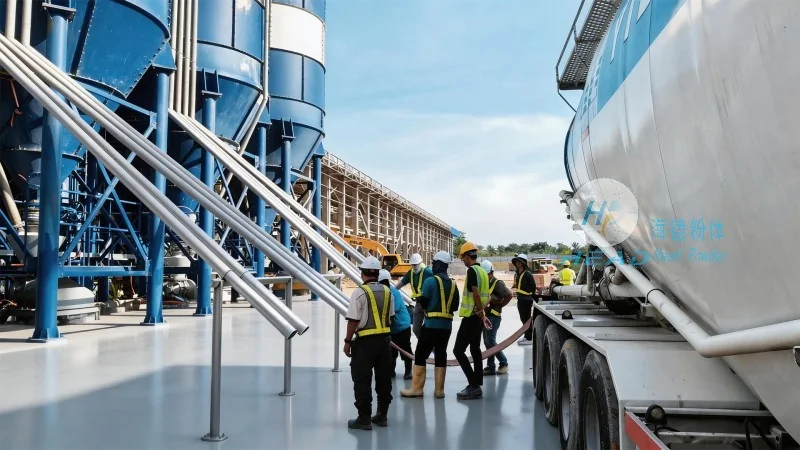
Advantages of Dust-Free Pneumatic Conveying
Compared to traditional mechanical conveying methods, dust-free pneumatic conveying offers several advantages. It eliminates the need for moving parts in the conveying line, reducing maintenance requirements and the risk of material contamination. The system is highly flexible, allowing for changes in material type or flow rate without significant modifications. Additionally, it provides better control over material handling, ensuring consistent product quality and reducing the risk of product degradation. The enclosed design also protects operators from exposure to dust and other hazardous particles, enhancing workplace safety.
Application Considerations
When selecting a dust-free pneumatic conveying system, several factors must be considered to ensure optimal performance. The material's physical properties, such as particle size, density, and moisture content, are critical in determining the appropriate conveying mode and equipment configuration. The system's capacity and pressure requirements must align with the production needs of the application. Additionally, the system's integration with existing facilities and the need for dust collection and filtration must be evaluated to ensure compliance with environmental regulations. By carefully considering these factors, users can select a system that meets their specific requirements and delivers reliable, efficient material handling.




