HeadPowder, a leading manufacturer based in Shandong, China, specializes in the design, production, and application of advanced pneumatic conveying systems tailored for the fine chemical industry. The equipment developed by HeadPowder Engineering Co., Ltd. is engineered to meet the stringent requirements of transporting powders and granules with high precision, efficiency, and safety. This article delves into the operational process and working principles of these sophisticated systems, highlighting their key components, operational stages, and the technological advancements that ensure optimal performance in demanding industrial environments.
Key Components of Pneumatic Conveying Systems
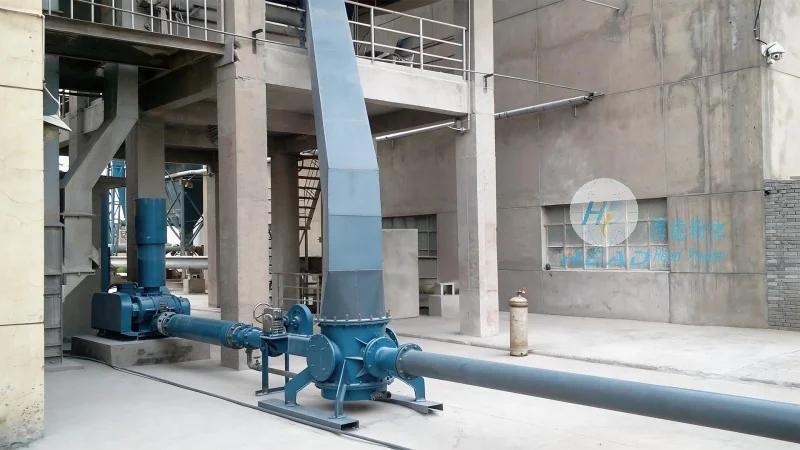
The core components of a fine chemical pneumatic conveying system include the material hopper, feeder, air compressor, conveying line, and receiving hopper. Each component plays a critical role in the overall functionality of the system. The material hopper is designed to store the bulk material, ensuring a consistent feed to the feeder. The feeder, typically a rotary valve or a screw feeder, controls the flow rate of the material into the conveying line. The air compressor generates the necessary air pressure to move the material through the pipeline. The conveying line, often made of stainless steel or other corrosion-resistant materials, is designed to withstand the abrasive nature of fine chemicals. The receiving hopper collects the material at the destination point, completing the material transfer process.
Operation Process of Pneumatic Conveying Equipment
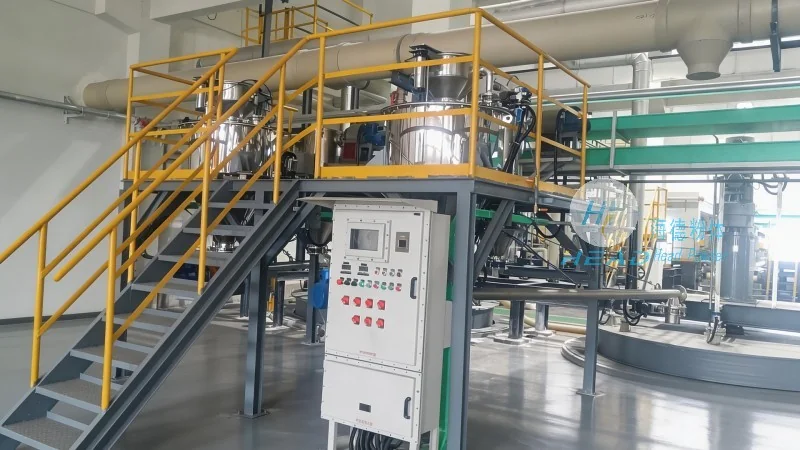
The operation of fine chemical pneumatic conveying equipment follows a systematic sequence to ensure efficient and reliable material transport. The process begins with the material being loaded into the hopper. The feeder then regulates the flow of material into the conveying line. Simultaneously, the air compressor starts and generates compressed air, which is introduced into the conveying line. The compressed air creates a pressure differential that propels the material particles through the pipeline. As the material travels, it is suspended and transported by the air flow. The receiving hopper is positioned at the end of the line to collect the material once it reaches the destination. The system may include additional components such as filters, cyclones, or dust collectors to ensure the material is conveyed without contamination or loss. The entire process is controlled by a programmable logic controller (PLC) or a similar control system, which monitors and adjusts the flow rates, air pressure, and other parameters to maintain optimal performance.
Working Principle of Pneumatic Conveying
The working principle of pneumatic conveying relies on the fundamental physics of fluid dynamics and particle motion. In a positive pressure system, the air compressor supplies compressed air to the conveying line, creating a higher pressure inside the line compared to the ambient environment. This pressure difference forces the air and material particles to move together through the pipeline. The material is suspended in the air stream, and the air flow carries the particles to the receiving hopper. The velocity of the air and the size of the particles determine the efficiency of the conveying process. For fine chemicals, which are often abrasive and sensitive to moisture, the system is designed with smooth, corrosion-resistant surfaces and efficient filtration to prevent material degradation and equipment wear. The negative pressure system, also known as a vacuum system, operates by creating a lower pressure inside the conveying line compared to the ambient air, drawing the material into the line using a vacuum pump. Both systems are used depending on the specific application and the characteristics of the material being conveyed.
Advantages of Fine Chemical Pneumatic Conveying Equipment
HeadPowder's pneumatic conveying systems offer several advantages over traditional mechanical conveying methods. These include the ability to transport materials over long distances without the need for intermediate storage or transfer points. The systems are also highly flexible, allowing for changes in material flow rates and destinations without significant modifications. Additionally, pneumatic conveying reduces the risk of material contamination and cross-contamination, which is critical in the fine chemical industry where product purity is paramount. The equipment is also energy-efficient, with modern systems utilizing variable frequency drives (VFDs) to optimize air consumption and reduce operational costs. The compact design of the systems makes them suitable for installation in limited spaces, and the automated control systems ensure minimal human intervention, enhancing safety and operational reliability.
Application Examples in the Fine Chemical Industry
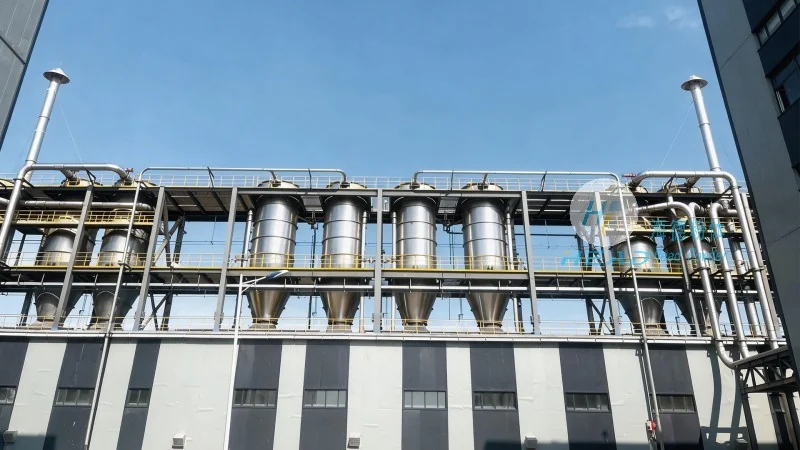
Fine chemical pneumatic conveying equipment is widely used in various applications within the chemical industry. For example, in pharmaceutical manufacturing, the equipment is used to transport active pharmaceutical ingredients (APIs) and excipients from raw material storage to production lines. In the agrochemical sector, it is employed to convey pesticides and fertilizers, ensuring precise dosing and minimizing exposure risks. In the specialty chemical industry, the systems are used to transport pigments, dyes, and other fine powders used in coatings and plastics. The equipment's ability to handle sensitive materials without degradation makes it ideal for these applications. HeadPowder's systems have been successfully implemented in numerous plants across China, demonstrating their reliability and effectiveness in meeting the specific needs of different fine chemical processes.
Maintenance and Operational Considerations
To ensure the longevity and optimal performance of fine chemical pneumatic conveying equipment, regular maintenance is essential. This includes inspecting and cleaning the conveying line and components to prevent clogging and material buildup. The air compressor and filters should be checked and replaced as needed to maintain air quality and pressure. The feeder and hopper should be monitored for wear and tear, and replaced or repaired as necessary. The control system should be calibrated regularly to ensure accurate operation. Operational considerations also include the selection of appropriate air pressure and flow rates for the specific material being conveyed. Overloading the system or using excessive air pressure can lead to equipment damage or material degradation. Proper training of operators on the system's operation and maintenance is crucial to prevent accidents and ensure efficient performance.




