Pharmaceutical pneumatic conveying machines are critical equipment in the pharmaceutical industry, designed to transport powders and granules with high precision and minimal contamination. As a leading manufacturer in Shandong, China, Shandong HeadPowder Engineering Co., Ltd. specializes in developing advanced solutions that meet stringent regulatory standards. This article explores the operation process and working principle of these systems, highlighting their efficiency and reliability in pharmaceutical production.
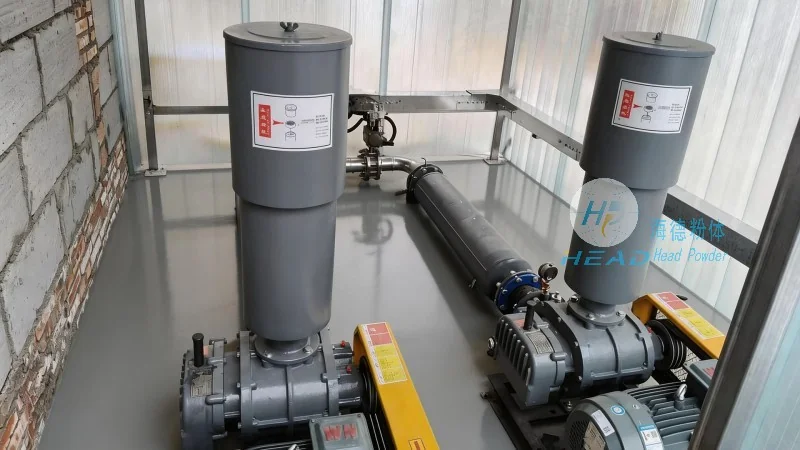
Company Background: HeadPowder
HeadPowder, the brand under Shandong HeadPowder Engineering Co., Ltd., is dedicated to providing innovative pneumatic conveying technologies for the pharmaceutical sector. With a strong presence in China, the company leverages decades of industry experience to deliver customized solutions that enhance productivity while ensuring compliance with GMP (Good Manufacturing Practice) guidelines. The company’s headquarters is located in Shandong, China, where it maintains state-of-the-art manufacturing facilities and research centers.
The Operation Process of Pharmaceutical Pneumatic Conveying Machines
The operation process of pharmaceutical pneumatic conveying machines involves several key steps that ensure safe and efficient material handling. First, the material is loaded into the hopper or feeding device. Then, the system uses compressed air to create a flow that transports the powder through the pipeline. The process typically includes feeding, conveying, and discharge stages. During feeding, the material is metered to maintain a consistent flow rate. The conveying stage utilizes positive or negative pressure to move the material, depending on the system design. Finally, the material is discharged into the target container or processing unit. This sequential operation minimizes product exposure to contaminants and ensures smooth production flow.
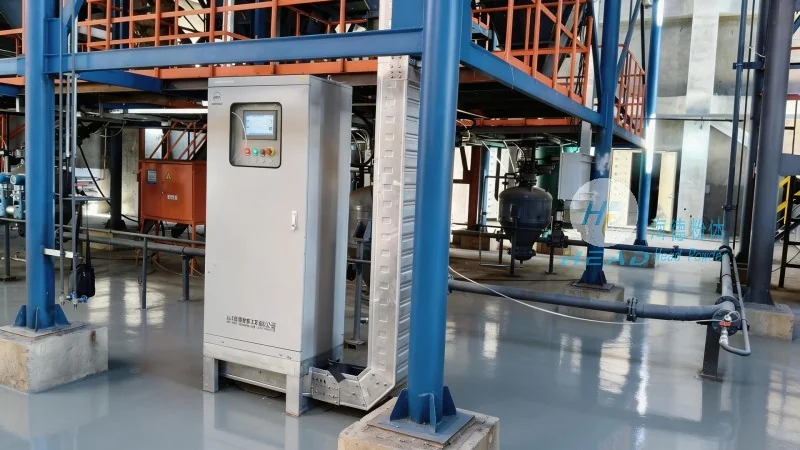
Working Principle of Pharmaceutical Pneumatic Conveying Systems
The working principle of pharmaceutical pneumatic conveying systems is based on the principles of fluid dynamics and particle transport. There are two main types of systems: positive pressure and negative pressure. Positive pressure systems use compressed air to push the material through the pipeline, while negative pressure systems use vacuum to draw the material. In both cases, the air flow is controlled to maintain the desired velocity and pressure. The system also includes components such as airlocks, filters, and cyclones to prevent product loss and ensure clean operation. These components work together to create a closed-loop system that minimizes contamination and maximizes efficiency.
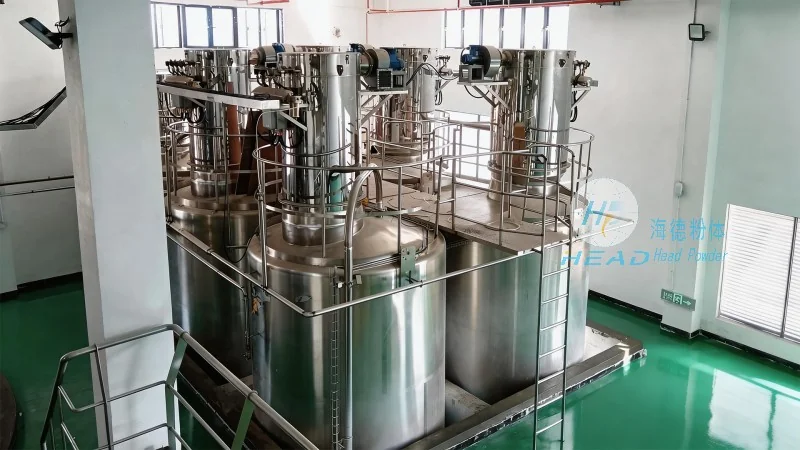
Key Features and Benefits
Pharmaceutical pneumatic conveying machines from HeadPowder offer several advantages that make them ideal for pharmaceutical applications. These include high precision in material handling, minimal product degradation, and compliance with GMP standards. The systems are designed to handle a wide range of materials, from fine powders to bulk granules, with consistent performance. Additionally, the equipment is easy to clean and maintain, reducing downtime and operational costs. The use of advanced materials and engineering ensures long service life and reliability, making it a cost-effective solution for pharmaceutical manufacturers.
Application Examples
Pharmaceutical pneumatic conveying machines are widely used in various pharmaceutical processes, including raw material handling, intermediate processing, and final product packaging. For example, in the production of tablets, the system can transport active pharmaceutical ingredients (APIs) and excipients from storage to the mixing and granulation units. In the case of powder coating, the equipment efficiently conveys the coating material to the coating line, ensuring uniform application. These applications demonstrate the versatility and effectiveness of the systems in enhancing production efficiency and product quality.




