Caustic soda, also known as sodium hydroxide, is a widely used chemical in various industrial applications, including chemical manufacturing, paper production, and water treatment. The efficient and safe transportation of caustic soda is crucial for industrial operations, and pneumatic conveying systems have emerged as a reliable solution. This article provides an in-depth look at the operation process and working principle of a caustic soda pneumatic conveying machine, highlighting its key components, operational steps, and the underlying technology that enables its effective performance.
Overview of Caustic Soda Pneumatic Conveying Systems
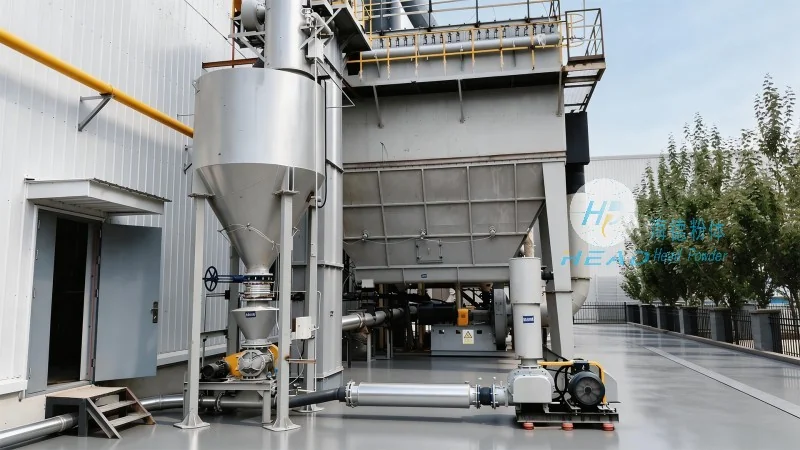
Caustic soda pneumatic conveying machines are designed to transport caustic soda from a storage tank or container to a processing unit using a combination of air pressure and vacuum. These systems are typically composed of several key components, including a hopper, a rotary valve, a conveyor pipe, a dust collector, and a control system. The hopper serves as the storage vessel for the caustic soda, while the rotary valve regulates the flow of material into the conveyor pipe. The conveyor pipe is the main channel through which the caustic soda is transported, and the dust collector ensures that any airborne particles are captured and removed, maintaining a clean and safe working environment.
Working Principle of the Pneumatic Conveying Process
The operation of a caustic soda pneumatic conveying machine follows a systematic process that involves several stages. The first stage is the loading of the caustic soda into the hopper. Once the hopper is filled, the rotary valve opens to allow the material to enter the conveyor pipe. Simultaneously, the system generates either positive pressure or negative pressure (vacuum) within the pipe. In positive pressure systems, compressed air is introduced into the pipe, creating a flow that propels the caustic soda forward. In negative pressure systems, a vacuum is created at the receiving end, drawing the material through the pipe. The choice between positive and negative pressure depends on factors such as the distance to be covered, the material's properties, and the system's design. The conveyor pipe is often equipped with bends and elbows to direct the flow to the desired destination, and the material is discharged at the receiving end through a rotary valve or a similar device.
Key Components and Their Functions
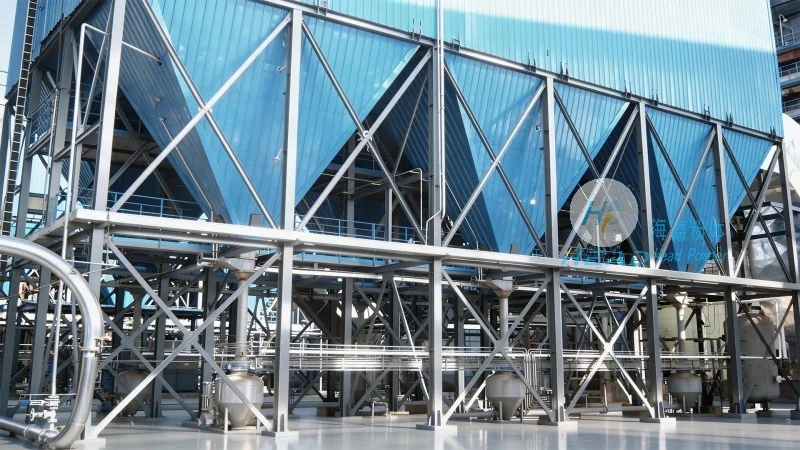
Each component of the caustic soda pneumatic conveying machine plays a critical role in ensuring efficient and safe operation. The hopper is designed to hold a large quantity of caustic soda and is typically made of corrosion-resistant materials, such as stainless steel, to withstand the chemical's aggressive nature. The rotary valve, located at the bottom of the hopper, controls the flow of material into the conveyor pipe. It operates by rotating a series of blades or paddles, allowing the caustic soda to fall into the pipe in controlled quantities. The conveyor pipe is usually made of high-quality plastic or metal, depending on the system's requirements, and is designed to minimize friction and prevent material buildup. The dust collector, often integrated with the system, uses filters or cyclones to capture any fine particles that may be released during the conveying process, preventing them from entering the environment or causing equipment damage. The control system monitors and regulates the pressure, flow rate, and other parameters to ensure smooth and consistent operation.
Operational Steps and Safety Considerations
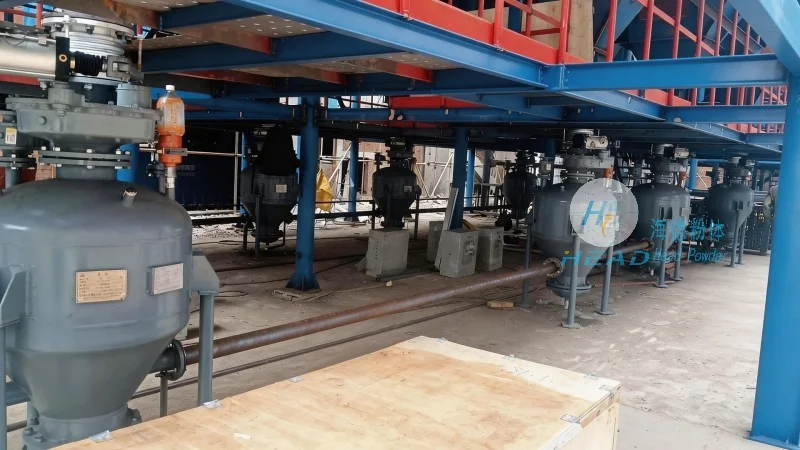
The operation of a caustic soda pneumatic conveying machine involves a series of steps that must be followed carefully to ensure safety and efficiency. The first step is to prepare the system by checking all components for proper functioning, including the hopper, rotary valve, conveyor pipe, and dust collector. The system is then started by activating the air compressor or vacuum pump, depending on the system type. The caustic soda is then loaded into the hopper, and the rotary valve is adjusted to control the flow rate. The system is monitored continuously to ensure that the pressure and flow rate are within the desired range. During operation, it is essential to follow safety protocols, such as wearing appropriate personal protective equipment (PPE), including gloves, goggles, and a face mask, to protect against exposure to caustic soda. Regular maintenance is also crucial to prevent equipment failure and ensure the system operates at optimal performance. This includes cleaning the hopper and conveyor pipe to remove any buildup of caustic soda, inspecting the rotary valve and other moving parts for wear and tear, and checking the dust collector for clogs or damage.
Advantages of Using Pneumatic Conveying for Caustic Soda
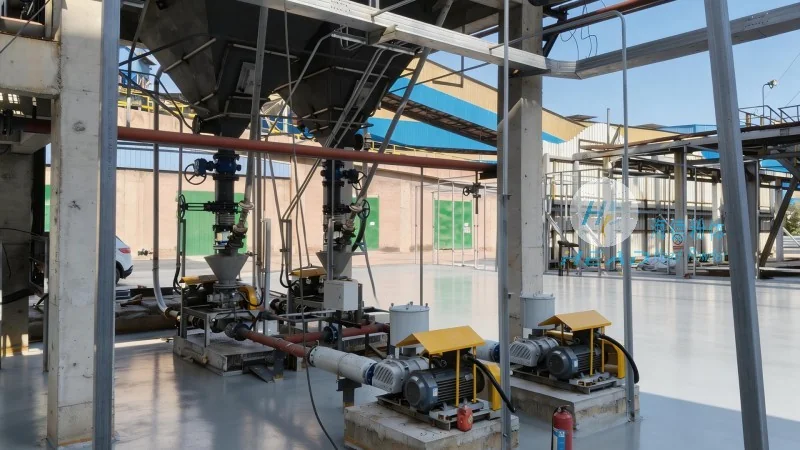
Caustic soda pneumatic conveying machines offer several advantages over traditional methods of material transportation, such as belt conveyors or bucket elevators. One of the primary advantages is the ability to transport caustic soda in a closed system, which prevents exposure to the environment and reduces the risk of contamination. This is particularly important for caustic soda, which is a hazardous chemical that can cause severe burns and other health issues if not handled properly. Another advantage is the flexibility of the system, as it can be easily adjusted to accommodate different flow rates and distances. The system can also be integrated with other processing equipment, such as reactors or tanks, to create a seamless production line. Additionally, pneumatic conveying systems are relatively compact and can be installed in a variety of locations, making them suitable for both new and existing industrial facilities.
Conclusion
In conclusion, caustic soda pneumatic conveying machines are an essential component of modern industrial operations, providing a safe and efficient means of transporting caustic soda. The operation process involves several key steps, including loading, conveying, and discharging, and is governed by the principles of air pressure and vacuum. The system's components, including the hopper, rotary valve, conveyor pipe, and dust collector, work together to ensure smooth and consistent operation. By following proper safety protocols and regular maintenance, these systems can operate effectively for extended periods, contributing to the overall productivity and safety of industrial facilities. As the demand for caustic soda continues to grow, the use of pneumatic conveying systems will remain a critical technology in the chemical industry.




