Quartz sand powder pneumatic conveying machines are essential equipment in industrial material handling, designed to transport fine quartz sand particles through a pneumatic system. These systems utilize air pressure to move the material from a source to a destination, offering a dust-free and efficient method compared to traditional methods like belt conveyors or manual handling. The operation of such machines involves several key components and processes that work in tandem to ensure reliable and consistent material transport. As a leading manufacturer in this field, Shandong HeadPowder Engineering Co., Ltd. specializes in providing high-quality quartz sand powder pneumatic conveying systems tailored to meet the diverse needs of industrial clients.
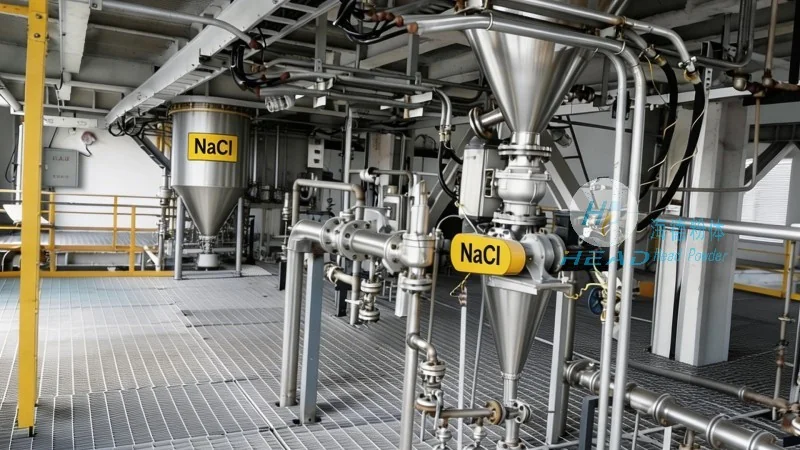
Key Components of the Pneumatic Conveying System
The core components of a quartz sand powder pneumatic conveying machine typically include a hopper for material storage, a blower or compressor to generate air flow, a pipeline system to guide the material, and a receiver or discharge unit. The hopper is equipped with a feeding mechanism, often a rotary valve or a feeder, which controls the flow of quartz sand into the system. The blower provides the necessary air pressure and volume to create a flow that can carry the fine particles. The pipeline network connects the hopper to the discharge point, with appropriate fittings and valves to regulate the flow direction and pressure. The receiver is where the material is deposited, and it may include a dust collection system to ensure environmental compliance and operational safety. Shandong HeadPowder Engineering Co., Ltd. designs these components with precision, ensuring optimal performance and durability for long-term use.
Working Principle of the Pneumatic Conveying Process
The working principle of a quartz sand powder pneumatic conveying machine is based on the principle of fluidization and air suspension. When the blower starts, it generates a high-pressure air stream that enters the hopper. The feeding mechanism releases the quartz sand particles into the pipeline, where the air flow lifts and carries the particles along the pipeline. The velocity of the air is crucial; it must be sufficient to overcome the gravitational force and the friction between the particles and the pipeline walls. The system operates in either positive pressure or negative pressure mode, depending on the application. In positive pressure systems, the air is forced into the pipeline, pushing the material forward. In negative pressure systems, the air is drawn out of the pipeline, creating a vacuum that pulls the material. The choice between these modes depends on factors such as the distance of transport, the material characteristics, and the need for dust control. Shandong HeadPowder Engineering Co., Ltd. offers both configurations to suit various industrial requirements.
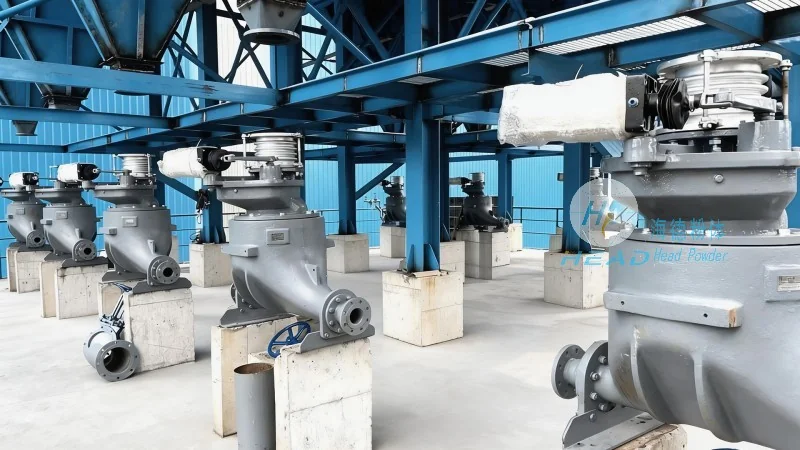
Operation Process: From Loading to Discharge
The operation process of a quartz sand powder pneumatic conveying machine begins with material loading into the hopper. The hopper is typically filled with quartz sand, and the feeding mechanism is activated to start the flow. The blower then turns on, generating the air flow that lifts the particles. As the particles enter the pipeline, they are carried to the discharge point. The receiver is positioned at the end of the pipeline, and the material is deposited there. The system may include a control panel that monitors the pressure, flow rate, and other parameters to ensure optimal operation. Operators can adjust the settings to maintain consistent material transport, such as changing the air pressure or the feeding rate. The process is continuous, allowing for uninterrupted material handling, which is particularly beneficial in high-demand industrial applications. Shandong HeadPowder Engineering Co., Ltd. ensures that their systems are equipped with user-friendly controls to facilitate smooth operation.
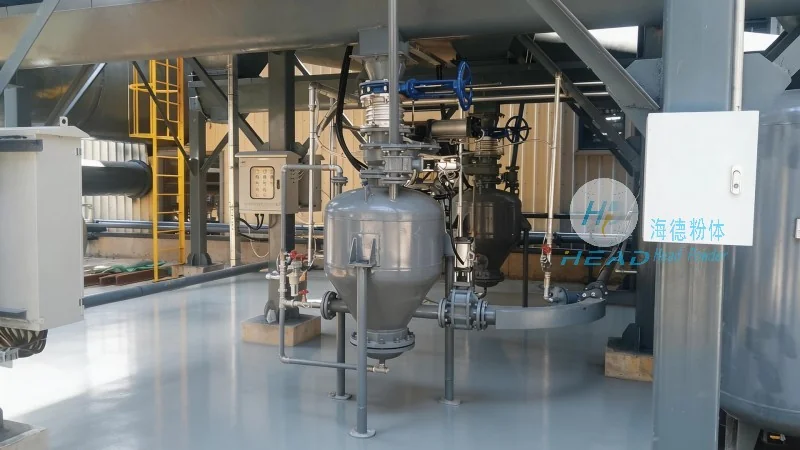
Advantages of Quartz Sand Powder Pneumatic Conveying Machines
Quartz sand powder pneumatic conveying machines offer several advantages over traditional material handling methods. One of the primary benefits is the ability to transport fine particles without the need for mechanical contact, which reduces wear and tear on the equipment. The system is also dust-free, as the material is enclosed within the pipeline, preventing dust emissions into the environment. This is particularly important for quartz sand, which can be a respiratory hazard if inhaled. Additionally, the system is flexible, allowing for changes in the transport route or distance without major modifications. The operation is also relatively simple, with automated controls that reduce the need for manual intervention. These advantages make quartz sand powder pneumatic conveying machines an ideal choice for industries that require efficient, safe, and reliable material transport. Shandong HeadPowder Engineering Co., Ltd. has developed advanced systems that incorporate these features, ensuring efficient and safe material transport for their clients.
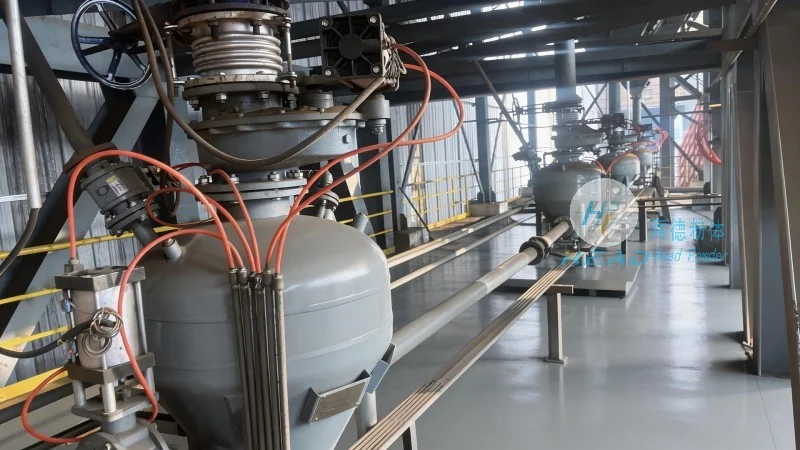
Application Examples and Industry Use Cases
Quartz sand powder pneumatic conveying machines are widely used in various industries that handle fine powders. In the construction industry, they are used to transport quartz sand for concrete production and other building materials. In the glass manufacturing industry, quartz sand is a key raw material, and the pneumatic conveying system ensures a consistent supply of the material to the production line. The automotive industry also utilizes these systems to transport quartz sand for sandblasting and other surface treatment processes. Additionally, in the chemical and pharmaceutical industries, the dust-free nature of the system is crucial for maintaining product quality and safety. The versatility of the system allows it to be adapted to different applications, making it a valuable asset in many industrial settings. Shandong HeadPowder Engineering Co., Ltd. serves clients across these industries, providing customized solutions that meet their specific operational needs.
Maintenance and Operational Considerations
To ensure the reliable operation of a quartz sand powder pneumatic conveying machine, regular maintenance is essential. The hopper and feeding mechanism should be checked for blockages or wear, as these can affect the material flow. The blower and compressor should be inspected for proper air pressure and flow rate. The pipeline system should be checked for leaks or damage, as air leaks can reduce the efficiency of the system. The receiver and dust collection system should be cleaned regularly to prevent clogging and ensure proper operation. Operators should also monitor the system parameters, such as pressure and flow rate, to detect any issues early. Proper maintenance can extend the lifespan of the equipment and reduce downtime, ensuring consistent material transport. Additionally, training operators on the proper use and maintenance of the system is crucial for safe and efficient operation. Shandong HeadPowder Engineering Co., Ltd. provides comprehensive support, including maintenance guidelines and technical assistance, to help clients maximize the performance of their equipment.




