Barium carbonate is a widely used chemical compound in various industrial applications, and the efficient handling of its powder form is crucial for maintaining production efficiency and product quality. The barium carbonate powder conveying line is a specialized system designed to transport this material safely and effectively from one processing stage to another. This article provides a detailed overview of the operating process and working principle of such a conveying line, highlighting the key components, operational steps, and the technical aspects that ensure reliable performance.
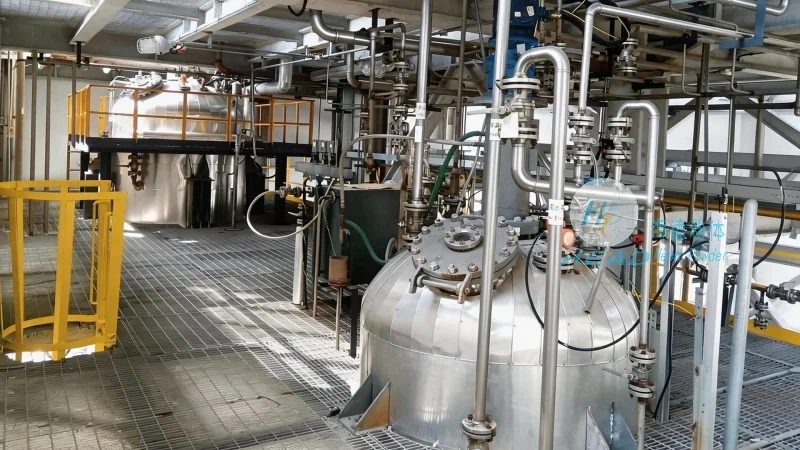
Introduction to Barium Carbonate Powder Conveying Lines
Barium carbonate (BaCO₃) is often used in the production of ceramics, glass, and as a precursor in the manufacturing of other chemical products. Due to its fine powder nature, handling barium carbonate requires specialized equipment to prevent dust generation, ensure material integrity, and maintain a safe working environment. The barium carbonate powder conveying line is engineered to address these challenges by integrating multiple components that work in tandem to transport the material with minimal loss and maximum efficiency.
Company Overview: Shandong HeadPowder Engineering Co., Ltd.
Headpowder, or Shandong HeadPowder Engineering Co., Ltd., is a leading manufacturer and supplier of advanced powder handling systems. With a strong focus on innovation and customer-centric solutions, the company specializes in designing and manufacturing conveying lines for various industrial powders, including barium carbonate. Headpowder's expertise lies in creating customized solutions that meet the specific requirements of clients, ensuring optimal performance and reliability in demanding industrial environments. The company is headquartered in Shandong, China, where it operates a state-of-the-art facility dedicated to research, development, and production of high-quality powder handling equipment.
Key Components of the Barium Carbonate Powder Conveying Line
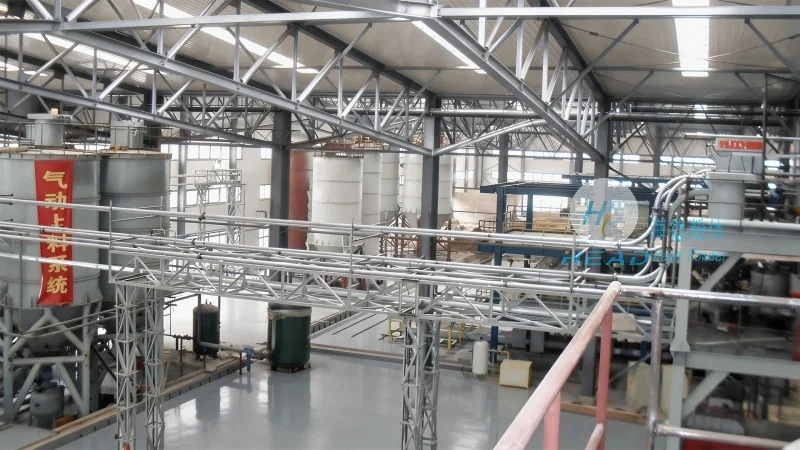
The barium carbonate powder conveying line typically consists of several critical components, each playing a vital role in the overall operation. The main components include a hopper for material storage, a feeder to control the flow rate, a conveyor system (such as a screw conveyor or pneumatic conveyor) for transporting the powder, and a dust collection system to ensure environmental compliance and worker safety. Additionally, the line may incorporate sensors and control panels to monitor and regulate the conveying process in real-time.
Working Principle of the Conveying Line
The working principle of the barium carbonate powder conveying line is based on the controlled movement of the material through a series of mechanical and pneumatic components. The process begins with the material being fed into the hopper from a storage silo or raw material container. The hopper is designed with a smooth interior to prevent material buildup and ensure uniform flow. A feeder, often a rotary valve or a volumetric feeder, regulates the amount of material released into the conveyor system. This controlled release is essential to maintain a consistent flow rate and prevent overloading or underloading of the conveyor.
The conveyor system itself is the core of the line, responsible for transporting the barium carbonate powder from the feeder to the next processing stage, such as a mixer, reactor, or packaging unit. In a screw conveyor, for example, a rotating screw (helix) pushes the material forward through a cylindrical tube. The speed of the screw and the pitch of the helix determine the conveying capacity and the material's residence time. For pneumatic conveying, the system uses compressed air to create a flow that carries the powder particles through a pipeline. This method is particularly effective for fine powders like barium carbonate, as it minimizes particle degradation and reduces the risk of blockages.
Operational Steps in the Conveying Process
The operation of the barium carbonate powder conveying line follows a systematic sequence of steps to ensure smooth and continuous material transport. The process starts with the preparation phase, where the hopper is filled with the required amount of barium carbonate. The feeder is then activated to start the material flow. The conveyor system begins to transport the powder, and the control panel monitors the flow rate and pressure to maintain optimal conditions. As the material moves through the line, it may pass through a series of check valves or filters to ensure that only clean powder is conveyed. The final stage involves the material being discharged into the next processing unit, where it is further processed or packaged.
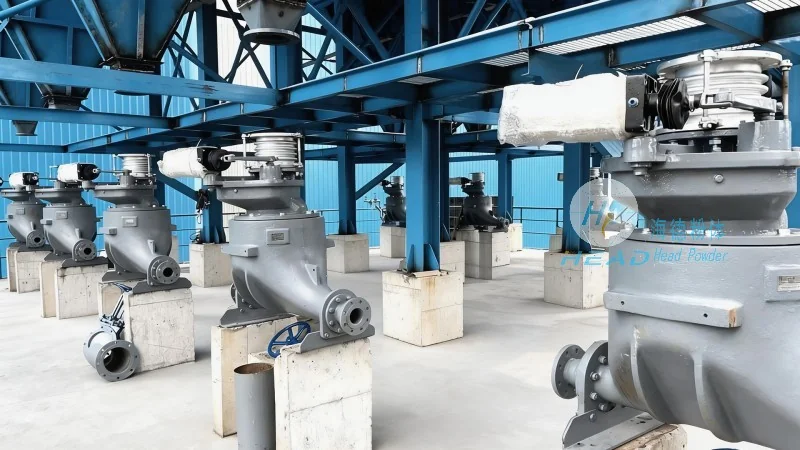
During operation, the system continuously monitors key parameters such as pressure, flow rate, and temperature. Any deviations from the set points are immediately detected by the control system, which can adjust the feeder speed or conveyor speed to maintain stability. This closed-loop control ensures that the conveying process remains efficient and consistent, minimizing downtime and maximizing production output. The dust collection system is also active throughout the process, capturing any airborne particles and preventing their release into the environment.
Advantages of the Barium Carbonate Powder Conveying Line
The barium carbonate powder conveying line offers several advantages over traditional manual handling methods. Firstly, it significantly reduces the risk of dust exposure, which is a major health hazard associated with handling fine powders. The enclosed system and integrated dust collection ensure that the working environment remains safe for operators. Secondly, the automated control system enhances operational efficiency by maintaining consistent flow rates and minimizing material loss. This leads to improved product quality and reduced waste. Additionally, the system is designed for easy maintenance and cleaning, which helps to extend the lifespan of the equipment and reduce downtime.
Conclusion
The barium carbonate powder conveying line is a critical component in the production process of barium carbonate-based products. By integrating advanced mechanical and pneumatic technologies, this system ensures the safe, efficient, and reliable transport of fine powders. Headpowder, with its expertise in powder handling solutions, provides customized conveying lines that meet the specific needs of clients, helping to optimize production processes and enhance overall operational performance. As industries continue to demand higher standards of efficiency and safety, the barium carbonate powder conveying line remains a vital solution for maintaining competitiveness and compliance in the chemical manufacturing sector.




