Understanding the operation process and working principle of purified powder material conveying lines is essential for optimizing industrial material handling systems. These systems are designed to transport fine powders and granular materials with high precision and minimal contamination, making them critical in various industries such as pharmaceuticals, food processing, and chemical manufacturing.
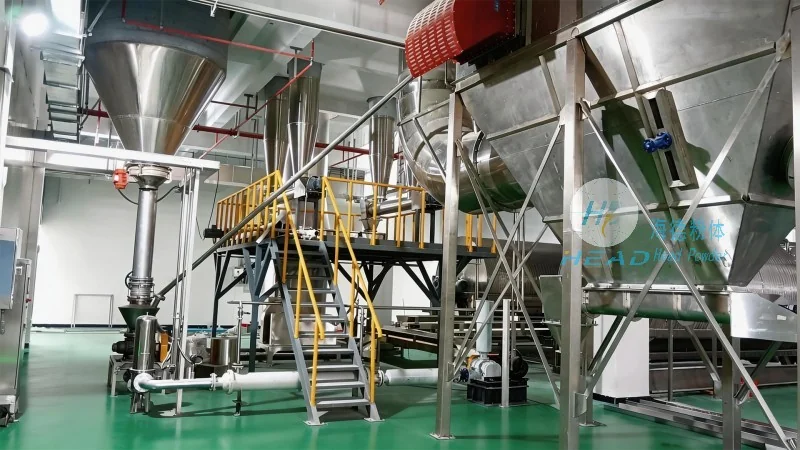
Company Overview: Shandong HeadPowder Engineering Co., Ltd.
HeadPowder, a leading manufacturer in the field of material handling solutions, specializes in developing advanced conveying systems tailored to meet the stringent requirements of modern industrial applications. With a strong commitment to quality and innovation, the company has established itself as a trusted partner for businesses seeking reliable and efficient powder handling equipment. HeadPowder’s headquarters is located in Shandong, China, where the company’s research and development teams continuously work on improving existing technologies and introducing new solutions to enhance operational efficiency.
Key Components of Purified Powder Conveying Lines
The operation of a purified powder material conveying line involves several key components that work in tandem to ensure smooth and controlled material transport. These components include feeders, conveyors, dust collection systems, and control units. Each component plays a crucial role in maintaining the purity and integrity of the powder during the conveying process. For instance, feeders are responsible for accurately metering the material and feeding it into the conveyor system, while conveyors, such as pneumatic or mechanical types, transport the material through the line. Dust collection systems are integrated to capture any airborne particles, preventing contamination and ensuring a clean working environment. Control units manage the entire process, monitoring parameters like pressure, flow rate, and temperature to maintain optimal performance.
Working Principle of the Conveying Process
The working principle of purified powder material conveying lines typically involves the use of air or mechanical forces to move the material. In pneumatic conveying systems, compressed air is used to create a flow that transports the powder through a network of pipes. This method is particularly effective for handling fine powders that are prone to caking or agglomeration. The process begins with the material being fed into a hopper or feeder, where it is then introduced into the conveying line. The air flow, generated by a blower or compressor, carries the powder particles through the system, ensuring consistent and controlled transport. The conveying line may include bends, elbows, and expansion joints to accommodate changes in direction and pressure, maintaining the integrity of the material. At the end of the line, the material is discharged into a collection bin or processing unit, where it is further processed or packaged.
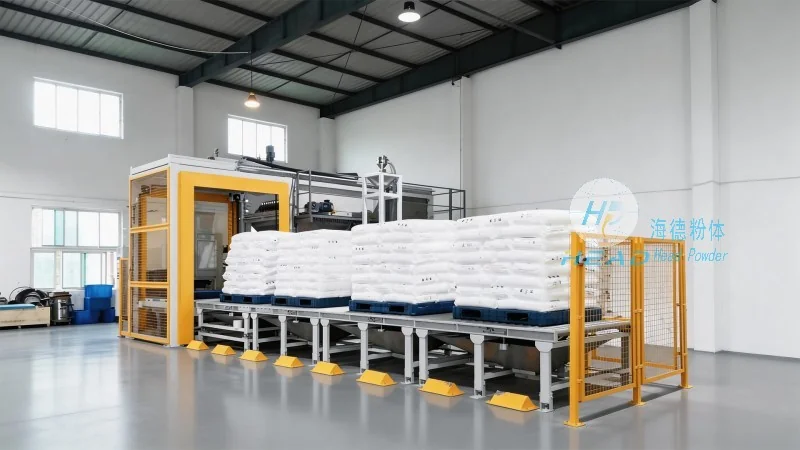
Operation Process: Step-by-Step Guide
The operation process of a purified powder material conveying line can be broken down into several key steps that ensure efficient and reliable material handling. The first step involves preparing the system for operation, which includes checking the integrity of all components, ensuring proper air pressure or mechanical power supply, and verifying the functionality of control units. Once the system is ready, the material is fed into the hopper or feeder at a controlled rate, as determined by the desired flow rate. The conveying system then begins to transport the material through the line, with the control unit monitoring the process in real-time. Any deviations in flow rate or pressure are automatically adjusted to maintain optimal performance. During operation, the dust collection system continuously captures any airborne particles, preventing contamination and maintaining a clean environment. The process continues until the material is fully conveyed to the discharge point, where it is collected and prepared for further processing. After the conveying operation is complete, the system is typically shut down, and any residual material is cleared from the line to prevent clogging or contamination.
Advantages of Purified Powder Conveying Lines
Purified powder material conveying lines offer several advantages over traditional material handling methods, making them a preferred choice for industries that require high-purity materials. One of the key advantages is the ability to maintain the purity of the powder throughout the conveying process, which is critical in applications such as pharmaceuticals and food processing. The use of sealed systems and dust collection reduces the risk of contamination, ensuring that the material remains free from external particles or contaminants. Additionally, these systems offer high efficiency and reliability, with minimal downtime and maintenance requirements. The precise control over flow rate and pressure allows for consistent material transport, reducing variations in product quality. Furthermore, the integration of advanced control units enables real-time monitoring and adjustment, enhancing operational efficiency and reducing waste. The durability and robust design of the conveying components ensure long-term performance, even in harsh industrial environments.
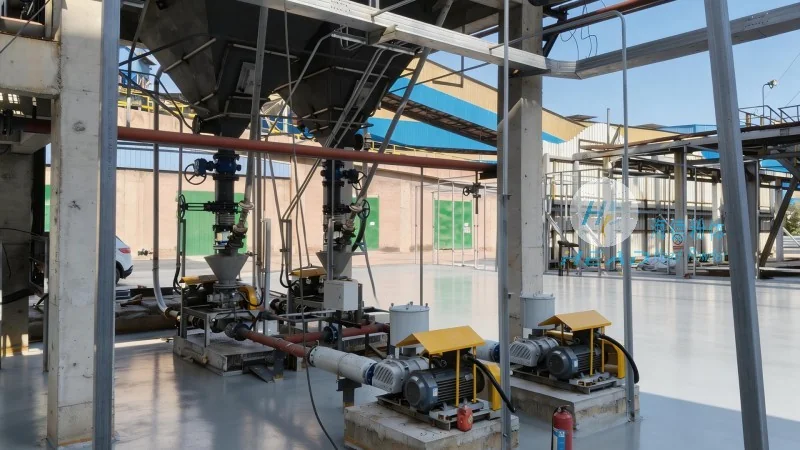
Applications and Industries
Purified powder material conveying lines are widely used in various industries that require the handling of fine powders and granular materials. In the pharmaceutical industry, these systems are used to transport active pharmaceutical ingredients (APIs) and excipients with high precision, ensuring that the final product meets stringent quality standards. The food processing industry utilizes these systems for handling ingredients such as flour, sugar, and spices, maintaining the purity and quality of the food products. In the chemical manufacturing industry, purified powder conveying lines are used to transport raw materials and intermediates, ensuring that the chemical processes are carried out under controlled conditions. Other industries, such as cosmetics and plastics, also benefit from these systems for handling various powders and granules. The versatility and adaptability of purified powder conveying lines make them suitable for a wide range of applications, catering to the specific needs of different industries.
Maintenance and Troubleshooting
Proper maintenance and troubleshooting are essential to ensure the optimal performance and longevity of purified powder material conveying lines. Regular maintenance tasks include checking the condition of conveyor belts or pipes, inspecting the dust collection system for clogs or damage, and verifying the functionality of control units. It is important to follow the manufacturer’s guidelines for maintenance to prevent issues and ensure the system operates efficiently. Common troubleshooting issues may include clogging of the conveying line, which can be caused by material buildup or improper feeding rates. In such cases, the system may need to be shut down and cleared of the accumulated material. Another issue could be a drop in air pressure or flow rate, which may indicate a problem with the blower or compressor. Regular checks of these components can help identify and resolve issues before they cause significant downtime. Additionally, monitoring the temperature and pressure within the system can help detect potential problems early, allowing for timely maintenance and preventing more severe issues.
Future Developments and Innovations
As technology advances, the field of purified powder material conveying lines continues to evolve with new innovations and developments. Manufacturers are focusing on improving the efficiency and reliability of these systems, with a particular emphasis on automation and smart control technologies. The integration of sensors and IoT (Internet of Things) devices allows for real-time monitoring and data collection, enabling predictive maintenance and optimization of the conveying process. Additionally, advancements in materials science are leading to the development of more durable and corrosion-resistant components, enhancing the longevity of the systems. The use of advanced materials, such as food-grade plastics and stainless steel, ensures that the systems can handle a wide range of materials without compromising purity. Furthermore, research is being conducted on more energy-efficient conveying methods, such as low-pressure pneumatic systems, which reduce energy consumption while maintaining performance. These developments are expected to further enhance the capabilities of purified powder conveying lines, making them even more effective and reliable in industrial applications.




