Carbonaceous granular material conveying equipment plays a crucial role in various industrial processes, particularly in the handling and transportation of carbon-based materials. These specialized systems are engineered to efficiently move bulk materials like carbon powders, granules, or other carbonaceous substances from one location to another within manufacturing facilities, processing plants, or storage areas. The design and functionality of such equipment are tailored to meet the unique challenges associated with handling these materials, ensuring reliable and efficient operation.
What Are Carbonaceous Granular Material Conveying Equipment?
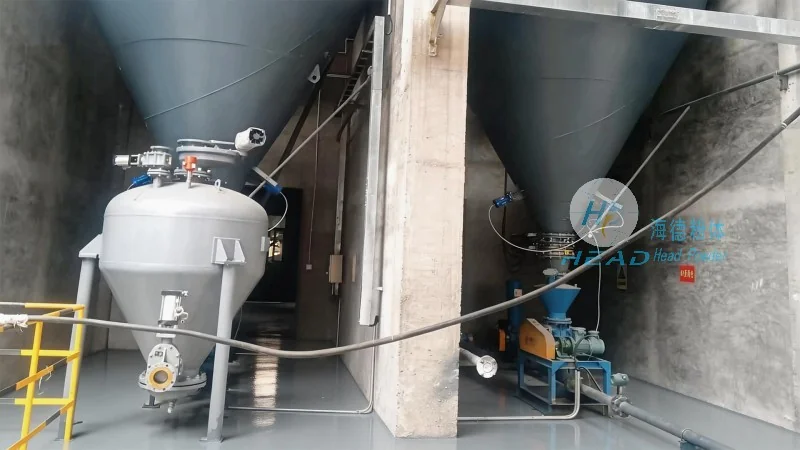
Carbonaceous granular material conveying equipment refers to a range of mechanical and pneumatic systems designed for the transport of carbon-based granular materials. These materials can include carbon black, graphite, activated carbon, and other forms of carbon particles. The primary purpose of these devices is to facilitate the movement of these materials in bulk quantities, often from storage silos or processing units to production lines, packaging areas, or waste disposal sites. The equipment is engineered to handle the specific physical and chemical properties of carbonaceous materials, such as their fine particle size, potential dust generation, and varying flow characteristics.
The Design Principles Behind Carbonaceous Granular Material Conveying Equipment
The design of carbonaceous granular material conveying equipment is guided by several key principles aimed at optimizing performance, safety, and efficiency. First, the equipment must be constructed from materials that are compatible with carbon-based substances, minimizing the risk of contamination or reaction. Common materials include stainless steel, corrosion-resistant alloys, and specialized coatings that resist wear and chemical attack from carbon particles. Second, the design considers the flow characteristics of the material, including its bulk density, angle of repose, and cohesive properties. This ensures that the conveying system can handle the material without excessive pressure or blockages, maintaining consistent throughput.
Third, the design incorporates features to manage dust and prevent environmental contamination. Carbonaceous materials are often fine and can generate significant dust during handling, which poses health and safety risks. Therefore, many conveying systems include dust collection and filtration mechanisms, such as cyclones or bag filters, to capture airborne particles and maintain a clean working environment. Additionally, the equipment is designed with sealing and containment features to prevent material spillage and ensure compliance with environmental regulations.
Key Components and Working Mechanisms
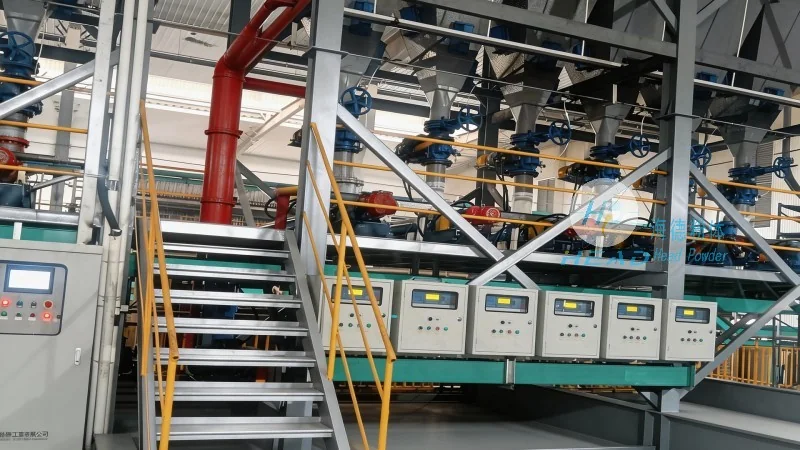
Carbonaceous granular material conveying equipment typically consists of several key components that work in concert to achieve efficient material transport. The main components include a feeding mechanism, a conveying path (either mechanical or pneumatic), and a discharge system. The feeding mechanism, often a hopper or a rotary valve, controls the flow of material into the conveying system, ensuring a consistent and controlled feed rate. The conveying path may be a screw conveyor, a belt conveyor, or a pneumatic pipeline, depending on the specific application and material characteristics.
In mechanical conveying systems, such as screw conveyors, the material is moved by rotating screws that push the granules forward along a trough or tube. The design of the screw, including its pitch and diameter, is critical to achieving the desired conveying speed and minimizing pressure buildup. For pneumatic conveying systems, the material is transported using air or other gases under pressure. The system includes a blower or compressor to generate the necessary airflow, a pipeline to carry the material, and a separator to separate the material from the air at the discharge point. This method is particularly effective for handling fine or dusty carbonaceous materials that are difficult to move mechanically.
Advantages and Applications
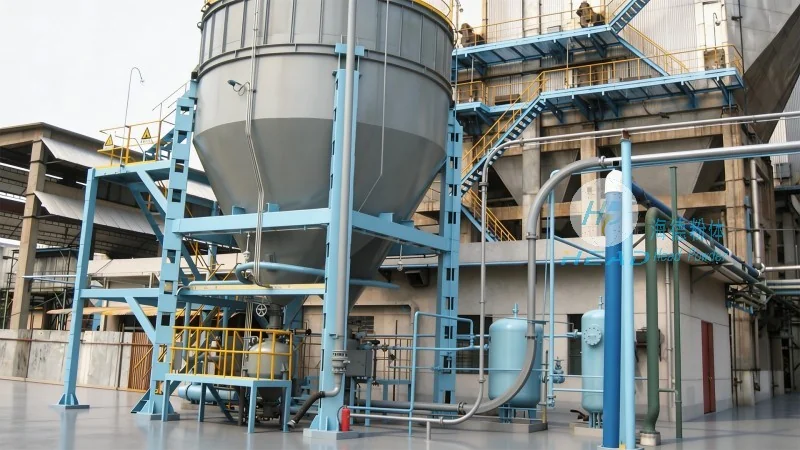
Carbonaceous granular material conveying equipment offers several advantages in industrial applications. These systems provide high throughput and consistent performance, reducing downtime and improving overall operational efficiency. They are also designed to handle the unique challenges of carbon-based materials, such as preventing contamination and managing dust. The equipment is widely used in industries such as carbon manufacturing, battery production, and chemical processing, where the reliable transport of carbon powders and granules is essential for production continuity.
For example, in the production of carbon black, conveying equipment is used to move the fine carbon particles from the reactor to storage silos or packaging lines. In battery manufacturing, activated carbon is conveyed to mixing and processing units to ensure uniform distribution in battery electrodes. The versatility of these systems allows them to be adapted to various production scales, from small-scale laboratory operations to large-scale industrial plants.
Conclusion
Carbonaceous granular material conveying equipment is a vital component in the efficient handling and transportation of carbon-based materials. The design principles, components, and working mechanisms of these systems are carefully engineered to address the unique challenges of carbonaceous substances, ensuring reliable, safe, and efficient operation. As industrial processes continue to evolve, the importance of these conveying systems in maintaining production efficiency and product quality remains paramount. Companies like Shandong HeadPowder Engineering Co., Ltd., based in China, specialize in the design and manufacturing of such equipment, providing tailored solutions to meet the specific needs of various industrial applications.




