A ton bag stainless steel material conveying line is a specialized industrial system designed to transport bulk materials that are packaged in large, heavy-duty bags, commonly known as ton bags or super sacks. These systems are engineered to handle the challenges associated with moving substantial quantities of material, such as powders, granules, or other bulk goods, while maintaining efficiency, safety, and durability. The stainless steel construction of the conveying line ensures resistance to corrosion, making it suitable for a wide range of applications, including food processing, chemical manufacturing, and pharmaceutical industries, where hygiene and material integrity are critical.
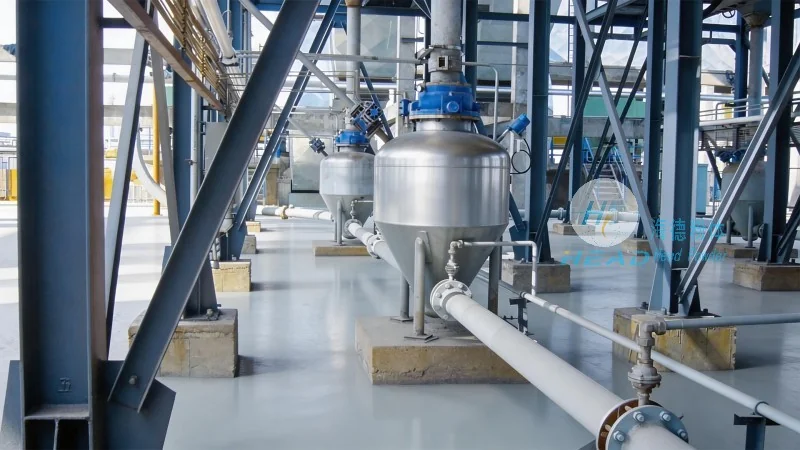
At the core of a ton bag stainless steel material conveying line is a robust framework that supports the entire system. This framework typically includes a combination of stainless steel components, such as frames, supports, and hangers, which are designed to withstand the weight and stress of the ton bags and the materials being transported. The design emphasizes structural integrity to prevent deformation or failure under heavy loads, ensuring reliable operation over extended periods.
The conveying mechanism itself is a key component of the system. Common types of conveying equipment used in ton bag systems include belt conveyors, chain conveyors, and screw conveyors, each chosen based on the specific characteristics of the material being handled—such as bulk density, flowability, and moisture content. For example, belt conveyors are often preferred for lighter, free-flowing materials, while chain conveyors may be more suitable for heavier or more abrasive materials. The stainless steel construction of the conveyor components, including the belts, chains, and idlers, ensures that the system can handle the demands of industrial environments without degradation.
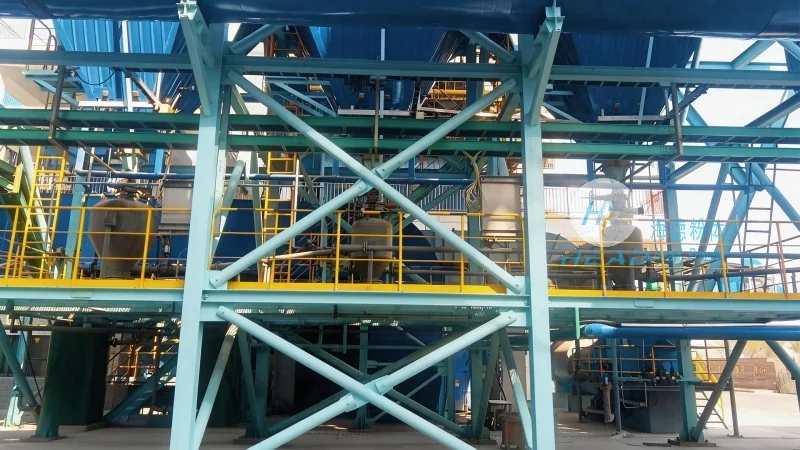
Drive systems are another critical aspect of the design. These systems provide the necessary power to move the ton bags along the conveyor path. They can range from electric motors with gearboxes to more advanced variable frequency drives (VFDs), which allow for precise control of the conveyor speed. The selection of the drive system is influenced by factors like the required speed, load capacity, and energy efficiency. For instance, VFDs enable the conveyor to adjust its speed in response to varying loads, optimizing energy use and reducing wear on components.
Control systems are integrated into the design to manage the operation of the conveying line. These systems typically include sensors, control panels, and automation software that monitor the status of the system, such as the position of the ton bags, the speed of the conveyor, and any potential issues like blockages or overloads. The control system ensures that the conveying line operates smoothly and safely, with the ability to detect and respond to abnormalities in real time. This automation enhances productivity and reduces the risk of accidents or material loss.
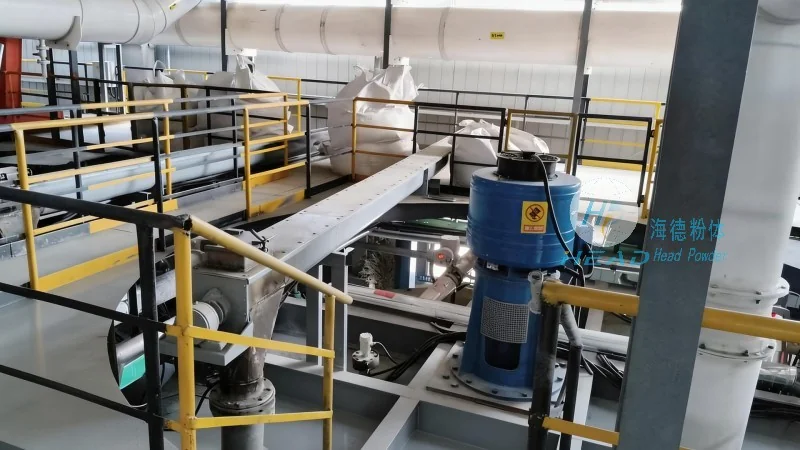
Safety features are an essential part of the design, as handling large ton bags involves significant risks. The system incorporates various safety measures, including emergency stop buttons, safety guards around moving parts, and sensors that detect obstructions or overloads. These features are designed to protect operators and prevent damage to the equipment or the material being transported. Additionally, the stainless steel construction of the safety components ensures that they remain effective even in harsh environments.
Customization is a key feature of ton bag stainless steel material conveying lines, as each application has unique requirements. Shandong HeadPowder Engineering Co., Ltd., a leading manufacturer based in Shandong, China, specializes in designing and manufacturing these systems tailored to the specific needs of clients. The company’s expertise lies in understanding the material characteristics, operational conditions, and safety standards of different industries, allowing them to develop solutions that maximize efficiency and minimize downtime.
The design process for a ton bag stainless steel material conveying line involves a thorough analysis of the client's requirements. This includes assessing the type and quantity of materials to be handled, the desired throughput, the available space, and any specific regulatory or safety requirements. Based on this analysis, the engineers at Shandong HeadPowder Engineering Co., Ltd. design a system that meets all these criteria while ensuring optimal performance and durability. The company uses advanced engineering software and prototyping to validate the design before manufacturing, ensuring that the final product meets the highest standards.
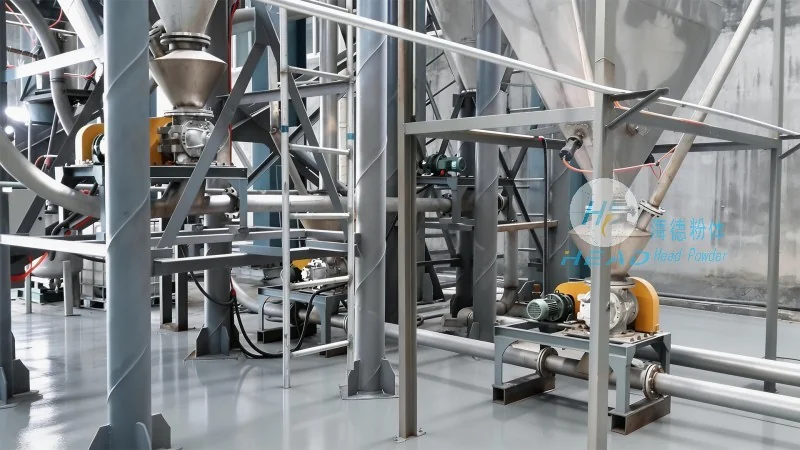
Installation and maintenance are also critical aspects of the system's lifecycle. The stainless steel construction of the conveying line facilitates easy cleaning and maintenance, which is essential for industries where hygiene is paramount. Regular maintenance, such as checking the condition of the belts or chains, lubricating moving parts, and inspecting the control system, is essential to ensure the system operates at peak efficiency. Shandong HeadPowder Engineering Co., Ltd. provides comprehensive maintenance services to its clients, including on-site support and spare parts supply, to minimize downtime and extend the life of the equipment.
In conclusion, a ton bag stainless steel material conveying line is a sophisticated industrial system that combines robust engineering with advanced technology to efficiently transport bulk materials. The design principles, including structural integrity, material compatibility, and safety features, ensure that the system can handle the demands of various industries while maintaining high performance and reliability. With the expertise of manufacturers like Shandong HeadPowder Engineering Co., Ltd., these systems can be customized to meet the specific needs of any application, providing a cost-effective and efficient solution for material handling.




