Understanding the operation process and working principle of ternary lithium material conveying lines is crucial for optimizing material handling efficiency in lithium battery production facilities. These systems are designed to transport raw materials, intermediate products, and finished components with precision and reliability, ensuring smooth workflow and high productivity. This article provides a detailed overview of the key components, operational steps, and technical principles that govern the functionality of such conveying lines, with a focus on the expertise of Shandong HeadPowder Engineering Co., Ltd., a leading provider in the field.
Introduction to Ternary Lithium Material Conveying Lines
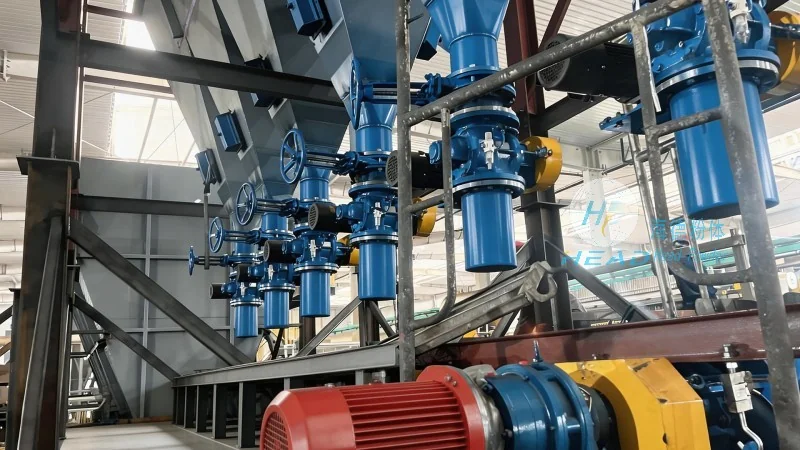
Ternary lithium material conveying lines are specialized industrial systems engineered to handle the transportation of materials involved in the production of ternary lithium batteries. These batteries, known for their high energy density and performance, rely on efficient material handling to maintain quality and consistency. The conveying lines typically integrate various components such as feeders, conveyors, storage bins, and control systems to ensure seamless material flow from raw material input to final product output. By understanding the structure and operation of these lines, manufacturers can enhance operational efficiency, reduce downtime, and improve overall production output.
Key Components of the Ternary Lithium Material Conveying Line
The ternary lithium material conveying line consists of several critical components that work in tandem to achieve effective material handling. The primary components include raw material feeders, which introduce materials like lithium cobalt oxide (LCO), lithium nickel manganese cobalt oxide (NMC), or other ternary lithium compounds into the system. These feeders are often equipped with adjustable speed controls to regulate the flow rate based on production requirements. Next, the conveying system, which may include belt conveyors, screw conveyors, or pneumatic conveyors, transports the materials through the production facility. Storage bins or hoppers are integrated to temporarily hold materials, ensuring a steady supply to downstream processing units. Additionally, the line incorporates control panels and sensors that monitor the system's performance, detect anomalies, and adjust operations as needed. Each component is meticulously designed to handle the specific characteristics of ternary lithium materials, such as their fine particle size and potential reactivity, to prevent material degradation or safety hazards.
Operation Process of the Ternary Lithium Material Conveying Line
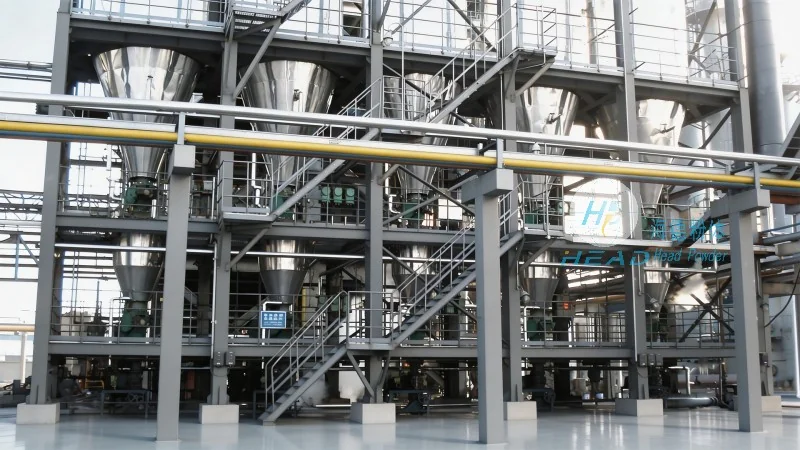
The operation of a ternary lithium material conveying line follows a systematic sequence of steps to ensure efficient material movement. The process begins with the loading of raw materials into the feeders, which are typically located near the material storage area. The feeders then discharge the materials into the primary conveyor, which transports them to the first processing stage. As the materials move through the conveying line, they may undergo intermediate processing, such as mixing or screening, to achieve the desired composition and particle size. The conveying system ensures that materials are evenly distributed and transported at a consistent speed, minimizing the risk of clogging or uneven flow. At key points in the line, sensors and monitoring devices check the material level, flow rate, and temperature to maintain optimal conditions. The final stage of the operation involves delivering the processed materials to the next production unit or storage area, completing the material handling cycle. The entire process is controlled by a centralized system that coordinates the operation of all components, ensuring synchronization and reliability.
Working Principle of the Ternary Lithium Material Conveying Line
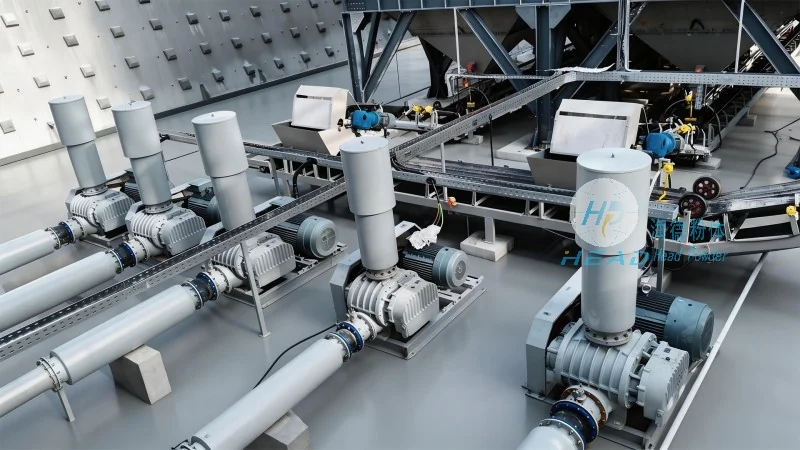
The working principle of the ternary lithium material conveying line is based on mechanical and pneumatic systems that facilitate the movement of materials. The primary mechanism involves the use of conveyors, which use gravity, mechanical force, or air pressure to transport materials. For example, belt conveyors use rotating rollers to move materials along a path, while screw conveyors utilize a rotating screw to push materials forward. Pneumatic conveyors, on the other hand, use compressed air to transport materials through a pipeline, which is particularly effective for fine powders. The control system plays a vital role in regulating the operation of these components, adjusting speed, pressure, and flow rate based on real-time data from sensors. This feedback loop ensures that the conveying line operates efficiently and safely, adapting to changes in production demand or material characteristics. The integration of advanced control technologies, such as PLC (Programmable Logic Controller) systems, allows for precise management of the conveying process, minimizing energy consumption and maximizing productivity. Additionally, the system incorporates safety features, such as emergency stop buttons and material detection sensors, to prevent accidents and ensure compliance with industry standards.
Role of Shandong HeadPowder Engineering Co., Ltd. in Ternary Lithium Material Conveying Lines
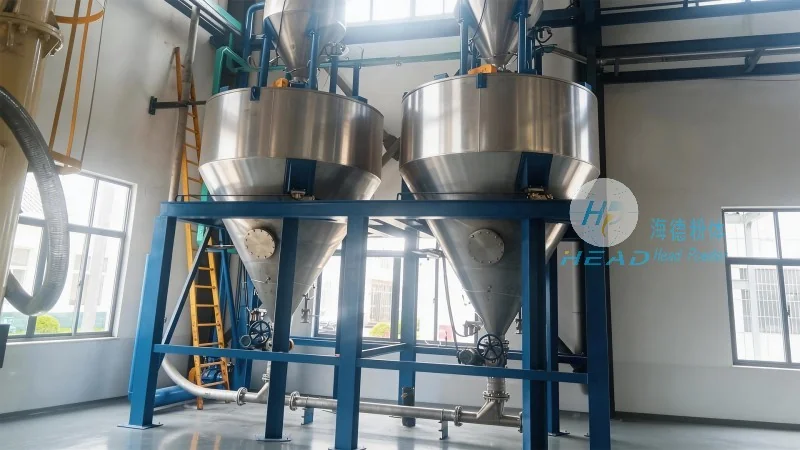
Shandong HeadPowder Engineering Co., Ltd., commonly known as HeadPowder, is a leading manufacturer and supplier of material handling systems, including ternary lithium material conveying lines. With a strong presence in China, particularly in Shandong, the company specializes in designing, manufacturing, and installing customized conveying solutions tailored to the specific needs of lithium battery manufacturers. HeadPowder's expertise lies in understanding the unique requirements of ternary lithium materials, such as their fine particle size, reactivity, and handling challenges. The company employs advanced engineering techniques and quality control measures to ensure that its conveying lines meet the highest standards of performance, reliability, and safety. By leveraging its experience and technical capabilities, HeadPowder provides comprehensive solutions that enhance the efficiency and productivity of lithium battery production facilities. The company's commitment to innovation and customer satisfaction has made it a trusted partner for many leading manufacturers in the industry.
Benefits of Using Ternary Lithium Material Conveying Lines
Implementing ternary lithium material conveying lines offers numerous benefits for lithium battery manufacturers. These systems significantly improve material handling efficiency by reducing manual labor and minimizing the risk of material loss or contamination. The automated operation of the conveying line ensures consistent material flow, which is critical for maintaining product quality and meeting production targets. Additionally, the integration of advanced control systems allows for real-time monitoring and adjustment, enabling manufacturers to respond quickly to changes in production demand or material availability. The use of specialized components, such as dust-proof and explosion-proof designs, enhances safety in handling potentially hazardous materials. Furthermore, the modular design of the conveying lines allows for easy expansion or modification as production needs evolve, providing long-term value and flexibility. Overall, the adoption of ternary lithium material conveying lines contributes to cost savings, increased productivity, and improved overall operational performance in lithium battery manufacturing.
Conclusion
In conclusion, the operation process and working principle of ternary lithium material conveying lines are complex yet essential for the efficient production of lithium batteries. These systems integrate advanced components and control technologies to ensure the reliable and safe handling of ternary lithium materials. The expertise of companies like Shandong HeadPowder Engineering Co., Ltd. plays a crucial role in designing and implementing effective conveying solutions that meet the specific needs of manufacturers. By understanding the key components, operational steps, and technical principles of these lines, lithium battery producers can optimize their material handling processes, enhance productivity, and maintain high product quality. The continuous advancement of material handling technologies will further improve the efficiency and sustainability of lithium battery production, supporting the growing demand for these energy storage devices.




