For industrial applications requiring efficient and reliable material handling, polypropylene powder pneumatic conveying systems offer a robust solution. These systems are designed to transport polypropylene powder through a network of pipes using compressed air or other gas streams, ensuring safe and efficient material movement. The operation process and working principle of such systems are critical for understanding their performance and suitability in various industrial settings.
Understanding the Core Components and Functionality
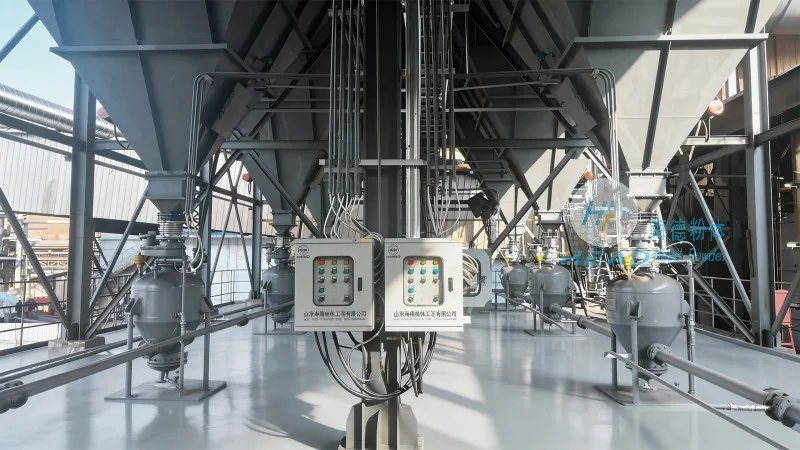
The polypropylene powder pneumatic conveying system consists of several key components that work in tandem to achieve effective material transport. These components include the material hopper, which stores the polypropylene powder; the air compressor or blower that generates the necessary airflow; the conveying pipes that transport the powder; and the control system that regulates the flow rate and pressure. Each component plays a vital role in ensuring the system operates smoothly and efficiently.
Operation Process: Step-by-Step Overview
The operation of a polypropylene powder pneumatic conveying system typically follows a sequential process. First, the polypropylene powder is loaded into the material hopper. The control system then activates the air compressor, which generates a high-pressure air stream. This air stream is introduced into the conveying pipes, creating a pressure differential that draws the powder particles into the system. As the air and powder mixture travels through the pipes, the powder is carried to the destination point, such as a storage silo or processing unit. The system then adjusts the airflow and pressure to maintain consistent material flow, preventing clogging or loss of material.
Working Principle: How Pneumatic Conveying Works
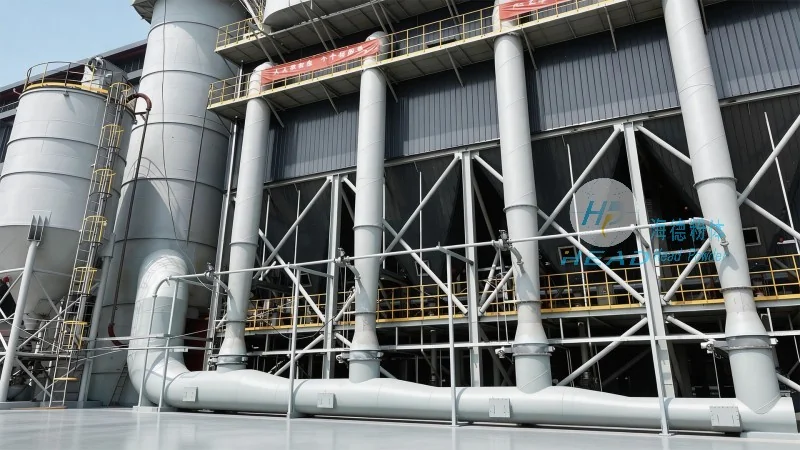
The working principle of a polypropylene powder pneumatic conveying system is based on the principles of fluid dynamics and particle transport. When compressed air is introduced into the conveying pipe, it creates a low-pressure zone that pulls the polypropylene powder particles into the air stream. The powder particles are then suspended and transported along with the air, moving through the system. The velocity of the air and the size of the powder particles determine the efficiency of the conveying process. Proper design of the system, including pipe diameter, air velocity, and pressure, is essential to ensure optimal performance and prevent issues such as particle segregation or system blockages.
Key Advantages of Polypropylene Powder Pneumatic Conveying Systems
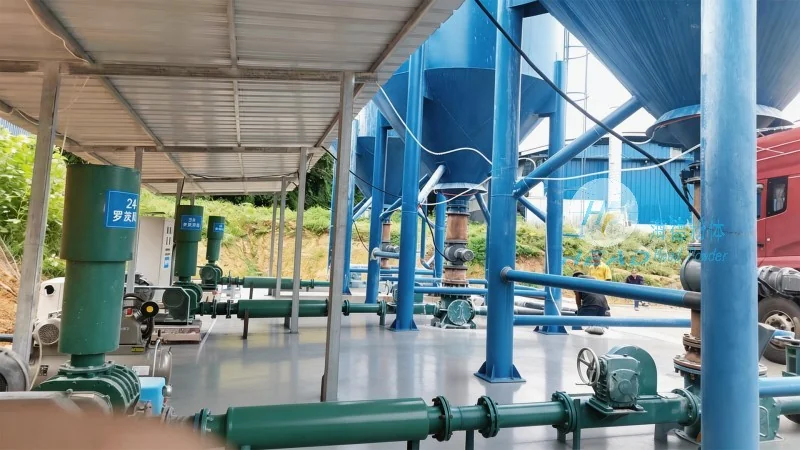
Implementing a polypropylene powder pneumatic conveying system offers several advantages for industrial operations. These systems provide a dust-free and enclosed environment, reducing the risk of dust exposure and improving workplace safety. They also enable continuous and automated material handling, increasing productivity and reducing labor costs. Additionally, pneumatic conveying systems are flexible and can be easily integrated with existing industrial processes, allowing for seamless material transfer between different equipment and locations.
About Shandong HeadPowder Engineering Co., Ltd.
Shandong HeadPowder Engineering Co., Ltd., operating under the brand name headpowder, is a leading manufacturer and supplier of advanced material handling solutions. With a focus on innovation and quality, the company specializes in designing and manufacturing polypropylene powder pneumatic conveying systems tailored to the specific needs of various industries. Headpowder's expertise in engineering and material science ensures that their systems are reliable, efficient, and compliant with industry standards. The company's facilities are located in Shandong, China, where they leverage local resources and expertise to deliver high-quality products and services to clients worldwide.




