Efficient and reliable material handling is a critical aspect of modern industrial operations, particularly when dealing with fine powders such as electrolytes. The pneumatic conveying system, specifically designed for powdered electrolytes, offers a sophisticated solution that combines advanced engineering with practical application. This article delves into the operation process and working principle of such a system, highlighting its key components, operational flow, and the technical advantages it provides.
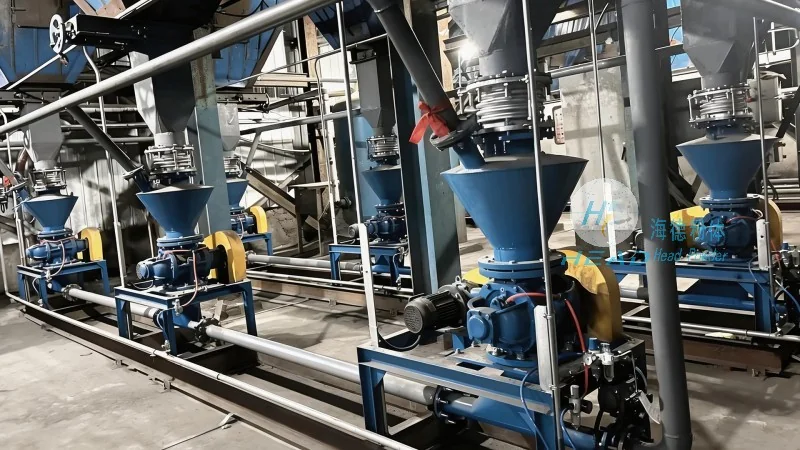
Overview of the Powdered Electrolyte Pneumatic Conveying System
The system is engineered to transport fine powders like electrolytes from a source to a destination, typically over short to medium distances, with minimal loss and maximum efficiency. It operates on the principle of using compressed air or gas to move the material through a pipeline network. The design incorporates various components that work in tandem to ensure smooth and consistent material transfer, including a hopper, feeder, air compressor, conveying line, and a receiver or discharge unit.
Key Components and Their Functions
Each component plays a vital role in the system's performance. The hopper serves as the storage and feeding unit, holding the powdered electrolyte and providing a controlled discharge through a feeder. The feeder, often a rotary valve or a screw feeder, regulates the flow rate of the material into the conveying line, preventing clogging and ensuring a steady supply. The air compressor generates the necessary pressure to create the air stream that propels the powder particles. The conveying line, made of durable materials resistant to corrosion and abrasion, transports the mixture of air and powder. Finally, the receiver or discharge unit collects the material at the end of the line, separating it from the air and preparing it for further processing.
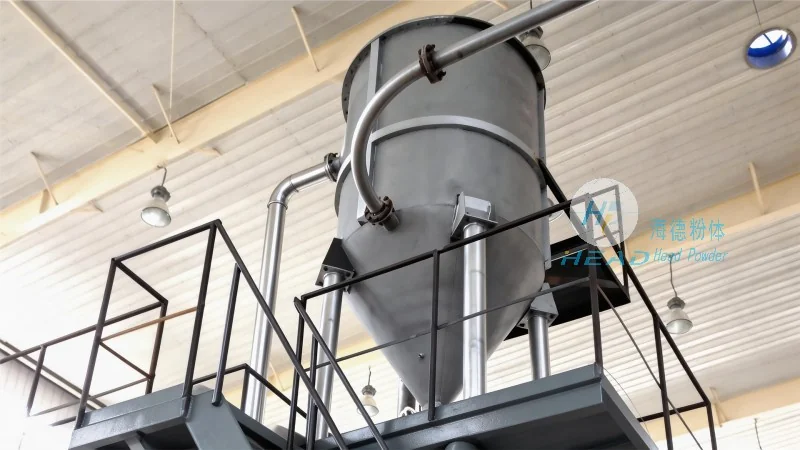
Operation Process: Step-by-Step Explanation
The operation of the system follows a sequential process that ensures optimal performance. First, the powdered electrolyte is loaded into the hopper. The feeder then controls the discharge rate, feeding the material into the conveying line. Simultaneously, the air compressor supplies compressed air, which is introduced into the line at a specific point. The air stream, moving at high velocity, entrains the powder particles and carries them through the pipeline. As the mixture travels, the air and powder separate at the receiver, where the air is typically vented or recycled, and the powder is collected. This process is continuous, allowing for a steady flow of material from the source to the destination.
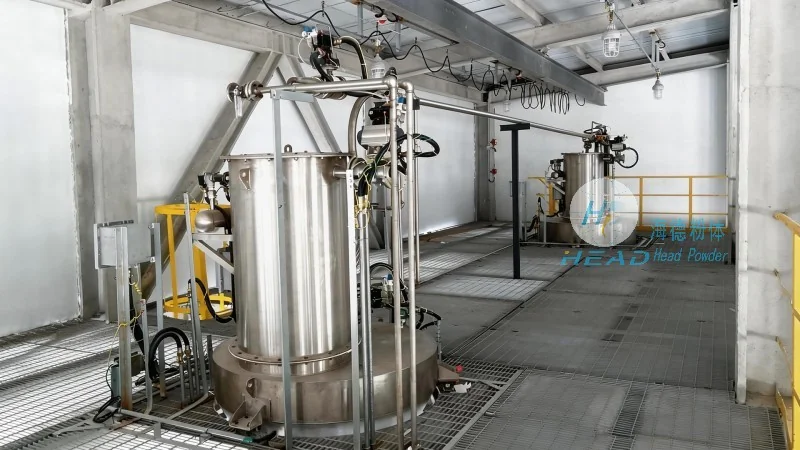
Working Principle: The Physics Behind Pneumatic Conveying
The working principle of the system is based on fluid dynamics and particle motion. When compressed air is introduced into the conveying line, it creates a low-pressure zone that draws the powder particles into the air stream. The velocity of the air is crucial; it must be sufficient to overcome the gravitational force and the drag forces acting on the particles. The system utilizes different conveying modes, such as dilute phase (where particles are suspended in the air) or dense phase (where particles are more concentrated), depending on the material properties and the required flow rate. The choice of mode affects the system's efficiency, energy consumption, and the risk of particle degradation or segregation.
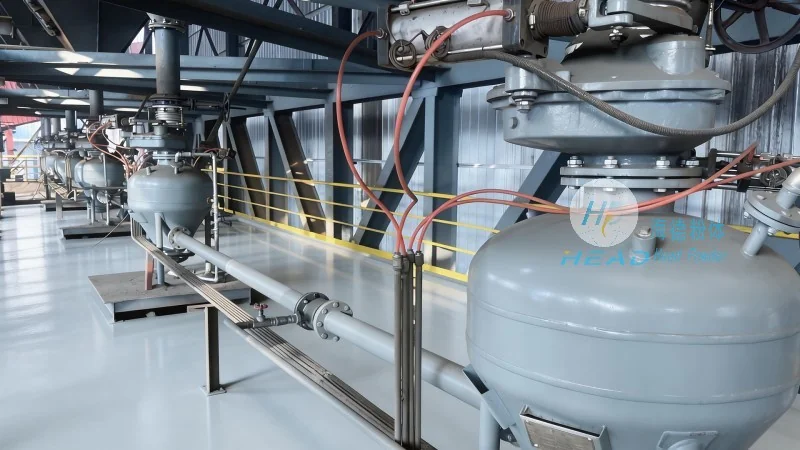
Advantages of the Powdered Electrolyte Pneumatic Conveying System
Implementing this system offers several advantages for industrial applications. It provides a dust-free and hygienic method of material handling, which is essential for products like electrolytes that require strict quality control. The system is also flexible, allowing for changes in the conveying distance or flow rate without major modifications. Additionally, it reduces the need for manual handling, enhancing workplace safety and reducing labor costs. The compact design of the system makes it suitable for installation in various industrial settings, from manufacturing plants to processing facilities.
Application Scenarios and Industry Impact
The powdered electrolyte pneumatic conveying system is widely used in industries that handle fine powders, including chemical manufacturing, battery production, and food processing. In battery production, for example, the system efficiently transports electrolyte powders to the mixing and casting stages, ensuring consistent quality and reducing waste. In chemical manufacturing, it facilitates the transfer of reactive powders while maintaining safety protocols. The system's ability to handle sensitive materials without degradation makes it a preferred choice for industries where product integrity is paramount.




