HeadPowder, a leading provider of industrial material handling solutions, specializes in the design, manufacturing, and installation of advanced pneumatic conveying systems. Based in Shandong, China, the company has established itself as a trusted partner for businesses requiring efficient and reliable transport of bulk materials like quartz sand powder. This article delves into the operational process and underlying principles of a typical quartz sand powder pneumatic conveying line, highlighting the key components, flow mechanisms, and performance characteristics that define such systems.
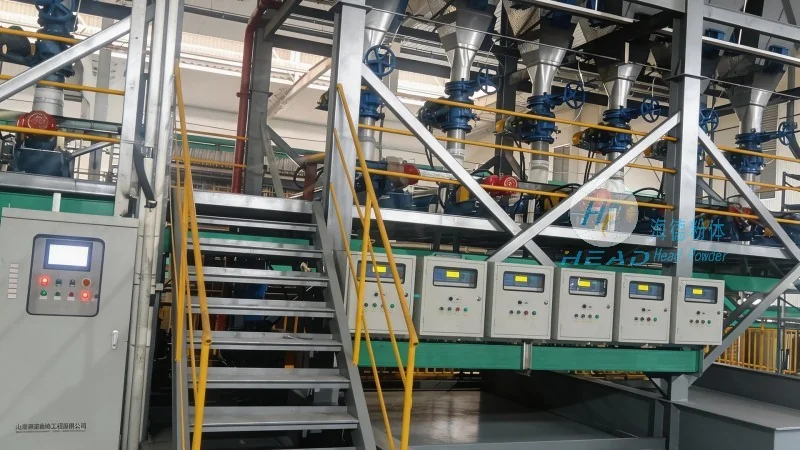
Overview of Quartz Sand Powder Pneumatic Conveying Systems
A quartz sand powder pneumatic conveying line is a closed-loop system engineered to transport dry, fine-grained materials such as quartz sand through a network of pipes using compressed air or other gas streams. The primary goal is to move the material from a source point (e.g., a storage silo or hopper) to a destination point (e.g., a processing unit or packaging station) with minimal loss, contamination, and energy consumption. These systems are widely used in industries like mining, construction, and chemical processing due to their ability to handle abrasive and dusty materials without the need for mechanical components like belts or buckets.
Key Components of the Pneumatic Conveying Line
The operation of a quartz sand powder pneumatic conveying line relies on several critical components, each playing a specific role in the material transport process. The main components include:
- Material Hopper or Silo: This is the initial storage unit where quartz sand powder is held before being fed into the system. The hopper is typically equipped with a feeder mechanism (e.g., a rotary valve or screw feeder) to control the flow rate of the material into the conveying line.
- Feeder: The feeder regulates the quantity of quartz sand powder entering the conveying line, ensuring a consistent and controlled flow. This component is crucial for maintaining system stability and preventing blockages or surges.
- Conveying Pipe: The main pipeline through which compressed air and the quartz sand powder mixture travel. The pipe is usually made of durable materials like stainless steel or PVC to withstand the abrasive nature of the quartz sand and the pressure of the air stream.
- Compressor or Air Blower: This unit generates the necessary pressure and airflow to move the material through the pipe. The choice of compressor (e.g., positive displacement or centrifugal) depends on the system's capacity, material characteristics, and operating pressure requirements.
- Control Valves and Regulators: These components manage the air pressure, flow rate, and direction within the system. They allow for adjustments to optimize performance, such as reducing energy consumption or preventing backflow.
- Receiver or Discharge Hopper: The final storage or processing unit where the quartz sand powder is deposited after being conveyed. The receiver may include a dust collection system to capture any airborne particles and ensure environmental compliance.
The Operational Process of the Pneumatic Conveying Line
The operational process of a quartz sand powder pneumatic conveying line involves a series of sequential steps that ensure efficient material transport. The process typically begins with the quartz sand powder being discharged from the storage hopper into the feeder. The feeder then regulates the flow rate, delivering a steady stream of material into the conveying pipe.
Simultaneously, the compressor or air blower generates compressed air, which is introduced into the conveying pipe at a specific pressure. The air stream, moving at high velocity, entrains the quartz sand powder particles, forming a slurry-like mixture known as a "pneumatic stream." This mixture travels through the pipe under the force of the air, with the air pressure and velocity controlling the speed and distance of the transport.
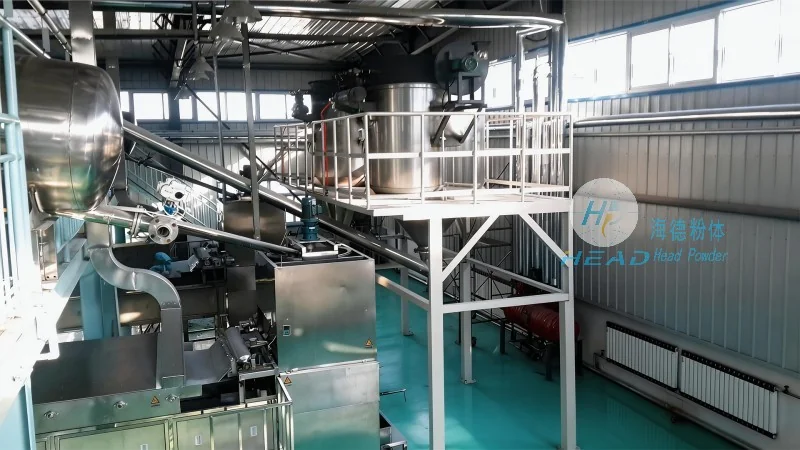
As the mixture moves through the conveying line, it may encounter various components such as bends, expansions, or reductions in pipe diameter. These elements are designed to minimize pressure loss and maintain the stability of the material-air mixture. The system may also include check valves or flow control devices to prevent backflow and ensure unidirectional movement.
Upon reaching the receiver or discharge hopper, the compressed air is separated from the quartz sand powder. This separation is typically achieved through a cyclone separator or a filter system, where the air is released back into the atmosphere or recirculated, while the material is collected in the hopper for further processing or packaging.
Working Principle of the Pneumatic Conveying System
The working principle of a quartz sand powder pneumatic conveying line is based on the fundamental concept of fluidization and pneumatic transport. The key principle is that the material particles are suspended and transported by the air stream, rather than being pushed or pulled mechanically. This principle allows for a flexible and efficient system that can handle a wide range of material properties and transport distances.
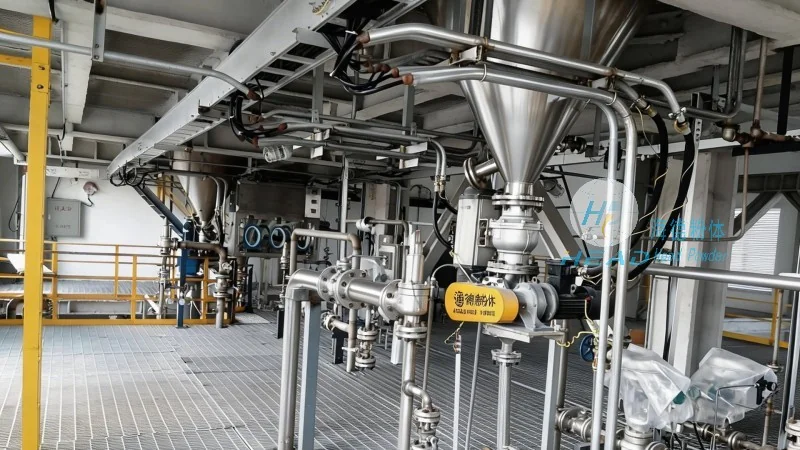
When compressed air is introduced into the conveying pipe, it creates a low-pressure zone within the pipe, which draws the quartz sand powder from the feeder into the air stream. The air velocity must be sufficient to overcome the gravitational force acting on the particles and to provide the necessary lift force to keep them suspended. The particle size, density, and moisture content of the quartz sand powder influence the required air velocity and pressure, as these factors affect the drag force and the stability of the mixture.
The system operates on the principle of "air-assisted transport," where the air serves as both the medium for conveying and the energy source. The energy required to move the material is supplied by the compressor, and the efficiency of the system depends on how effectively this energy is converted into the kinetic energy of the material-air mixture. Proper design of the system, including the pipe diameter, air velocity, and pressure, is critical to achieving optimal performance and minimizing energy consumption.
Performance Considerations and Optimization
Several factors influence the performance of a quartz sand powder pneumatic conveying line, including the material characteristics, system design, and operating conditions. HeadPowder emphasizes the importance of optimizing these factors to ensure reliable and efficient operation. Key performance considerations include:
- Material Properties: The size distribution, density, and moisture content of the quartz sand powder affect the system's capacity and energy requirements. Coarser or denser materials may require higher air pressure and velocity to maintain stable transport.
- System Pressure and Velocity: The air pressure and velocity must be carefully controlled to prevent material degradation (e.g., attrition or agglomeration) and to minimize pressure losses due to pipe friction and bends.
- Pipe Diameter and Length: The diameter of the conveying pipe is determined by the material flow rate and air velocity, while the length of the line affects the overall pressure drop. Proper sizing ensures that the system operates within its design limits and avoids excessive energy consumption.
- Energy Efficiency: Modern pneumatic conveying systems are designed to maximize energy efficiency by using high-efficiency compressors, optimizing air flow, and minimizing pressure losses. HeadPowder's systems incorporate advanced control technologies to adjust the air pressure and flow rate based on real-time demand, reducing energy waste.
Conclusion
Quartz sand powder pneumatic conveying lines are sophisticated industrial systems that combine advanced engineering with efficient material handling principles. The operation process, which involves the coordinated action of various components, ensures the reliable transport of quartz sand powder from source to destination. The working principle, based on pneumatic transport and fluidization, allows for a flexible and low-maintenance solution compared to traditional mechanical conveying methods. As a leading provider of such systems, HeadPowder continues to innovate and optimize its designs to meet the evolving needs of industries requiring efficient and reliable bulk material transport. By understanding the operational process and working principles, businesses can make informed decisions about implementing or upgrading their pneumatic conveying systems to enhance productivity and reduce operational costs.




