Shandong HeadPowder Engineering Co., Ltd., a leading manufacturer in the field of powder processing equipment, specializes in the design, production, and installation of advanced pneumatic conveying systems. This article provides a detailed overview of the operation process and working principle of a pneumatic conveying line specifically designed for sodium fluorosilicate material, a critical component in various industrial applications such as water treatment, glass manufacturing, and chemical production.
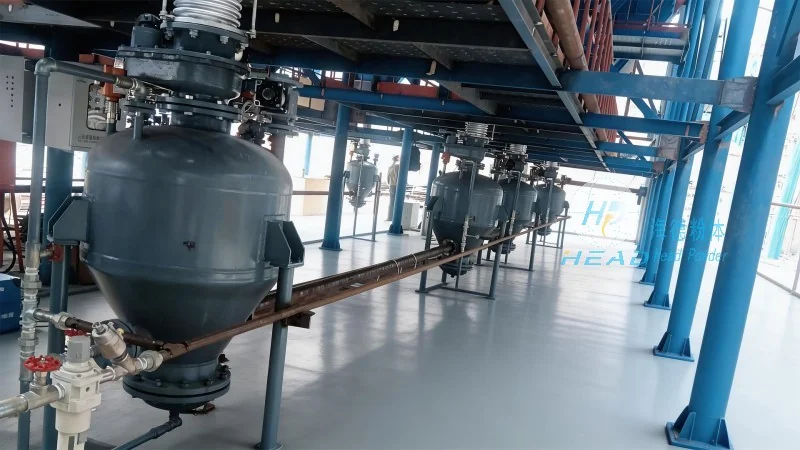
Product Overview: The Pneumatic Conveying System for Sodium Fluorosilicate
Our pneumatic conveying line for sodium fluorosilicate material is engineered to handle the unique properties of this chemical, including its fine particle size, hygroscopic nature, and potential for dust generation. The system is built with high-quality materials, such as stainless steel and corrosion-resistant components, to ensure durability and long-term performance in demanding industrial environments. The design incorporates advanced control systems and safety features, meeting international standards for industrial equipment.
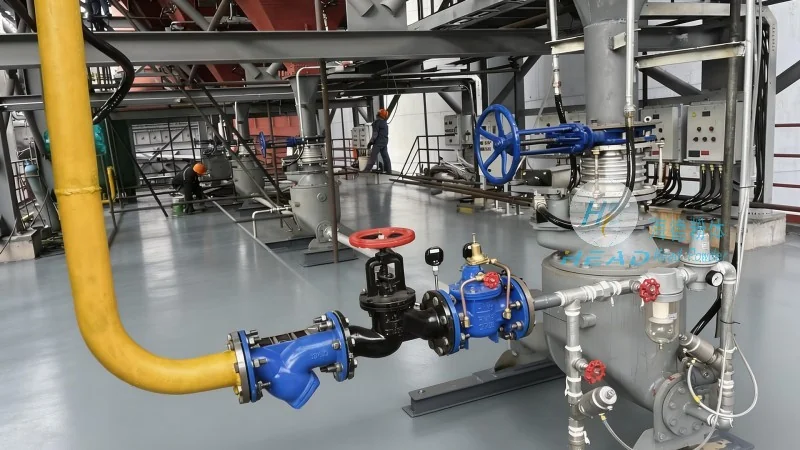
Operation Process of the Pneumatic Conveying Line
The operation of the sodium fluorosilicate material pneumatic conveying line involves several key steps. First, the material is fed into the hopper, where it is stored and prepared for transport. The hopper is equipped with a feeder, typically a rotary valve or a screw feeder, which regulates the flow of material into the conveying line. As the material enters the line, it is carried by a stream of compressed air or gas, which propels the particles through the pipeline. The conveying line consists of a series of pipes, bends, and elbows, all designed to minimize pressure loss and ensure efficient material transport. At the receiving end, the material is deposited into a storage tank or processing unit, completing the conveying process.
Working Principle of the Pneumatic Conveying System
The core of the pneumatic conveying system is the use of air or gas to transport solid particles. The system operates on the principle of fluidization, where the air flow creates a suspension of the material particles in the gas stream. This suspension allows the particles to be moved through the pipeline with minimal friction and resistance. The system is typically classified as either positive pressure or negative pressure, depending on the direction of the air flow. In positive pressure systems, air is forced into the line, pushing the material forward. In negative pressure systems, air is drawn out of the line, creating a vacuum that pulls the material. For sodium fluorosilicate, a positive pressure system is often preferred due to the material's tendency to generate dust and the need for a controlled environment.
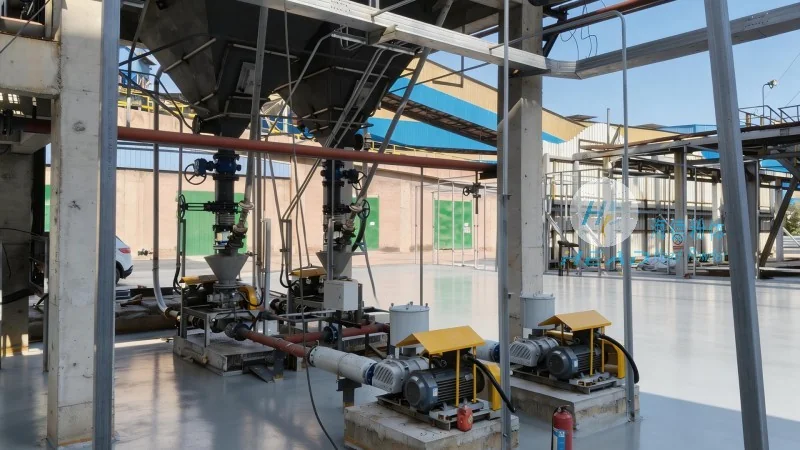
Advantages of the Pneumatic Conveying Line
The pneumatic conveying line for sodium fluorosilicate material offers several advantages over traditional methods such as belt conveyors or bucket elevators. It provides a dust-free and enclosed transport process, which is crucial for maintaining product quality and safety in industrial settings. The system is also highly efficient, with the ability to transport material over long distances with minimal energy consumption. Additionally, the system is flexible and can be easily integrated with other processing equipment, such as mixers, reactors, and storage tanks. The low maintenance requirements and long service life of the equipment make it a cost-effective solution for industrial applications.




