Urea granule material pneumatic conveying lines are essential equipment in modern industrial processes, particularly in the fertilizer and chemical industries. These systems are designed to transport urea granules efficiently and safely over long distances. The technology behind these lines combines pneumatic principles with advanced engineering to ensure reliable material handling. As a leading manufacturer, Shandong HeadPowder Engineering Co., Ltd. specializes in developing and supplying high-quality pneumatic conveying solutions tailored to the specific needs of various industrial applications.
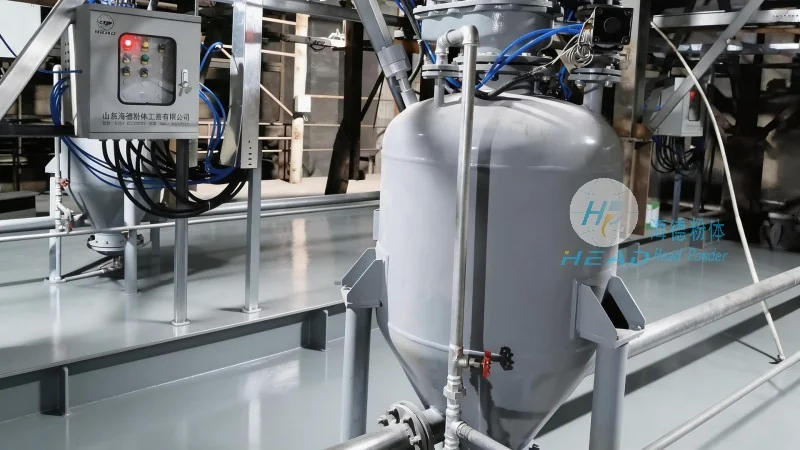
Company Overview: Shandong HeadPowder Engineering Co., Ltd.
Headpowder, as the company is commonly known, is a reputable enterprise based in Shandong, China. With years of experience in the field of material handling equipment, the company has established itself as a trusted provider of pneumatic conveying systems. The company's commitment to quality, innovation, and customer satisfaction has enabled it to serve a wide range of industries, including agriculture, chemical manufacturing, and food processing. Headpowder's expertise lies in designing and manufacturing customized pneumatic conveying lines that meet the unique requirements of each client, ensuring optimal performance and durability.
Key Components of a Urea Granule Pneumatic Conveying System
A typical urea granule pneumatic conveying line consists of several key components that work in harmony to achieve efficient material transport. These components include the hopper for material storage, the feeder to control the flow rate, the conveying pipeline, the air compressor or blower to generate the necessary air pressure, and the receiver for the discharged material. Each component plays a critical role in the overall operation of the system, and their proper integration is essential for reliable performance.
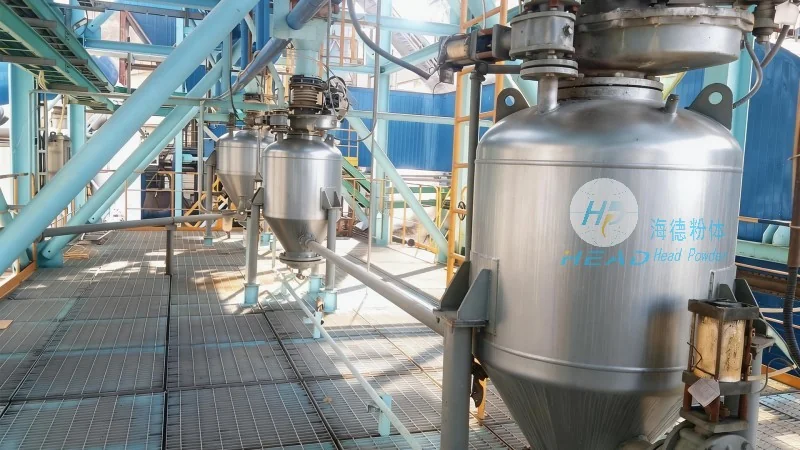
Operation Process of the Urea Granule Pneumatic Conveying Line
The operation of a urea granule pneumatic conveying line involves a series of steps that ensure the smooth and continuous transport of material. The process begins with the loading of urea granules into the hopper. The feeder then regulates the flow of material into the conveying pipeline, ensuring a consistent feed rate. Simultaneously, the air compressor or blower generates high-pressure air, which is introduced into the pipeline. The air and material mixture travels through the pipeline, with the air providing the necessary force to move the granules. The material is then discharged into the receiver at the end of the line. Throughout the process, the system maintains a controlled air pressure and flow rate to prevent blockages and ensure efficient transport. The operation is typically automated, with sensors and controls monitoring the system's performance and adjusting parameters as needed to maintain optimal operation.
Working Principle of Pneumatic Conveying for Urea Granules
The working principle of a urea granule pneumatic conveying line is based on the principles of fluid dynamics and particle transport. The system operates by creating a pressure differential between the hopper and the receiver. The air compressor or blower generates a high-pressure air stream that entrains the urea granules, forming a slurry-like mixture. As the mixture moves through the pipeline, the air provides the kinetic energy required to overcome the gravitational and frictional forces acting on the granules. The conveying velocity and pressure are carefully controlled to ensure that the granules are transported without causing excessive wear on the equipment or blockages in the pipeline. The system's design, including the pipeline diameter, length, and bends, is optimized to minimize pressure losses and maximize efficiency. The use of appropriate air velocities and pressure levels ensures that the urea granules are conveyed safely and efficiently, with minimal degradation or loss of material.
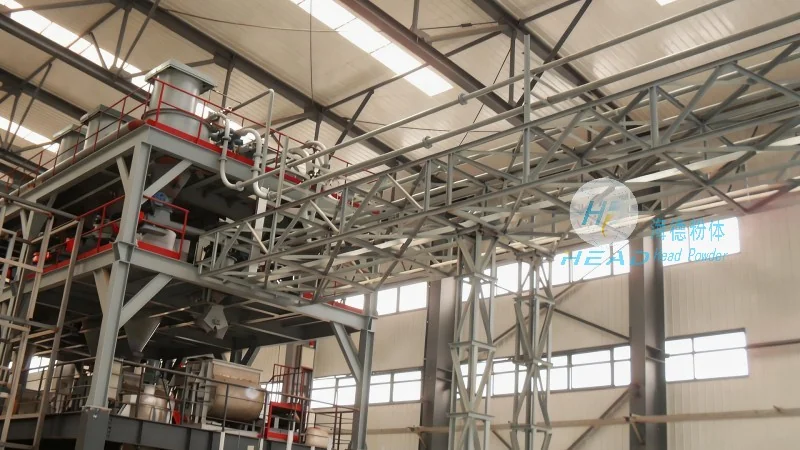
Advantages of Urea Granule Pneumatic Conveying Lines
Urea granule pneumatic conveying lines offer several advantages over traditional material handling methods. One of the primary benefits is the ability to transport material over long distances without the need for intermediate storage or transfer points. This reduces the risk of material contamination and improves overall process efficiency. The system is also highly flexible, allowing for changes in the conveying route or capacity without major modifications. Additionally, pneumatic conveying systems are less prone to material degradation compared to other methods, such as belt conveyors, which can cause abrasion or breakage of the granules. The automated operation of these systems also reduces labor costs and improves safety by minimizing the need for manual handling of the material. Furthermore, the compact design of the equipment allows for easy integration into existing industrial facilities, making it a cost-effective solution for material transport needs.
Applications and Industries Served
Urea granule pneumatic conveying lines are widely used in various industries that require the transport of urea granules. The primary application is in the fertilizer industry, where urea is a key component in agricultural fertilizers. These systems are also used in chemical manufacturing plants that produce urea-based products, such as urea-formaldehyde resins. Additionally, the food processing industry utilizes pneumatic conveying systems to transport urea granules used in food additives or as a source of nitrogen in certain food products. The versatility of the system makes it suitable for a wide range of industrial applications, where efficient and reliable material handling is critical.




