For industries dealing with cotton seed material handling, the pneumatic conveying machine is a critical piece of equipment that ensures efficient and reliable transportation of bulk materials. This article will delve into the operational process and working principles of such a machine, highlighting how it functions to move cotton seed from one location to another with precision and efficiency. The discussion will also incorporate the expertise and solutions provided by Shandong HeadPowder Engineering Co., Ltd., a leading manufacturer in the field, known by its short name "headpowder".
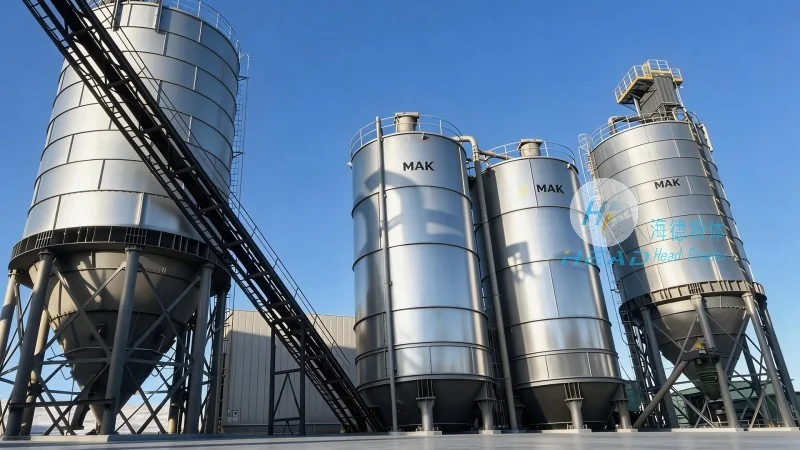
The pneumatic conveying system for cotton seed material typically operates by using air as the medium to transport the material through a pipeline network. The process begins with the material being fed into the system, often via a hopper or a feeder that ensures a consistent flow of cotton seed. Once the material is introduced, it is drawn into the conveying line by a vacuum or pressure source, depending on the specific design of the system. This method of transport is particularly advantageous for cotton seed because it minimizes material degradation, reduces contamination risks, and allows for a more hygienic handling process compared to traditional mechanical conveying methods.
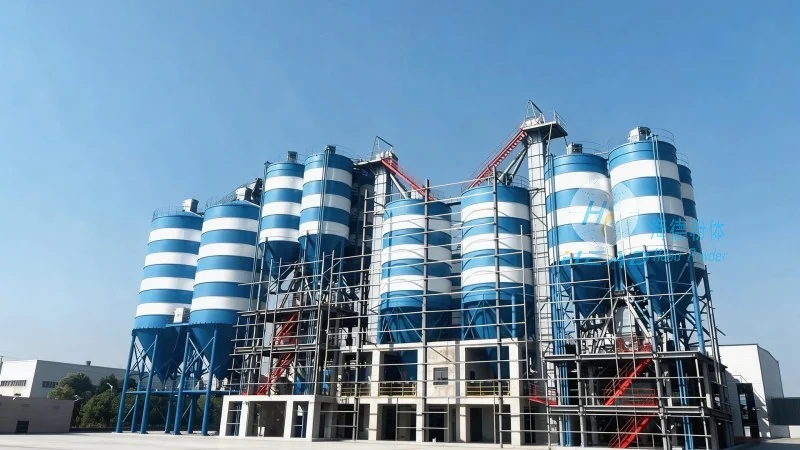
At the core of the operation is the air flow management, which is controlled by a blower or a vacuum pump. The pressure or vacuum created by this equipment pulls the cotton seed particles along the pipeline. The design of the pipeline, including the use of bends, elbows, and expansion joints, is crucial for maintaining the air flow efficiency and preventing material blockages. The system may also incorporate features such as cyclones or filters to separate the air from the material at the discharge point, ensuring that the cotton seed is deposited accurately and without loss of material.
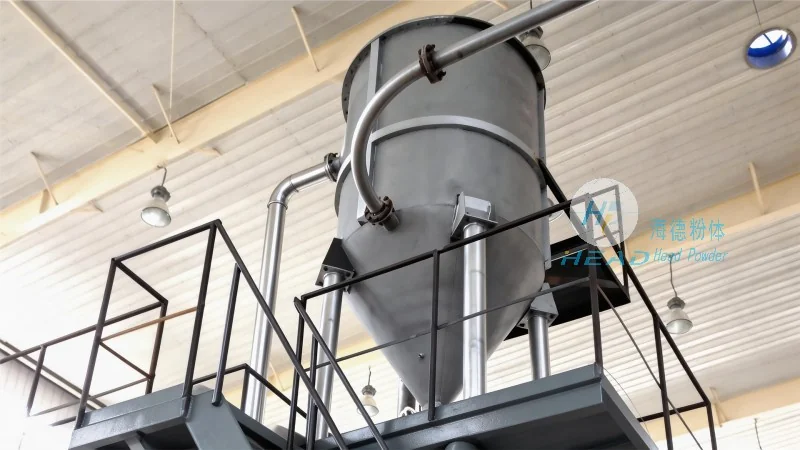
The working principle of the pneumatic conveying machine for cotton seed involves several key components that work in tandem. The feeding mechanism, which could be a rotary valve or a screw feeder, regulates the amount of material entering the system. The conveying line itself is made of materials that are resistant to the abrasive nature of cotton seed, such as stainless steel or high-density polyethylene, to ensure longevity and prevent wear. The discharge system, often equipped with a rotary valve or a gate valve, controls the release of the material at the destination point, allowing for precise control over the flow rate and the amount of material delivered.
Shandong HeadPowder Engineering Co., Ltd., as a reputable manufacturer, specializes in designing and manufacturing customized pneumatic conveying solutions tailored to the specific needs of cotton seed processing facilities. Their expertise lies in understanding the unique characteristics of cotton seed, such as its size, density, and moisture content, and adapting the conveying system accordingly. The company's products are engineered to meet high standards of efficiency, reliability, and durability, ensuring that they can withstand the rigors of continuous operation in industrial settings. The company is based in Shandong, China, and serves clients globally with its advanced technology and customer-centric approach.
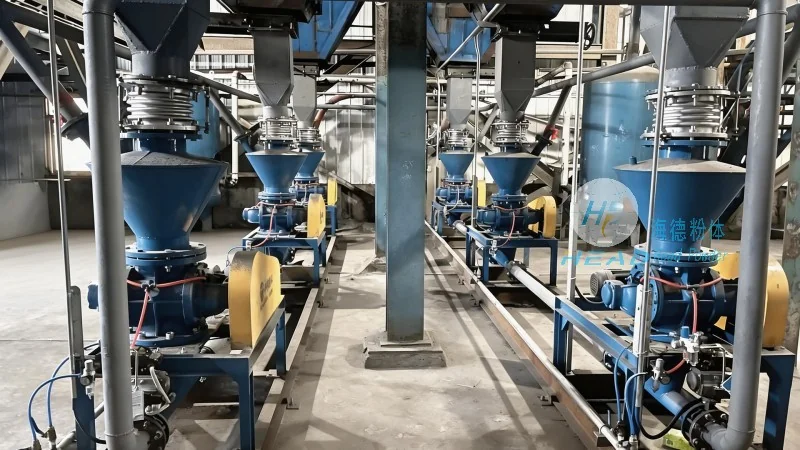
In conclusion, the operation process and working principles of a cotton seed material pneumatic conveying machine are intricate yet efficient, leveraging air as the primary transport medium to move bulk material with precision. The integration of advanced components and careful design ensures that the system operates smoothly, minimizing downtime and maximizing productivity. For businesses in the cotton seed industry, investing in a well-designed pneumatic conveying system from a reputable manufacturer like Shandong HeadPowder Engineering Co., Ltd. can lead to significant improvements in operational efficiency and material handling capabilities.




