Activated carbon granular material conveying equipment is a specialized system engineered to handle and transport activated carbon granules efficiently. This equipment is pivotal in various industrial applications, particularly in processes that require the movement of activated carbon for filtration, adsorption, and other purification tasks. Understanding the design principles behind such equipment is essential for optimizing performance, ensuring safety, and maintaining operational efficiency in industrial settings.
Key Components of the Conveying System
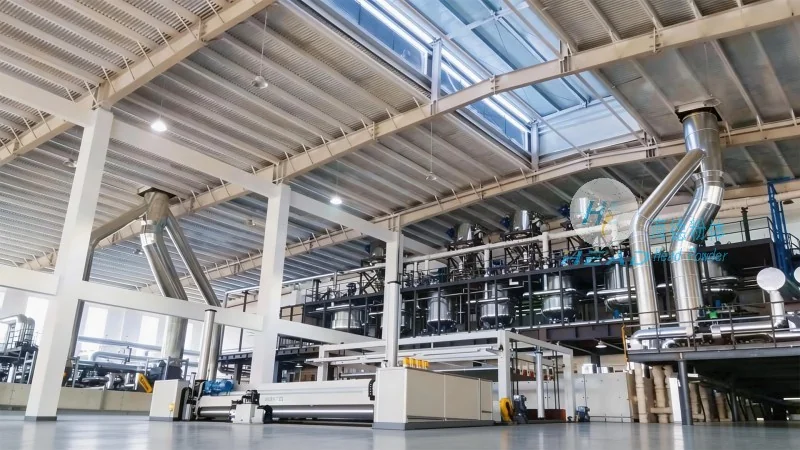
The activated carbon granular material conveying equipment typically comprises several key components that collaborate to facilitate the movement of granular materials. These components include feed hoppers, conveyor mechanisms (such as screw conveyors, belt conveyors, or pneumatic conveyors), control systems, and discharge units. Each component is engineered to address the unique characteristics of activated carbon granules, which are often fine, porous, and can generate dust. The feed hopper is designed to store and meter the activated carbon granules, ensuring a consistent flow into the conveyor system. The conveyor mechanism, selected based on application requirements like distance, volume, and material handling needs, may be mechanical or pneumatic. Control systems regulate speed and flow for precise operation. Finally, the discharge unit releases the activated carbon granules at the desired location, completing the transport cycle.
Design Principles for Efficient Material Handling
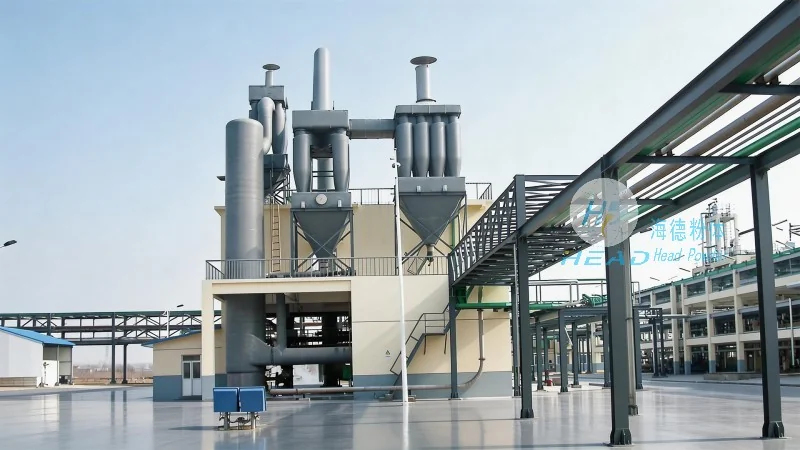
The design principles of activated carbon granular material conveying equipment are centered on minimizing material degradation, controlling dust, enhancing energy efficiency, and ensuring scalability. First, the equipment minimizes degradation by incorporating gentle feeding mechanisms, smooth surfaces, and low-friction components to protect fragile granules. Second, dust control and environmental safety are prioritized with sealed sections, dust collection systems, and proper ventilation to mitigate health and environmental risks. Third, energy efficiency is achieved through optimized conveyor speeds, reduced friction, and efficient control systems, lowering operational costs while maintaining high throughput. Fourth, modularity allows for easy expansion or modification to accommodate varying production volumes or different activated carbon types, ensuring adaptability to evolving industrial needs.
Application-Specific Considerations
The design of activated carbon granular material conveying equipment must align with specific application requirements. For instance, in water treatment plants, the equipment may handle larger volumes and transport materials over longer distances, necessitating robust, high-capacity systems. In contrast, laboratory or small-scale industrial settings may require lower throughput and more precise control, often with compact, modular designs. The choice of conveyor type—such as screw conveyors for short-distance, low-volume transport or pneumatic conveyors for high-volume, long-distance transport—depends on these constraints. Additionally, integration with pre-treatment or post-treatment systems demands compatibility with existing infrastructure, requiring flexible design solutions that enhance overall process efficiency.
Maintenance and Operational Guidelines
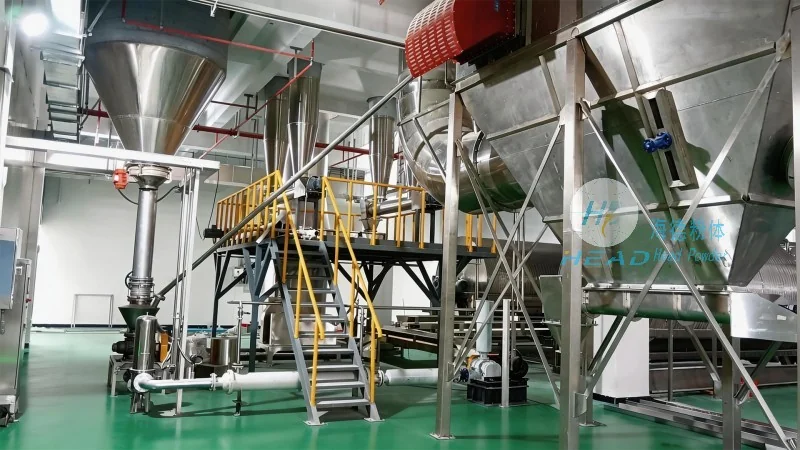
Proper maintenance and operational guidelines are critical for the longevity and optimal performance of activated carbon granular material conveying equipment. Regular maintenance includes cleaning conveyor components to prevent dust accumulation, inspecting for wear and tear, and verifying control system functionality. Equipment should be operated within specified parameters (e.g., conveyor speed, material flow rate) to avoid overloading or underutilization. The use of corrosion-resistant or food-grade materials for conveyor components is essential to maintain granule quality and prevent contamination. Operator training is also vital to ensure proper equipment operation and prompt issue response. By adhering to these guidelines, facilities can minimize downtime, reduce operational costs, and sustain the equipment's reliability over time.




