Gray calcium material conveying lines are specialized industrial systems designed to transport calcium carbonate powders, which are commonly used in various manufacturing processes. These lines are crucial for ensuring efficient and safe material handling in industries such as construction, pharmaceuticals, and food processing. The primary function of a gray calcium material conveying line is to move bulk materials from one location to another, often over long distances or through complex layouts, while maintaining consistent flow rates and minimizing material loss or degradation.
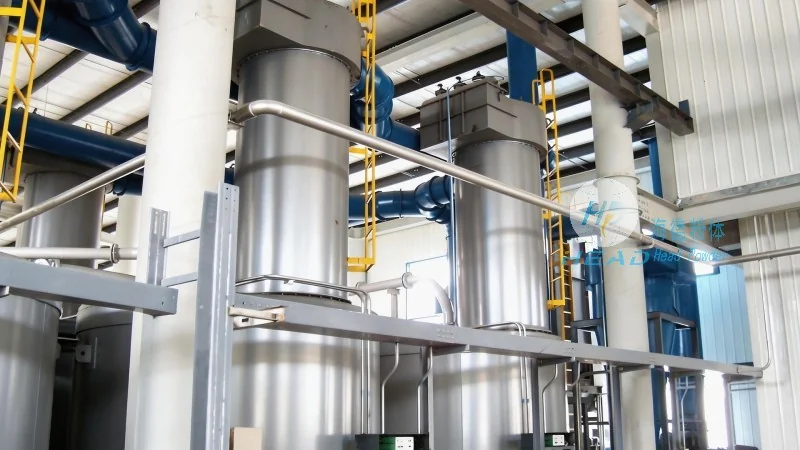
The Design Principles of Gray Calcium Material Conveying Lines
The design of gray calcium material conveying lines is based on several key principles to ensure optimal performance and reliability. First, the system must be tailored to the specific properties of the gray calcium material, including its particle size, moisture content, and flow characteristics. This involves selecting appropriate equipment such as screw conveyors, pneumatic conveyors, or bucket elevators that can handle the material without causing clogging or degradation. Second, the design must prioritize safety and compliance with industrial standards, incorporating features like dust collection systems, explosion-proof components, and proper ventilation to protect operators and the environment. Third, efficiency is a critical factor, with considerations for energy consumption, maintenance requirements, and overall system throughput. Engineers typically use computational fluid dynamics (CFD) and material flow analysis to model and optimize the system design, ensuring that the conveying line operates at peak efficiency while minimizing operational costs.
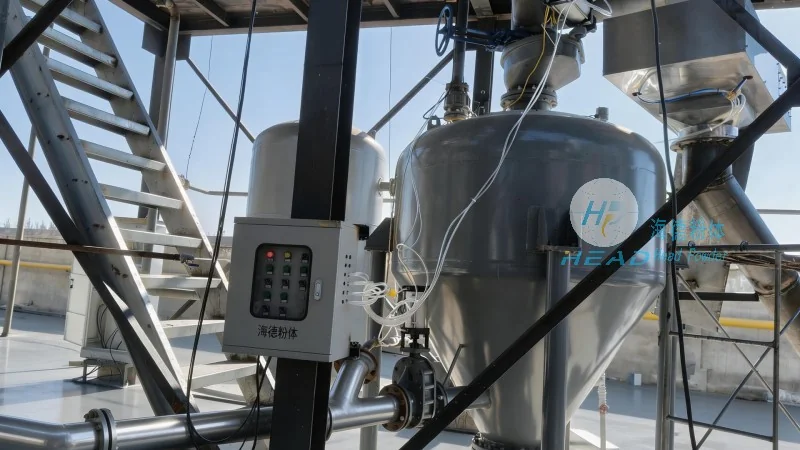
About Shandong HeadPowder Engineering Co., Ltd.
Shandong HeadPowder Engineering Co., Ltd., commonly known as HeadPowder, is a leading manufacturer and supplier of material handling equipment, including gray calcium material conveying lines. With a strong focus on innovation and customer satisfaction, HeadPowder has established itself as a trusted partner in the industry. The company is headquartered in Shandong, China, where it leverages advanced manufacturing facilities and a team of experienced engineers to develop high-quality solutions tailored to the needs of its clients. HeadPowder's commitment to quality and reliability has earned it a reputation for delivering durable and efficient conveying systems that meet the highest industrial standards.
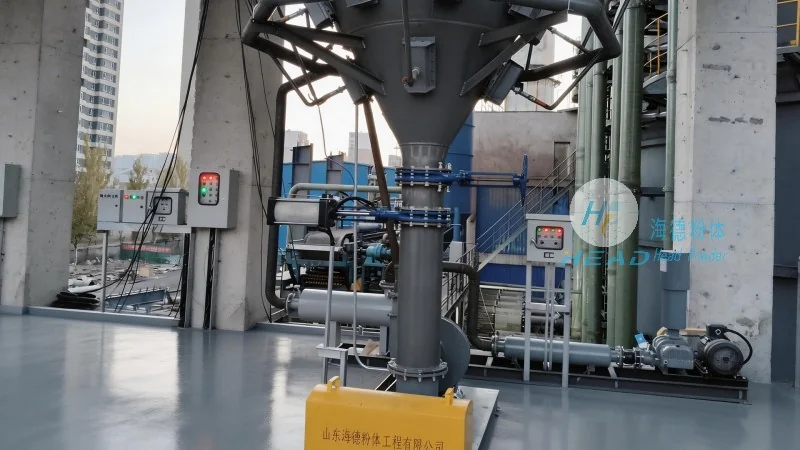
Key Components of Gray Calcium Material Conveying Lines
Gray calcium material conveying lines typically consist of several key components that work together to ensure smooth material transport. The primary components include a feeding hopper, which stores and feeds the material into the conveying system; a conveyor mechanism, such as a screw or pneumatic conveyor, which moves the material along the line; and a discharge hopper, which collects the material at the end of the line. Additionally, the system may include accessories like rotary valves, which regulate the flow of material from the hopper to the conveyor, and dust collectors, which capture and filter airborne particles to maintain a clean and safe working environment. The choice of components depends on the specific application and material characteristics, with engineers selecting the most suitable options to optimize performance and minimize maintenance.
Advantages of Using Gray Calcium Material Conveying Lines
Implementing a gray calcium material conveying line offers numerous advantages for industrial operations. One of the main benefits is improved efficiency, as these systems can transport large quantities of material over long distances with minimal labor and downtime. This leads to increased productivity and reduced operational costs. Another advantage is enhanced safety, as the enclosed design of the conveying line prevents dust exposure and reduces the risk of accidents. Additionally, the systems are designed to minimize material degradation, ensuring that the gray calcium powder maintains its quality and properties throughout the conveying process. This is particularly important for applications where the material's purity and consistency are critical, such as in pharmaceutical or food production. Furthermore, the modular design of many conveying lines allows for easy expansion or modification, enabling businesses to adapt to changing production needs without significant investments.

Design Considerations for Gray Calcium Material Conveying Lines
When designing a gray calcium material conveying line, several factors must be carefully considered to ensure the system meets the specific requirements of the application. First, the material's particle size distribution is a critical factor, as it affects the flow characteristics and the choice of conveyor type. For example, fine powders may require pneumatic conveyors to prevent clogging, while larger particles may be better suited for screw or belt conveyors. Second, the moisture content of the gray calcium material is important, as high moisture levels can lead to clumping and blockages. Engineers may incorporate drying or conditioning steps into the system to address this issue. Third, the system's layout and space constraints must be considered, as the conveying line may need to navigate around existing equipment or structures. This often requires customizing the system's components and configuration to fit the available space. Finally, the system's integration with other equipment, such as storage silos or processing units, must be planned to ensure seamless operation and minimal material handling steps.




