For industries dealing with graphene materials, efficient and reliable material handling is crucial. Gaseous material conveyors, also known as pneumatic conveyors, offer a solution that integrates seamlessly with the processing requirements of graphene-based products. This article explores the operation process and working principle of such conveyors, highlighting how they enhance productivity and maintain material integrity in handling applications.
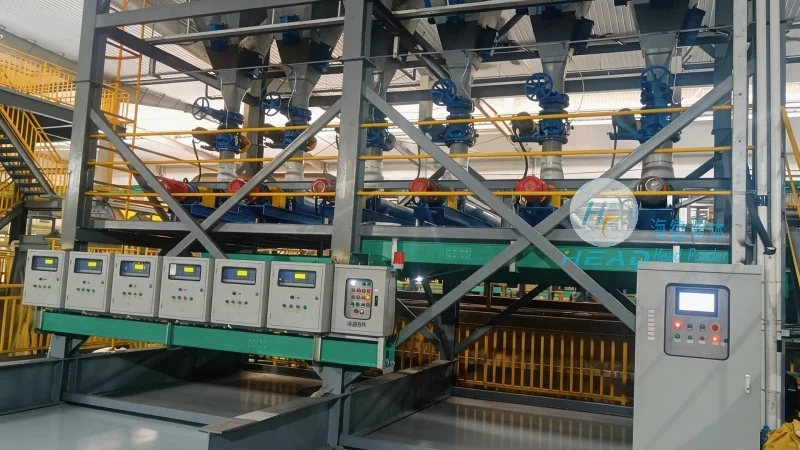
Understanding the Core Components of Graphene Material Gaseous Conveyors
The gaseous material conveyor system for graphene materials typically consists of several key components that work in tandem to ensure smooth material transport. These include the material hopper, which serves as the storage and feeding unit; the air compressor or blower that generates the necessary air pressure; the conveyor line, which may feature different sections such as the vertical riser, horizontal run, and transition sections; and the material separation or discharge equipment at the end of the line. Each component plays a vital role in the overall functionality of the system, and their design is tailored to accommodate the unique properties of graphene materials, such as their high surface area and potential for agglomeration.
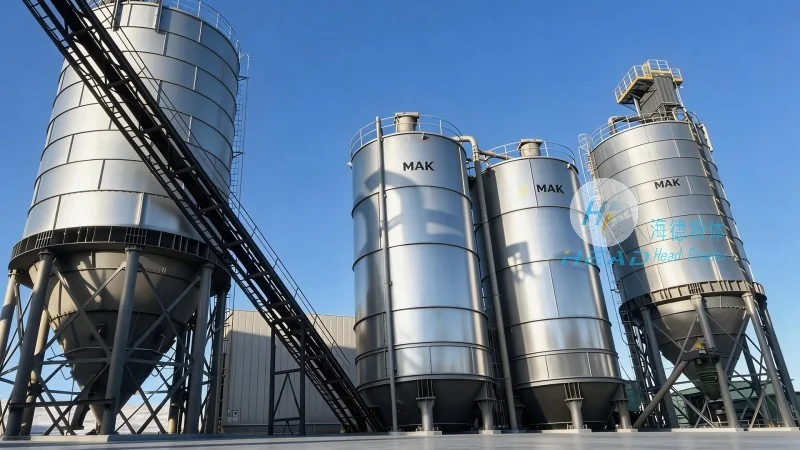
Step-by-Step Operation Process of the Gaseous Conveyor System
The operation of a gaseous material conveyor for graphene materials follows a systematic sequence of steps, ensuring consistent and controlled material movement. The process begins with material loading into the hopper. The material is then fed into the conveyor line through a feeding device, such as a rotary valve or a screw feeder, which regulates the flow rate. Simultaneously, the air compressor starts, generating compressed air that is directed into the conveyor line. As the air flows through the system, it creates a pressure differential that propels the graphene particles along the conveyor path. The conveyor line may include vertical sections where the air and material mixture travels upward, and horizontal sections where it moves horizontally. At the discharge end, the material is separated from the air stream, often using a cyclone separator or a filter, and collected in a receiving container. The entire process is controlled by a programmable logic controller (PLC) or a similar control system, which monitors parameters like air pressure, flow rate, and material level to maintain optimal operation.
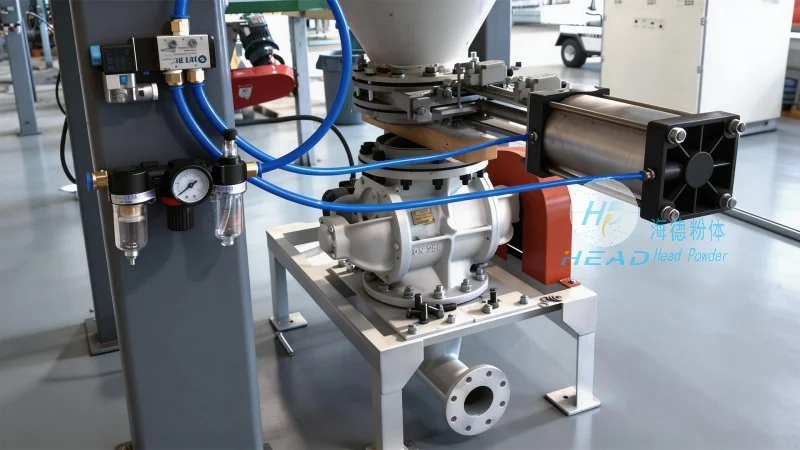
Working Principle: How the Gaseous Conveyor Transports Graphene Materials
The working principle of a gaseous material conveyor relies on the principles of fluid dynamics and particle transport. The system operates by creating a high-velocity air stream within the conveyor line. This air stream, when combined with the graphene material, forms a slurry or a suspension that is propelled forward by the air pressure. The key to efficient transport is maintaining a consistent air velocity and pressure throughout the system. The design of the conveyor line, including the diameter of the pipes and the angle of the vertical sections, is critical to achieving this. For graphene materials, which are lightweight and can be prone to dust formation, the conveyor system is often equipped with features like dust collection and filtration to prevent contamination and ensure a clean process environment. The separation of material from air at the discharge end is achieved through centrifugal force in cyclone separators or through filtration in baghouses, ensuring that the graphene material is collected without loss or contamination.
Benefits of Using Gaseous Material Conveyors for Graphene Processing
Implementing a gaseous material conveyor system for graphene processing offers several advantages that enhance operational efficiency and product quality. One of the primary benefits is the ability to handle fine and dusty materials without the need for mechanical contact, which can help prevent material degradation or contamination. The system also provides a closed-loop operation, reducing the risk of dust emissions and environmental contamination, which is particularly important for graphene materials that may have health or safety implications. Additionally, gaseous conveyors offer flexibility in system design, allowing for vertical and horizontal transport in a single unit, which can save space and simplify the overall layout of the processing facility. The automated control features of modern gaseous conveyors enable precise regulation of material flow, reducing human error and improving consistency in production. These benefits collectively contribute to increased productivity, lower maintenance costs, and improved product quality in graphene material handling applications.
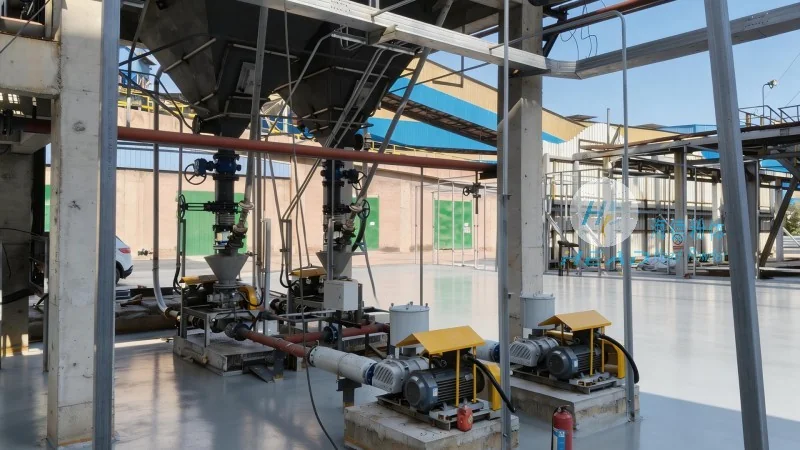
Company Profile: Shandong HeadPowder Engineering Co., Ltd.
Shandong HeadPowder Engineering Co., Ltd., operating under the brand name headpowder, specializes in the design, manufacturing, and supply of advanced material handling equipment, including gaseous material conveyors tailored for graphene and other high-value materials. With a focus on innovation and customer-centric solutions, the company leverages years of experience in the powder and bulk material handling industry to develop customized conveyor systems that meet the specific needs of clients. HeadPowder's engineering team works closely with clients to understand their processing requirements, material characteristics, and operational constraints, ensuring that the designed conveyor systems are efficient, reliable, and cost-effective. The company's facilities in Shandong, China, are equipped with state-of-the-art manufacturing and testing capabilities, allowing for the production of high-quality conveyor components and systems that adhere to international standards. By providing comprehensive support from design to installation and after-sales service, headpowder aims to be a trusted partner for industries seeking to optimize their material handling processes for graphene and other advanced materials.




