Edible salt is a critical component in various industries, including food processing, chemical manufacturing, and pharmaceuticals. The efficient and reliable transport of salt from storage to processing units is essential for maintaining production efficiency and product quality. Pneumatic conveying equipment offers a solution to this challenge by utilizing air as the conveying medium to move bulk materials like edible salt. This article explores the operation process and working principle of a pneumatic conveying machine specifically designed for edible salt materials, highlighting its key components, operational steps, and benefits.
Key Components of the Pneumatic Conveying Equipment
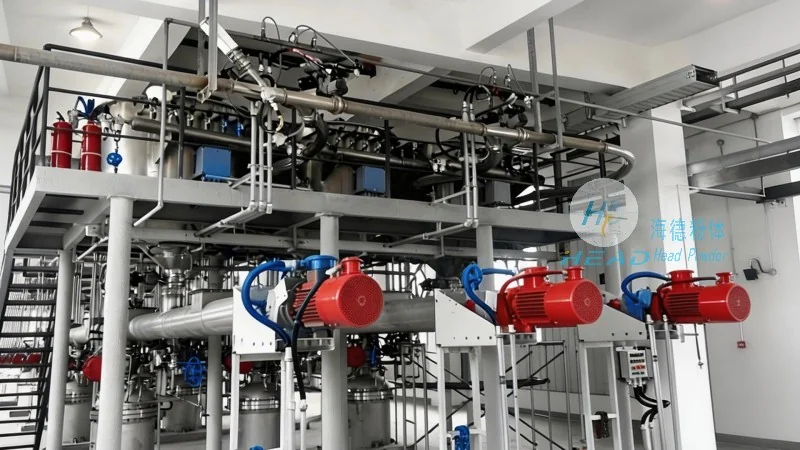
The pneumatic conveying system for edible salt typically consists of several essential components that work in tandem to ensure smooth material transport. These components include a hopper for material storage, a rotary valve or feeder to control the flow of salt, a conveying line (usually made of stainless steel to prevent contamination), a pressure vessel or receiver, and a dust collector or filter system. The hopper is designed to hold a sufficient quantity of edible salt, ensuring a continuous supply to the feeder. The rotary valve or feeder regulates the amount of salt released into the conveying line, preventing overloading and maintaining consistent flow rates. The conveying line is crucial as it transports the salt particles through the system using compressed air. The pressure vessel or receiver collects the conveyed salt and may include a discharge valve for controlled release. The dust collector or filter system is vital for maintaining air quality and preventing dust contamination, which is particularly important in food processing applications where hygiene standards are stringent.
Operation Process of the Pneumatic Conveying Machine
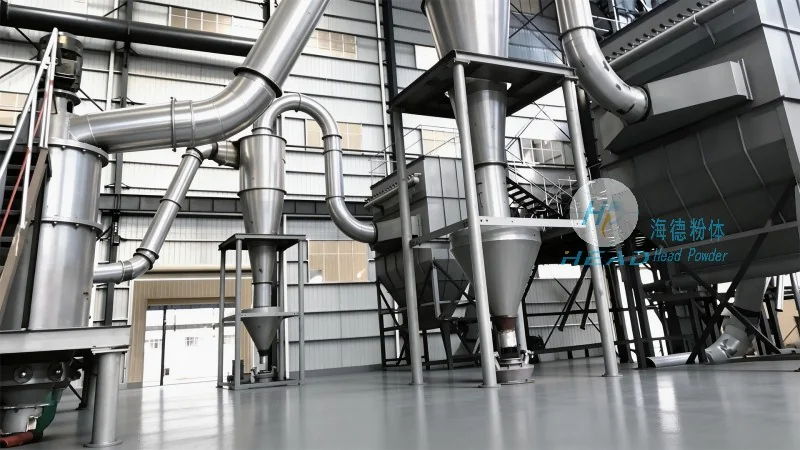
The operation of the pneumatic conveying equipment for edible salt involves a series of steps that ensure the material is transported safely and efficiently. The process begins with the loading of edible salt into the hopper. The hopper is typically equipped with a lid and a level indicator to monitor the material level. Once the hopper is filled, the rotary valve or feeder starts to release the salt into the conveying line. Simultaneously, the compressed air is introduced into the conveying line, creating a pressure differential that propels the salt particles forward. The air flow rate is carefully controlled to maintain the appropriate velocity for the salt particles, preventing them from settling or clogging the line. As the salt travels through the conveying line, it reaches the pressure vessel or receiver, where it is collected. The receiver may include a discharge mechanism, such as a gate valve or a rotary valve, that allows the salt to be discharged into the next processing stage or storage container. The system may also include a venting system to release excess air and maintain the pressure within the conveying line. Throughout the operation, the dust collector or filter system continuously removes any airborne particles, ensuring that the air leaving the system is clean and free from salt dust.
Working Principle of the Pneumatic Conveying System
The working principle of the pneumatic conveying system for edible salt is based on the principle of fluidization and pneumatic transport. When compressed air is introduced into the conveying line, it creates a low-pressure environment that draws the salt particles into the air stream. The air flow carries the salt particles through the system, and the pressure differential between the hopper and the receiver ensures the continuous movement of the material. The velocity of the air is a critical factor; it must be sufficient to keep the salt particles suspended in the air but not so high as to cause excessive wear on the conveying line or equipment components. The system operates under either positive pressure or negative pressure, depending on the design. Positive pressure systems use compressed air to push the salt forward, while negative pressure systems use suction to draw the salt from the hopper. For edible salt applications, positive pressure systems are more common as they provide better control over the material flow and reduce the risk of contamination from external air. The entire system is designed to be hygienic and easy to clean, with stainless steel components that meet food-grade standards. This ensures that the edible salt remains free from contaminants and maintains its quality throughout the conveying process.
Benefits and Applications of the Pneumatic Conveying Equipment
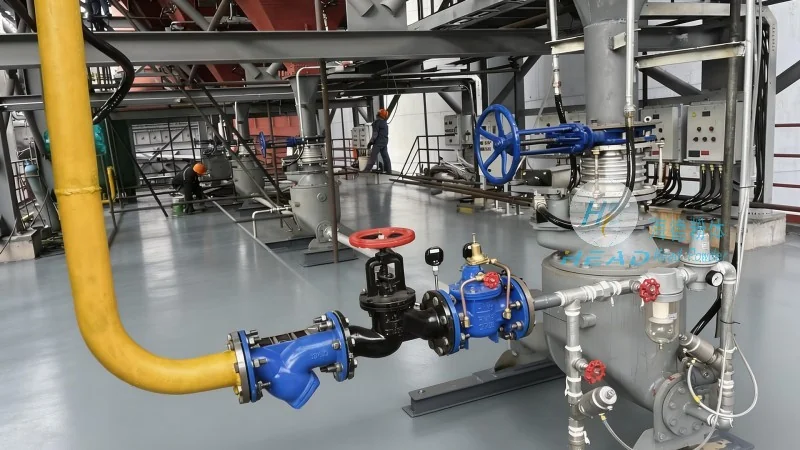
The pneumatic conveying equipment for edible salt offers several advantages over traditional conveying methods, such as belt conveyors or bucket elevators. One of the primary benefits is the ability to transport salt in a closed system, which prevents dust contamination and maintains hygiene standards. This is particularly important in food processing facilities where cross-contamination must be avoided. Another advantage is the flexibility of the system, as it can be easily integrated into existing production lines and adapted to different processing requirements. The equipment is also relatively compact and can be installed in various locations, making it suitable for both new and existing facilities. The system is capable of handling a wide range of salt particle sizes and moisture contents, making it versatile for different applications. Additionally, the pneumatic conveying system reduces the risk of material degradation due to exposure to air and moisture, which can affect the quality of edible salt. The equipment is also energy-efficient compared to other conveying methods, as it uses compressed air to move the material rather than mechanical components that require more power. Overall, the pneumatic conveying equipment for edible salt is an effective solution for transporting bulk materials in a hygienic and efficient manner, meeting the demands of modern food processing and manufacturing industries.




