Rapeseed, also known as canola, is a vital oilseed crop globally, and efficient handling and transportation of this crop are critical for the agricultural and processing industries. Pneumatic conveying systems have become a sophisticated solution for moving rapeseed from storage to processing facilities, offering advantages such as reduced contamination, improved hygiene, and enhanced operational efficiency. This article provides an overview of rapeseed pneumatic conveying systems, detailing their structural components and operational principles, while highlighting the expertise of Shandong HeadPowder Engineering Co., Ltd. in providing tailored solutions for agricultural material handling.
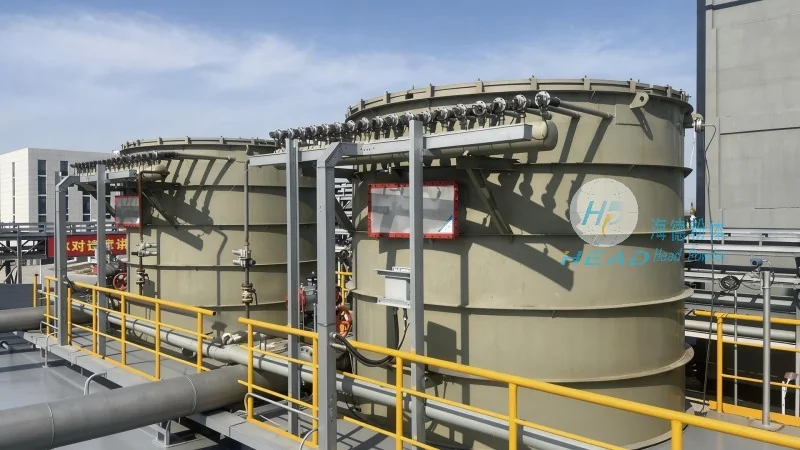
Key Components of Rapeseed Pneumatic Conveying Systems
The rapeseed pneumatic conveying system consists of several interconnected components that work in harmony to transport the seed efficiently. The primary elements include a feeding hopper, a positive displacement or centrifugal blower, a conveying pipeline network, a separation or cyclone unit, and a discharge hopper or silo. Each component plays a critical role in the overall system performance.
The feeding hopper is designed to store and meter the rapeseed into the system. It often features a gate valve or rotary feeder to control the flow rate, ensuring a consistent supply of material to the blower. This component is crucial for maintaining system stability and preventing blockages in the pipeline.
The blower, either a positive displacement type like a rotary lobe or a centrifugal unit, generates the necessary air pressure to move the rapeseed particles through the pipeline. The choice of blower depends on factors such as the material's density, moisture content, and the required conveying distance. A well-designed blower ensures sufficient air velocity to overcome friction losses and lift the seed particles.
The conveying pipeline is typically made of stainless steel or other corrosion-resistant materials to withstand the abrasive nature of rapeseed and prevent contamination. The pipeline network may include bends, elbows, and straight sections, with each component carefully engineered to minimize pressure drop and maintain consistent airflow. Proper pipeline sizing and layout are essential to optimize system efficiency and reduce energy consumption.
The separation or cyclone unit is a critical component for separating the rapeseed from the air stream after it reaches the discharge point. This unit uses centrifugal force to separate the heavier seed particles from the lighter air, allowing the seed to be collected in the discharge hopper while the air is either recirculated or vented to the atmosphere. The efficiency of the separation process directly impacts the quality of the delivered product and the overall system performance.
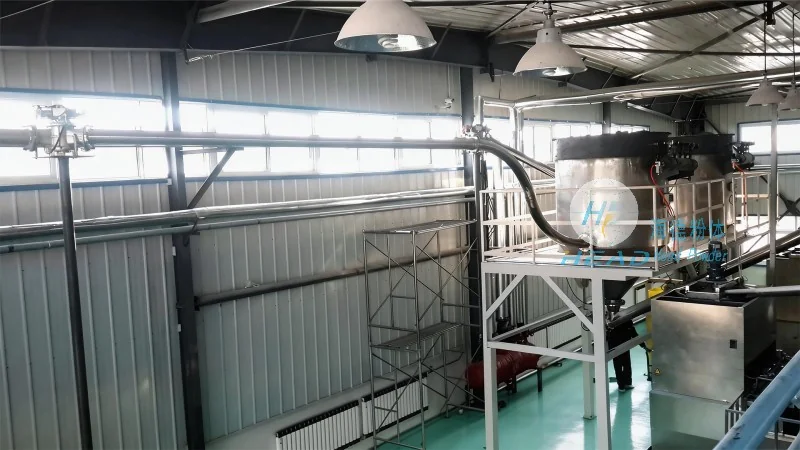
Working Principles of Rapeseed Pneumatic Conveying
Rapeseed pneumatic conveying operates on the principle of transporting solid particles suspended in a high-velocity air stream. The process begins when the rapeseed is fed into the system from the storage hopper. The feeding mechanism meters the seed into the blower inlet, where it mixes with the air being drawn or forced by the blower. The air velocity is maintained at a level sufficient to keep the rapeseed particles suspended, preventing them from settling or clogging the pipeline.
As the air and seed mixture travels through the pipeline, it encounters various components such as bends and fittings. The design of these components is crucial to minimize pressure losses and maintain the air velocity required for stable conveying. The pipeline's length and elevation changes are also considered to ensure that the system can handle the required conveying distance and vertical lift.
Upon reaching the discharge point, the air and seed mixture enters the separation unit. The cyclone or separator uses centrifugal force to separate the rapeseed from the air. The seed particles, being denser, are forced to the outer wall of the cyclone and fall into the discharge hopper, while the air, being lighter, is directed to the top and either recirculated or vented. This separation process ensures that the rapeseed is delivered to the processing facility in a clean and uncontaminated state.
Benefits of Using Pneumatic Conveying for Rapeseed Handling
Implementing a pneumatic conveying system for rapeseed handling offers several advantages over traditional methods such as bucket elevators or belt conveyors. One of the primary benefits is the reduction in contamination risk. Pneumatic systems are enclosed, preventing exposure to dust, moisture, or other environmental factors that could affect the quality of the seed. This is particularly important for rapeseed, which is often used for oil extraction and animal feed, where purity is essential.
Another key advantage is improved hygiene and sanitation. The enclosed nature of the system allows for easier cleaning and maintenance, reducing the risk of bacterial growth or cross-contamination. This is critical in food processing applications where regulatory compliance is a top priority.
Operational efficiency is also enhanced with pneumatic conveying systems. The ability to transport rapeseed over long distances and vertical elevations without the need for multiple transfer points reduces downtime and labor costs. The system's ability to handle varying flow rates and material conditions makes it adaptable to different processing needs, providing flexibility in production.
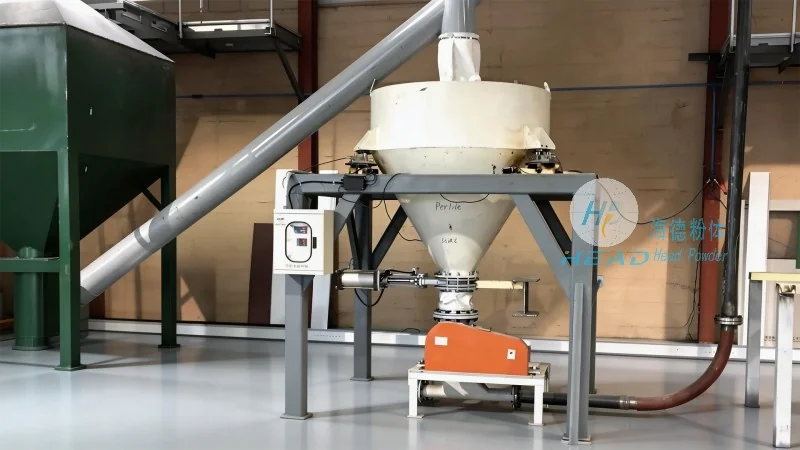
Energy efficiency is another significant benefit. Modern pneumatic conveying systems are designed to optimize air usage, reducing energy consumption compared to traditional methods. The use of efficient blowers and optimized pipeline layouts minimizes pressure losses, leading to lower operational costs over the system's lifespan.
Shandong HeadPowder Engineering Co., Ltd.: Expertise in Rapeseed Pneumatic Conveying Solutions
Shandong HeadPowder Engineering Co., Ltd., commonly known as HeadPowder, is a leading provider of customized pneumatic conveying systems for agricultural and industrial applications. With years of experience in the field, the company specializes in designing and manufacturing systems tailored to the specific needs of rapeseed handling operations. HeadPowder's team of engineers and technicians work closely with clients to understand their operational requirements, material characteristics, and processing goals, ensuring that the final system meets all performance and safety standards.
The company's expertise lies in the integration of advanced technology with practical design solutions. HeadPowder utilizes state-of-the-art components, such as high-efficiency blowers, corrosion-resistant materials, and intelligent control systems, to deliver reliable and durable pneumatic conveying systems. Each system is carefully engineered to optimize conveying efficiency, minimize energy consumption, and ensure the quality of the transported rapeseed.
HeadPowder's commitment to quality is evident in its adherence to international standards and rigorous testing protocols. The company's systems are designed to withstand the harsh conditions of agricultural environments, including exposure to moisture, dust, and temperature fluctuations. This ensures long-term reliability and minimal maintenance requirements, providing clients with a cost-effective solution for their rapeseed handling needs.
With a strong presence in China, specifically in Shandong province, HeadPowder leverages its local expertise and resources to deliver timely and effective solutions to clients. The company's facilities are equipped with advanced manufacturing capabilities, allowing for the production of high-quality components and systems that meet the demands of modern agricultural processing. By partnering with HeadPowder, clients can benefit from a comprehensive approach to rapeseed handling, from system design and installation to ongoing maintenance and support.




