Introduction to Centralized Feeding Pneumatic Conveying Lines: Structure and Working Principles
Release time:2026-09-21 22:01:40
name of the company:Shandong Headpowder Engineering Co., Ltd.
telephone:156-6277-7102
contacts:Zhang manager
Centralized feeding pneumatic conveying lines are advanced industrial equipment designed to efficiently transport bulk materials from multiple sources to a central processing or storage location. These systems are widely used in various industries, including chemical, food, pharmaceutical, and manufacturing, where reliable and flexible material handling is crucial. As a leading provider in the field, Shandong HeadPowder Engineering Co., Ltd. (headpowder) specializes in designing and manufacturing customized centralized feeding pneumatic conveying systems tailored to meet the specific needs of industrial clients. The following overview provides a detailed explanation of the structure and operational principles of such systems, along with key components and their functions.
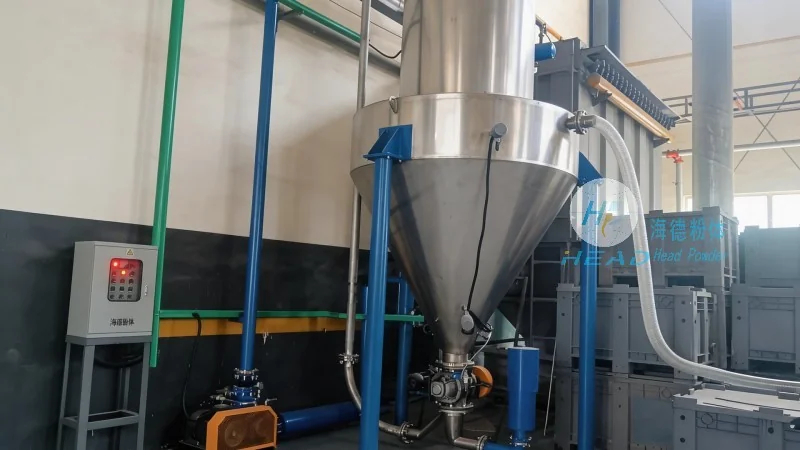
Overview of Centralized Feeding Pneumatic Conveying Systems
Centralized feeding pneumatic conveying lines represent a sophisticated solution for managing material flow in industrial settings. Unlike traditional point-to-point conveying systems, these lines integrate multiple feeding points, allowing for the simultaneous or sequential transfer of materials from several sources to a central destination. This approach enhances operational flexibility, reduces downtime, and improves overall material handling efficiency. The system typically consists of a network of pipes, feeding hoppers, control valves, and a central receiver or processing unit, all coordinated by a control system to ensure smooth and controlled material movement.
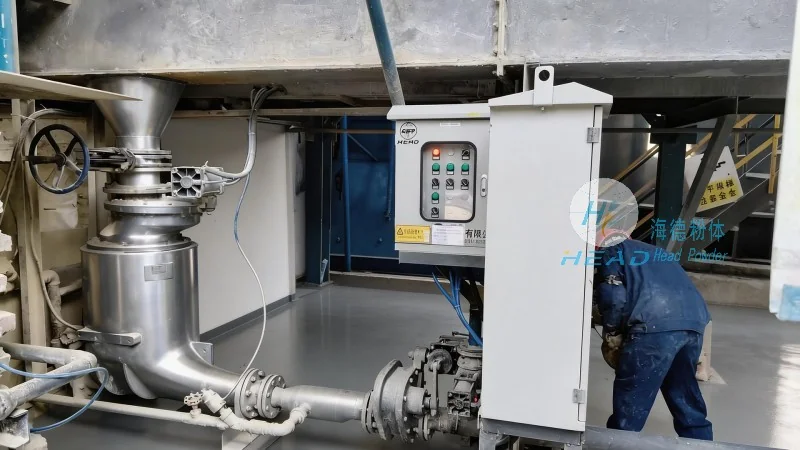
Key Components and Their Functions
The effectiveness of a centralized feeding pneumatic conveying line depends on several critical components, each playing a specific role in the material transport process. The primary components include:
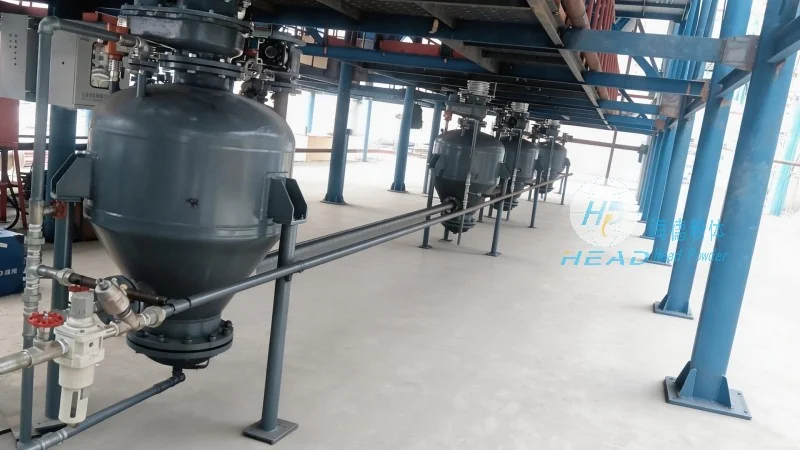
- Feeding Hoppers: These are storage vessels located at each material source. They are equipped with level sensors and discharge valves to regulate the flow of material into the conveying line. The hoppers are designed to minimize material degradation and ensure consistent feeding rates.
- Pneumatic Conveying Pipes: The main transport medium is a network of pipes that carry the material and air. The pipes are usually made of stainless steel or other corrosion-resistant materials to handle various types of bulk materials. The design of the pipe network, including bends, elbows, and expansion joints, is crucial for maintaining material flow and preventing blockages.
- Control Valves and Regulators: These components manage the air pressure and flow within the system. They include airlocks, rotary valves, and pressure regulators that control the amount of air and material entering the pipes. Proper regulation ensures that the conveying velocity is maintained at an optimal level, preventing material degradation and ensuring efficient transport.
- Air Compressors and Filters: The system uses air compressors to generate the necessary pressure for material transport. High-quality air filters are essential to remove contaminants from the air, preventing them from entering the material stream and causing blockages or contamination.
- Central Receiver or Processing Unit: This is the final destination where the material is collected and processed. It may include a hopper, a silo, or a direct connection to a production line. The receiver is designed to handle the incoming material and ensure it is stored or processed efficiently.
Working Principles of the System
The operation of a centralized feeding pneumatic conveying line is based on the principle of pneumatic transport, where material is carried by a stream of air. The process typically involves the following steps:
- Material Feeding: Material from each feeding hopper is discharged into the conveying line through a control valve. The hopper's level sensor monitors the material level and triggers the discharge valve when the level reaches a set point.
- Air Injection: Compressed air is introduced into the conveying line at a controlled pressure and flow rate. The air and material are mixed, creating a slurry-like flow that moves through the pipes.
- Transportation: The mixture of air and material travels through the pipe network to the central receiver. The velocity of the air is maintained above the material's terminal velocity to ensure continuous transport without blockages.
- Material Separation: At the receiver, the air and material are separated. The air is typically filtered and recycled back to the system, while the material is collected in the receiver or transferred to the next processing stage.
Advantages of Centralized Feeding Pneumatic Conveying Lines
Implementing a centralized feeding pneumatic conveying system offers several advantages over traditional material handling methods. These benefits include:
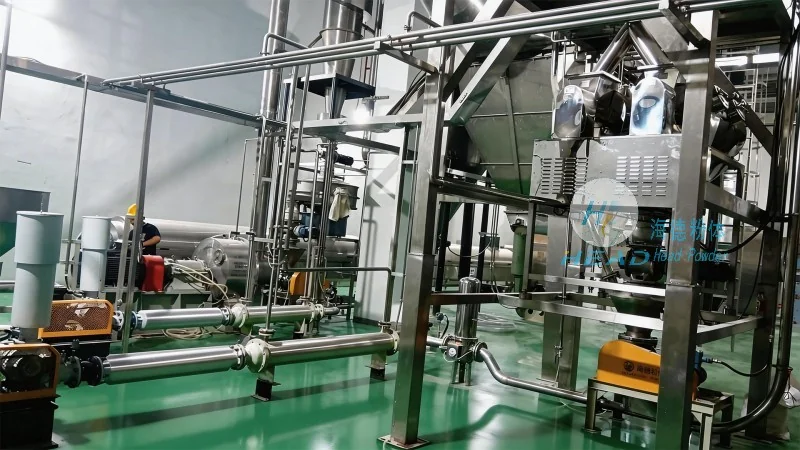
- Increased Efficiency and Flexibility: The ability to feed multiple sources simultaneously allows for better utilization of production capacity and reduces downtime caused by material handling issues.
- Reduced Labor and Maintenance: Automated control systems minimize the need for manual intervention, reducing labor costs and maintenance requirements compared to manual handling methods.
- Improved Material Quality: The enclosed system prevents material contamination from dust, moisture, or other environmental factors, maintaining the quality of the bulk material.
- Space Efficiency: The compact design of the system, with a network of pipes and integrated components, saves valuable floor space in industrial facilities.
- Energy Efficiency: Modern systems are designed to optimize air usage, reducing energy consumption and operational costs.
Applications and Industries
Centralized feeding pneumatic conveying lines are suitable for a wide range of applications across various industries. Some common applications include:




