HeadPowder, a leading provider of industrial material handling solutions, specializes in the design and manufacturing of advanced pneumatic conveying systems for various high-value powders, including molybdenum trioxide. This article explores the fundamental principles behind molybdenum trioxide pneumatic conveying equipment and highlights the key working scene characteristics that define its application in industrial settings.

Understanding the Core Principle of Molybdenum Trioxide Pneumatic Conveying
The operation of molybdenum trioxide pneumatic conveying equipment is based on the fundamental principle of transporting particulate materials through a pipeline using a stream of air or other gas. This method, known as pneumatic conveying, offers a highly efficient and flexible approach to material handling, particularly for materials like molybdenum trioxide that require precise control over particle flow and minimal contamination. The system typically consists of a hopper, a conveyor line, and a control unit, all working in tandem to ensure smooth and reliable material transport.
At the heart of the system is the air flow mechanism, which generates the necessary pressure and velocity to move the molybdenum trioxide particles through the pipeline. The air is introduced into the system at a controlled rate, creating a consistent flow that propels the material forward. The design of the conveying line, including the diameter, length, and bends, is critical to maintaining the optimal air velocity and pressure required for efficient transport. For molybdenum trioxide, which is a fine powder with specific density and flow characteristics, the system is engineered to handle these properties without clogging or degradation.
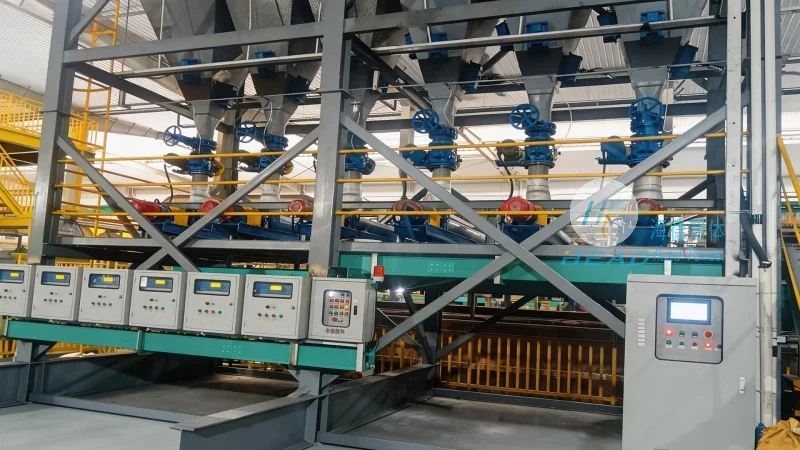
Key Working Scene Characteristics of Molybdenum Trioxide Pneumatic Conveying Equipment
The working scene characteristics of molybdenum trioxide pneumatic conveying equipment are tailored to meet the specific demands of industrial applications. These characteristics include high precision in material transport, minimal product loss or degradation, and the ability to handle varying particle sizes and flow rates. The equipment is designed to operate in environments where cleanliness and contamination control are paramount, making it suitable for processes that require high-purity molybdenum trioxide.
One of the primary advantages of this equipment is its ability to handle molybdenum trioxide in a closed system, which prevents exposure to air and moisture, thus preserving the material's quality. The system also allows for seamless integration with other industrial processes, such as mixing, packaging, or further processing, enabling a streamlined workflow. Additionally, the equipment is capable of handling both low and high flow rates, making it versatile for different production scales and operational needs.
Application Scenarios and Operational Efficiency
Molybdenum trioxide pneumatic conveying equipment is widely used in various industrial sectors, including chemical manufacturing, metallurgy, and pharmaceuticals. In chemical plants, it is employed to transport molybdenum trioxide from storage silos to reactors or processing units, ensuring a continuous and controlled supply of the material. In metallurgical applications, the equipment is used to convey molybdenum trioxide for use in the production of molybdenum alloys or as a catalyst in various chemical reactions. The operational efficiency of the system is enhanced by its ability to minimize downtime and maintenance, as the design incorporates features that reduce wear and tear on components.
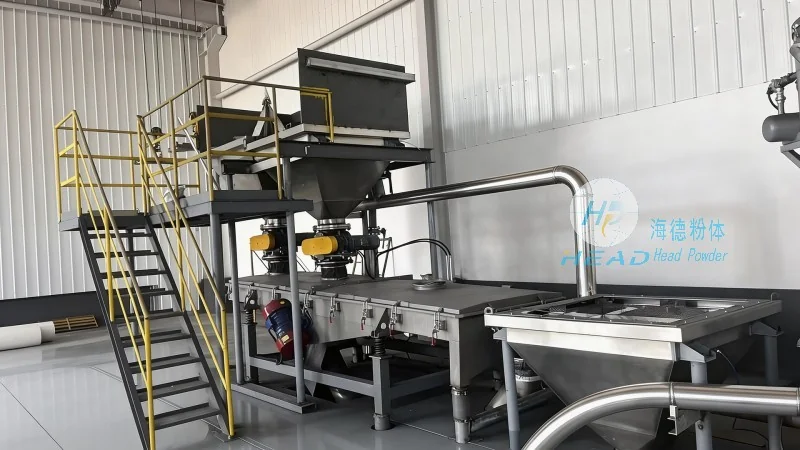
The working scene characteristics also include the adaptability of the system to different environmental conditions. Whether in a temperature-controlled facility or an outdoor industrial site, the equipment is engineered to maintain consistent performance. The use of durable materials in the construction of the conveying line and components ensures longevity and reliability, even when handling abrasive or corrosive materials like molybdenum trioxide.
Conclusion and Company Overview
HeadPowder Engineering Co., Ltd., based in Shandong, China, is a trusted manufacturer of molybdenum trioxide pneumatic conveying equipment. With a focus on innovation and quality, the company provides customized solutions that meet the unique requirements of each industrial application. The principles and working scene characteristics of the equipment ensure efficient, safe, and reliable transport of molybdenum trioxide, contributing to improved productivity and product quality in various industrial processes.




