Organic fertilizer pneumatic conveying equipment is a critical component in modern agricultural and fertilizer processing operations. This equipment efficiently transports organic materials such as compost, manure, and other organic fertilizers through a pneumatic system, combining air flow and mechanical force to move bulk materials over long distances or vertical heights. Understanding its principle and working characteristics is essential for optimizing fertilizer production and distribution processes.
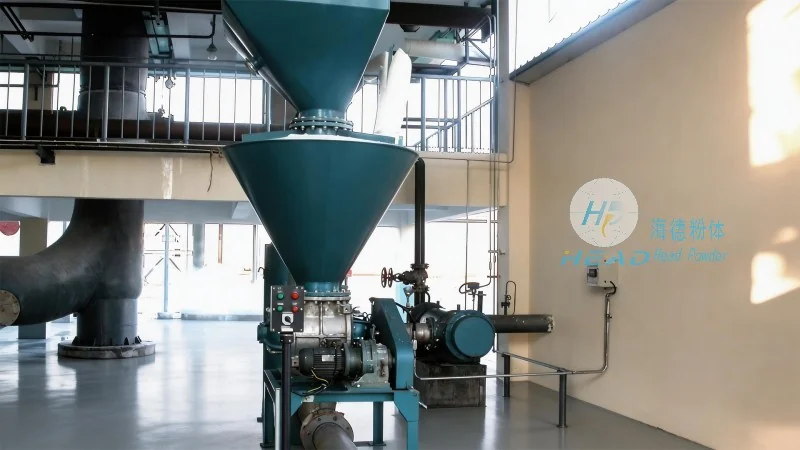
The Working Principle of Pneumatic Conveying Systems
The core principle of organic fertilizer pneumatic conveying equipment lies in the use of compressed air to create a flow that propels the solid material. The system typically consists of a feeding hopper, a blower or air compressor, a pipeline network, and a discharge outlet. As the organic material is fed into the hopper, the blower generates high-pressure air that is introduced into the pipeline. The air flow carries the material particles through the system, ensuring consistent and controlled movement. This method eliminates the need for mechanical components like belts or buckets, reducing maintenance and operational costs while improving safety.
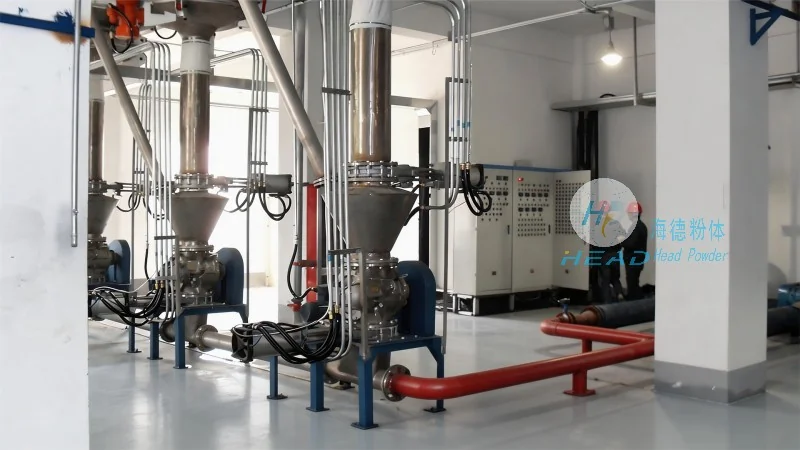
Key Components and Their Functions
Several key components work together to ensure the efficient operation of the pneumatic conveying system. The feeding hopper is designed to hold and meter the organic fertilizer, controlling the flow rate into the system. The blower or air compressor provides the necessary air pressure and volume, which is critical for maintaining the conveying velocity. The pipeline network, often made of stainless steel or other corrosion-resistant materials, transports the material from the hopper to the discharge point. The discharge outlet or receiver collects the material at the end of the pipeline, ensuring a clean and controlled release. Each component is engineered to handle the specific characteristics of organic materials, such as moisture content and particle size, to prevent blockages and ensure smooth operation.
Working Scene Characteristics: Applications and Benefits
The working scene characteristics of organic fertilizer pneumatic conveying equipment are tailored to meet the diverse needs of fertilizer production and distribution. These systems are commonly used in large-scale organic fertilizer plants, composting facilities, and agricultural supply chains. The primary benefits include high efficiency in material transport, reduced labor costs, and improved safety by minimizing manual handling of bulk materials. Additionally, the pneumatic system allows for flexible layout designs, as the pipeline can be routed around obstacles or through different levels, making it suitable for complex production environments. The equipment also contributes to environmental sustainability by reducing dust emissions and minimizing material loss during transport.
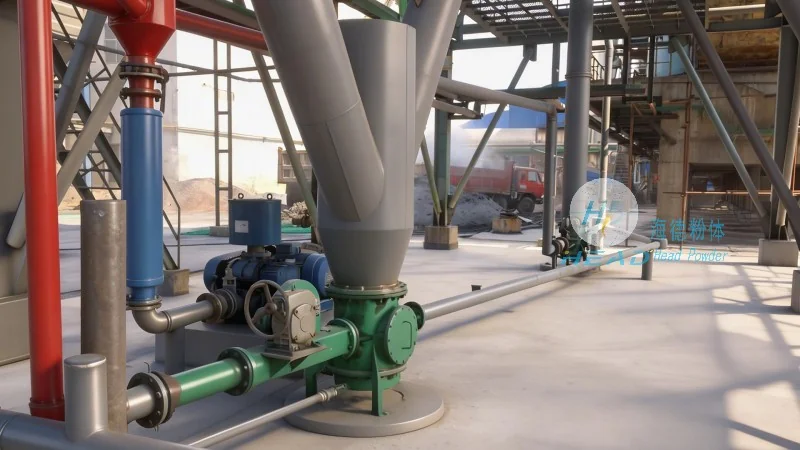
Case Study: Application in Shandong HeadPowder Engineering Co., Ltd.
Shandong HeadPowder Engineering Co., Ltd., a leading manufacturer of organic fertilizer processing equipment, has successfully implemented pneumatic conveying systems in its production facilities. The company’s equipment, known as headpowder, is designed to handle various organic materials, including livestock manure, crop residues, and industrial organic waste. By utilizing advanced pneumatic technology, the company has achieved significant improvements in production efficiency and material handling. For instance, in a large-scale composting plant, the pneumatic conveying system reduced the time required to transport raw materials from the storage area to the composting reactor by 40%, while maintaining consistent material quality. This case study highlights the practical benefits of the equipment in real-world applications, demonstrating its reliability and effectiveness.




