When it comes to the transportation of expanded clay aggregate, there are several effective methods that can be employed depending on the specific requirements of the project and the scale of operations. Expanded clay aggregate, also known as lightweight aggregate, is widely used in construction and landscaping due to its lightweight properties and excellent thermal insulation characteristics. Efficient transportation of this material is crucial for ensuring timely delivery and maintaining its quality during transit.
Common Transportation Methods for Expanded Clay Aggregate
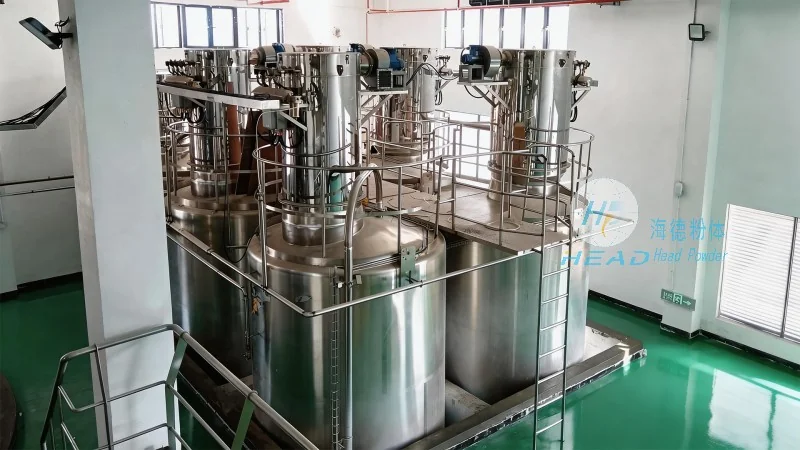
There are primarily two main categories of transportation methods for expanded clay aggregate: bulk transport and packaged transport. Bulk transport is typically used for large-scale projects where the material is delivered in bulk quantities, often via specialized vehicles or bulk carriers. This method is cost-effective for high-volume shipments and is commonly used in the construction industry for concrete production and other applications that require large amounts of lightweight aggregate.
In bulk transport, the expanded clay aggregate is loaded into containers such as trucks, railcars, or ships. The choice of vehicle depends on the distance and the destination. For shorter distances, trucks are the most common option, while for longer distances, rail or sea transport may be more economical. The material is usually stored in bulk containers to minimize handling and to maintain its uniformity. During transportation, it is important to ensure that the material is not exposed to excessive moisture or temperature changes, as these can affect its properties. Proper covering and ventilation of the transport vehicles are essential to preserve the quality of the expanded clay aggregate.
Specialized Equipment for Efficient Transport
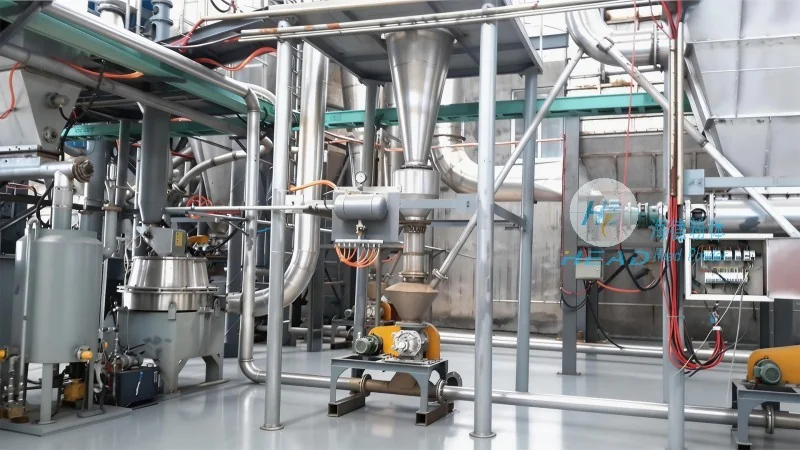
Specialized equipment is often used to enhance the efficiency and safety of transporting expanded clay aggregate. For example, bulk trucks equipped with hopper bodies or silos can help in the smooth loading and unloading of the material. These vehicles are designed to minimize dust generation and to ensure that the material is handled in a controlled manner. In addition, some companies use conveyor systems or belt loaders to transfer the expanded clay aggregate from storage silos to transport vehicles. This reduces manual labor and improves the overall efficiency of the transportation process. The use of such equipment also helps in maintaining the quality of the material by preventing segregation and ensuring that it is delivered in a consistent state.
Packaged Transport for Smaller Quantities
For smaller quantities of expanded clay aggregate, packaged transport is a common method. The material is usually packaged in bags or containers, which are then transported using standard vehicles such as trucks or vans. This method is particularly useful for projects that require smaller amounts of the material, such as landscaping or small construction projects. The packaging helps to protect the material from moisture and contamination during transit. It also makes it easier to handle and store the material at the destination. However, packaged transport is generally more expensive than bulk transport due to the cost of packaging and the lower volume of material being transported.
Factors to Consider When Choosing a Transportation Method
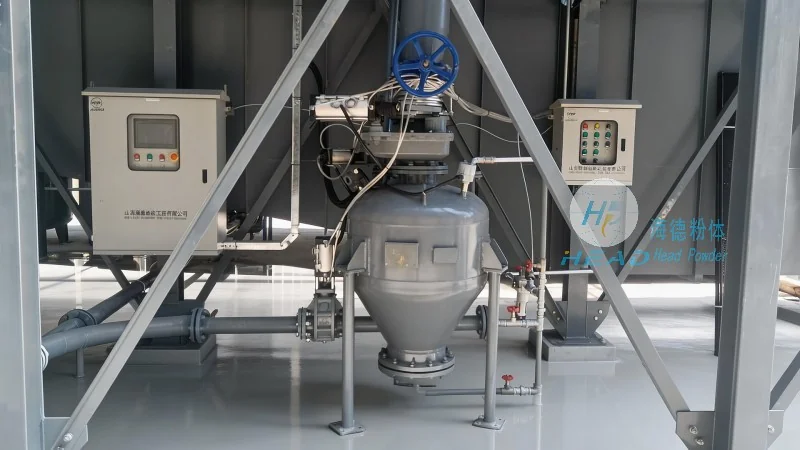
When selecting a transportation method for expanded clay aggregate, several factors need to be considered. The first is the volume of material required. For large-scale projects, bulk transport is usually the most economical option. For smaller projects, packaged transport may be more practical. The second factor is the distance of the delivery. For short distances, local transport using trucks is sufficient. For longer distances, rail or sea transport may be more cost-effective. The third factor is the availability of specialized equipment. If the company has the necessary equipment, bulk transport can be more efficient. If not, packaged transport may be the only option. The fourth factor is the budget. Bulk transport is generally more cost-effective for large volumes, while packaged transport is more expensive but offers more flexibility.
Ensuring Quality During Transportation
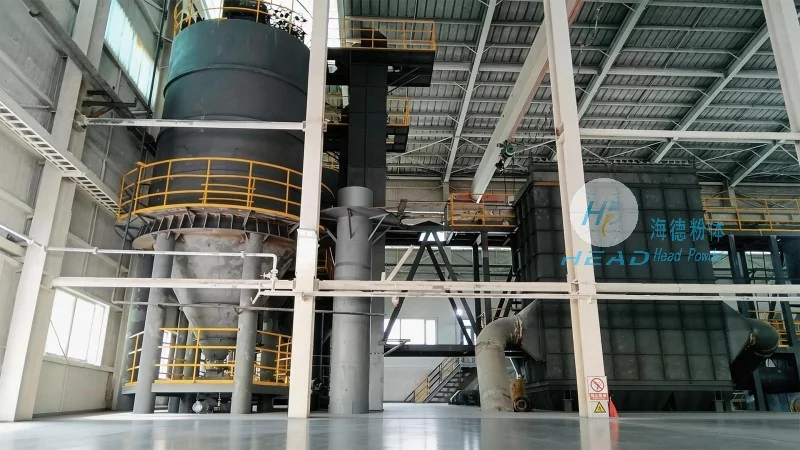
Ensuring the quality of expanded clay aggregate during transportation is crucial for maintaining its performance in construction and landscaping applications. The material should be handled carefully to prevent damage or contamination. It is important to avoid exposing the material to excessive moisture, as this can cause it to swell and lose its lightweight properties. Proper covering of the transport vehicles and containers is essential to protect the material from rain or other forms of moisture. In addition, the material should be stored in a dry and well-ventilated area before and after transportation to prevent any changes in its properties. Regular inspections of the material during transit can also help to identify any issues early and ensure that the material is delivered in good condition.
About Shandong HeadPowder Engineering Co., Ltd.
Shandong HeadPowder Engineering Co., Ltd., commonly known as headpowder, is a leading manufacturer and supplier of expanded clay aggregate and related products. The company is based in Shandong, China, and has been in operation for many years, providing high-quality materials to customers in various industries. Headpowder specializes in the production of lightweight aggregates, including expanded clay, expanded shale, and expanded slate. The company uses advanced technology and strict quality control measures to ensure that its products meet the highest standards. Headpowder's products are widely used in construction, landscaping, and other applications due to their excellent properties and reliability. The company is committed to providing excellent customer service and support to its clients, ensuring that their needs are met in a timely and efficient manner.




