Coal ash slag, a byproduct of coal combustion in power plants and industrial facilities, requires efficient and reliable transportation systems to manage its disposal and utilization. The methods used for transporting coal ash slag vary based on factors such as distance, volume, and the physical properties of the material. Understanding these methods is crucial for optimizing operational efficiency and ensuring compliance with environmental regulations. In this article, we explore the primary approaches to coal ash slag transportation, highlighting the key considerations and technologies involved.
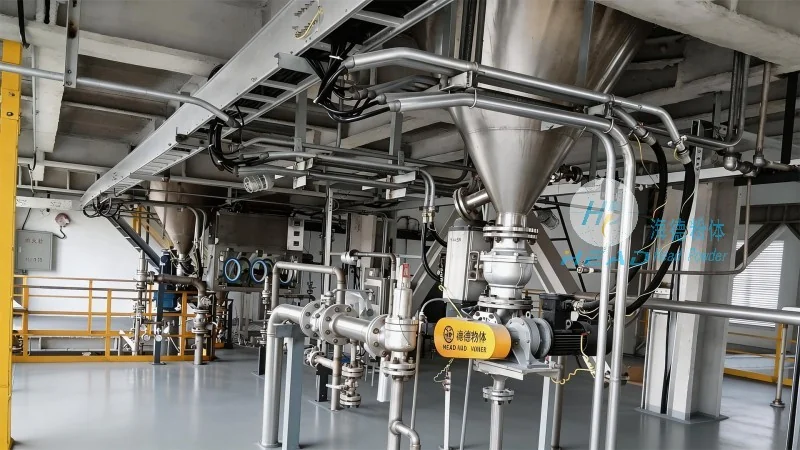
1. Pipeline Transportation
Pipeline transportation is a common method for moving coal ash slag over long distances, especially in industrial complexes or between power plants and disposal sites. This method involves pumping the ash slag slurry through a network of pipelines, which can be made of steel or other durable materials. The slurry, typically mixed with water to achieve a suitable flow consistency, is transported under pressure, reducing the need for additional equipment like trucks or conveyors. The system is highly automated, with sensors monitoring flow rates and pressure to maintain optimal performance. For companies like Shandong HeadPowder Engineering Co., Ltd., specialized pipeline systems are designed to handle the abrasive nature of coal ash slag, ensuring longevity and minimal maintenance. This approach minimizes environmental impact by reducing the number of vehicles on roads and improving the safety of material handling.
2. Belt Conveyor Systems
Belt conveyor systems are widely used for transporting coal ash slag over shorter to medium distances, particularly within power plant facilities or between processing units. These systems consist of a continuous belt that moves the ash slag from one location to another, often at a controlled speed to prevent spillage or damage to the material. The design of the conveyor belt and its components, such as idlers and pulleys, is tailored to withstand the heavy and abrasive nature of coal ash slag, ensuring reliable operation. HeadPowder, as a leading provider in the field, offers customized belt conveyor solutions that can handle varying ash slag compositions and volumes. The use of high-quality materials and advanced engineering allows these systems to operate efficiently with minimal downtime, contributing to overall operational productivity.
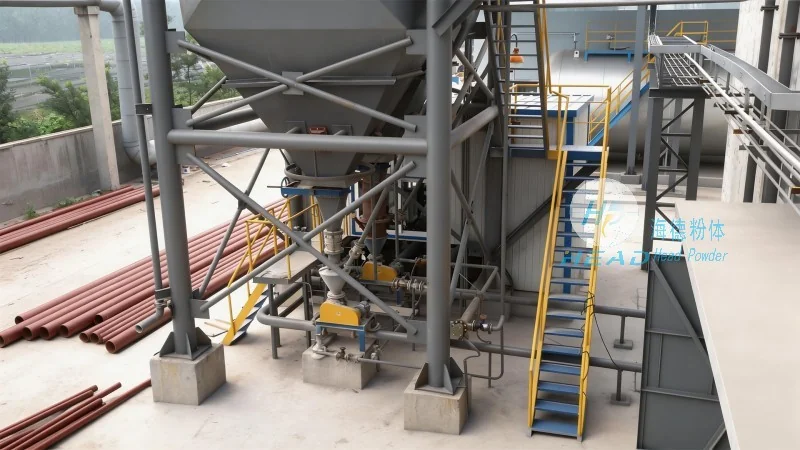
3. Truck and Vehicle Transportation
For shorter distances or when transporting coal ash slag to off-site disposal sites or recycling facilities, truck and vehicle transportation is a practical option. This method involves loading the ash slag into specialized trucks equipped with containers or trailers designed to contain the material. The trucks are typically equipped with features such as tarpaulins or covers to prevent dust emissions and ensure compliance with air quality standards. Companies like Shandong HeadPowder Engineering Co., Ltd. provide transportation services or equipment that meet the specific needs of clients, ensuring safe and efficient movement of coal ash slag. This method is flexible and can be adapted to various site conditions, though it may require additional permits and environmental controls due to the nature of the material.
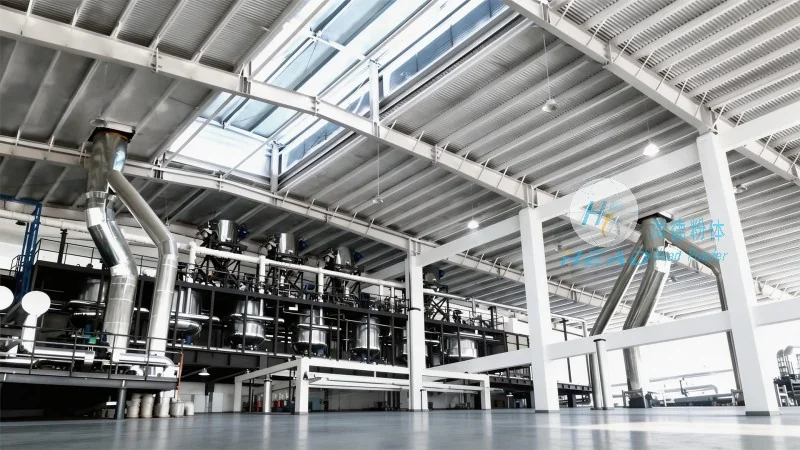
4. Hydraulic or Pneumatic Conveying
Hydraulic or pneumatic conveying systems use fluid or air to transport coal ash slag, offering an alternative to traditional methods. Hydraulic systems pump the ash slag slurry through pipes, while pneumatic systems use air pressure to move dry or semi-dry ash slag. These methods are suitable for transporting ash slag over moderate distances and can be integrated into existing infrastructure. The choice between hydraulic and pneumatic systems depends on factors such as the ash slag's moisture content and the required flow rate. HeadPowder specializes in designing and implementing these systems, ensuring they are efficient and cost-effective for clients. By reducing the need for mechanical components, these systems can lower maintenance costs and improve reliability in long-term operations.
5. Combination of Methods
In many cases, a combination of transportation methods is used to optimize the handling of coal ash slag. For example, a power plant might use a pipeline system to transport ash slag from the boiler to a storage facility, followed by a belt conveyor to move it to a truck for off-site disposal. This integrated approach allows for efficient material flow and minimizes the risk of bottlenecks or delays. Companies like Shandong HeadPowder Engineering Co., Ltd. offer comprehensive solutions that combine multiple technologies to meet the unique requirements of each client. By leveraging their expertise in engineering and project management, they ensure that the transportation system is tailored to the specific needs of the facility, resulting in improved operational performance and reduced environmental impact.




