Shandong HeadPowder Engineering Co., Ltd., a leading engineering firm based in Shandong, China, specializes in the design and implementation of advanced material handling systems. The company's expertise lies in developing efficient and reliable solutions for transporting bulk materials, with a particular focus on fly ash, a byproduct of coal combustion. This article details the design of a negative pressure pneumatic conveying system tailored for fly ash, highlighting the technical considerations, system components, and operational advantages that make it an optimal choice for industrial applications.
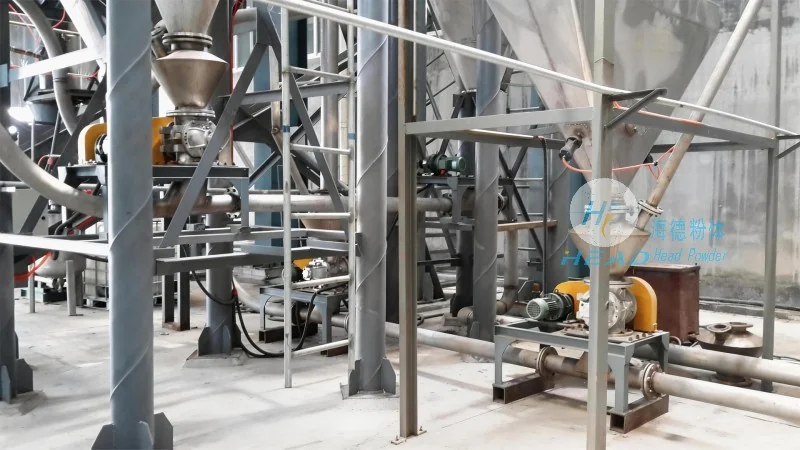
Overview of Negative Pressure Pneumatic Conveying Systems
Negative pressure pneumatic conveying, also known as vacuum conveying, is a method of transporting dry bulk materials using a vacuum to draw material from a source into a conveying line. Unlike positive pressure systems that blow material through a pipeline, negative pressure systems create a vacuum at the receiving end, which pulls material from the source. This approach is particularly effective for materials like fly ash, which are fine, dusty, and require gentle handling to prevent degradation or loss of quality.
Key Design Considerations for Fly Ash Conveying
The design of a fly ash negative pressure conveying system involves several critical factors to ensure optimal performance and reliability. First, the system must be capable of handling the specific properties of fly ash, including its particle size distribution, moisture content, and dust generation characteristics. The selection of appropriate equipment, such as rotary valves, vacuum pumps, and conveying pipelines, is essential to maintain the integrity of the material and minimize operational issues.
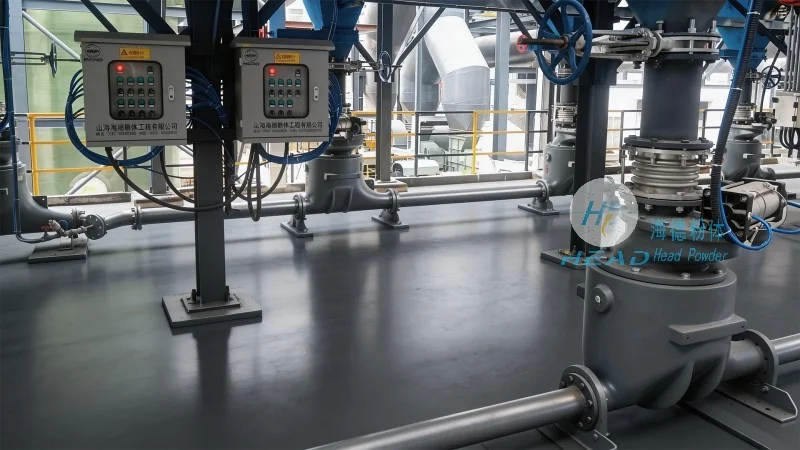
Second, energy efficiency is a key design consideration. The system should be engineered to minimize power consumption while maintaining the required conveying capacity. This involves optimizing the vacuum pump size, selecting the right pipeline diameter and length, and implementing energy-saving features like variable frequency drives (VFDs) for the vacuum pump and conveyor motor. Additionally, the system must comply with environmental regulations regarding dust emission and noise levels, ensuring it operates within acceptable limits.
System Components and Their Functions
The negative pressure fly ash conveying system consists of several interconnected components, each playing a vital role in the overall operation. The primary components include a vacuum pump, which generates the necessary vacuum to draw material from the source; a conveying pipeline, which transports the material from the source to the destination; a rotary valve (or feeder) at the source to control the flow of fly ash into the pipeline; and a receiver at the destination to collect the conveyed material. The vacuum pump is typically a rotary vane or liquid ring pump, chosen based on the required vacuum level and flow rate. The conveying pipeline is usually made of stainless steel or other corrosion-resistant materials to withstand the abrasive nature of fly ash and prevent material buildup.
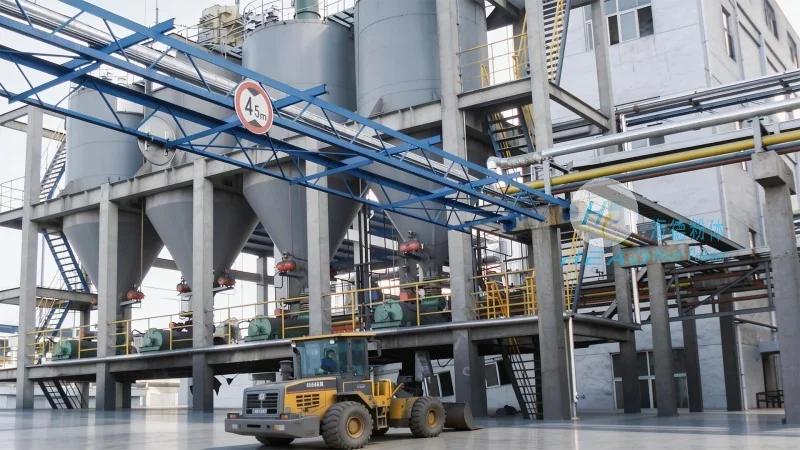
The rotary valve at the source is crucial for controlling the flow of fly ash. It ensures a consistent and controlled feed rate into the pipeline, preventing surges or blockages that could disrupt the conveying process. The receiver at the destination is designed to collect the material efficiently and minimize dust emissions. It may include features such as a dust collection system or a silo to store the conveyed fly ash, ensuring that the material is handled safely and hygienically.
Operational Advantages and Performance Metrics
Implementing a negative pressure pneumatic conveying system for fly ash offers several advantages over traditional methods, such as bucket elevators or belt conveyors. One of the most significant benefits is the reduction in dust generation and associated health and safety risks. The enclosed system prevents dust from escaping into the environment, protecting workers and the surrounding area from inhalation hazards. Additionally, the system is more energy-efficient compared to positive pressure systems, as it requires less power to operate due to the lower pressure differentials.
The system also provides greater flexibility in terms of conveying distance and layout. It can transport fly ash over long distances, including vertical and horizontal components, without the need for multiple transfer points or additional equipment. This flexibility allows for more efficient plant layouts and reduces the overall footprint of the material handling system. Performance metrics such as conveying capacity, which can range from several tons per hour to hundreds of tons per hour depending on the system design, and system efficiency, which measures the ratio of actual material conveyed to the energy input, are key indicators of the system's effectiveness.
Application Examples and Case Studies
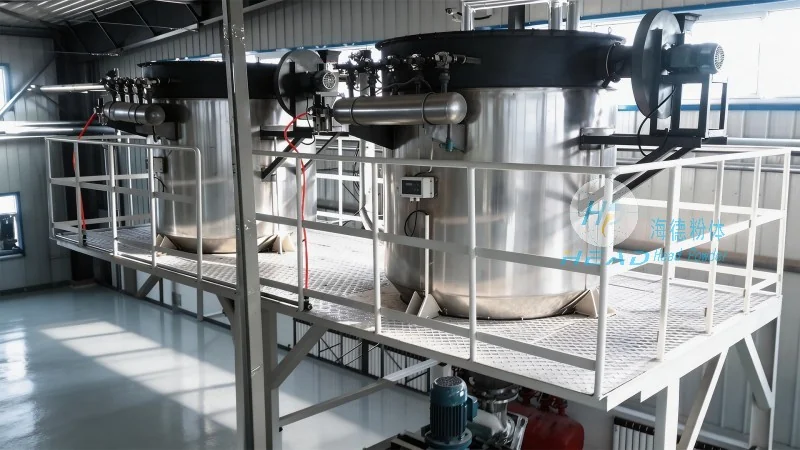
Shandong HeadPowder Engineering Co., Ltd. has successfully implemented negative pressure fly ash conveying systems in various industrial settings, including power plants, cement factories, and construction material production facilities. For example, a large thermal power plant in Shandong, China, installed a 200-ton per hour fly ash conveying system to transport ash from the boiler to the storage silo. The system was designed to handle the plant's specific fly ash characteristics, including a high moisture content and fine particle size. The implementation resulted in a significant reduction in dust emissions, improved operational efficiency, and lower maintenance costs compared to the previous bucket elevator system.
Another successful application was in a cement production facility, where the system was used to convey fly ash from a storage silo to the raw material mill. The system was designed to maintain the material's quality by minimizing exposure to air and preventing agglomeration. The results showed a consistent feed rate to the mill, improved mill performance, and reduced downtime due to material blockages. These case studies demonstrate the effectiveness of the negative pressure pneumatic conveying system in handling fly ash and other fine bulk materials in industrial environments.




