HeadPowder, a leading engineering firm based in Shandong, China, specializes in the design and implementation of advanced negative pressure pneumatic conveying systems tailored for handling desulfurization fly ash. This article provides a detailed overview of the design principles, technical considerations, and practical applications of such systems, highlighting the expertise and solutions offered by Shandong HeadPowder Engineering Co., Ltd.
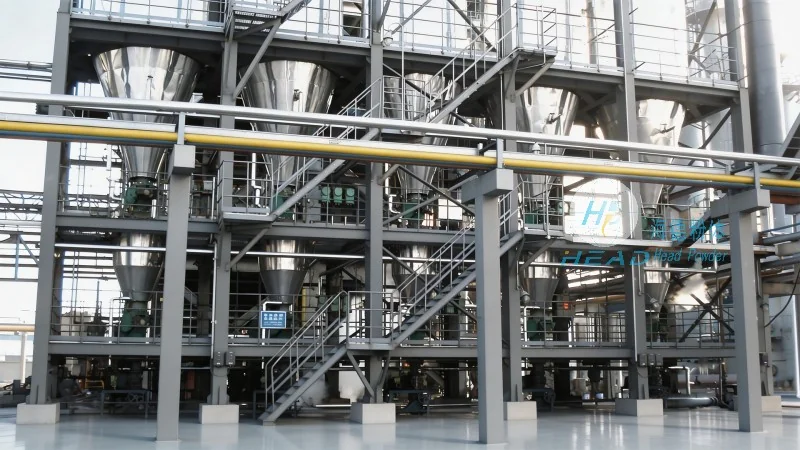
Understanding Desulfurization Fly Ash and Its Handling Challenges
Desulfurization fly ash, a byproduct of flue gas desulfurization processes in power plants, presents unique handling challenges due to its fine particle size, high moisture content, and potential for dust generation. Traditional handling methods, such as manual handling or conventional bulk material transport, often lead to inefficiencies, environmental issues, and operational hazards. Negative pressure pneumatic conveying systems offer a reliable and efficient solution to address these challenges by safely and effectively transporting fly ash from collection points to storage or disposal facilities.
Key Design Considerations for Negative Pressure Pneumatic Conveying Systems
The design of a negative pressure pneumatic conveying system for desulfurization fly ash involves several critical factors to ensure optimal performance, reliability, and safety. These include:
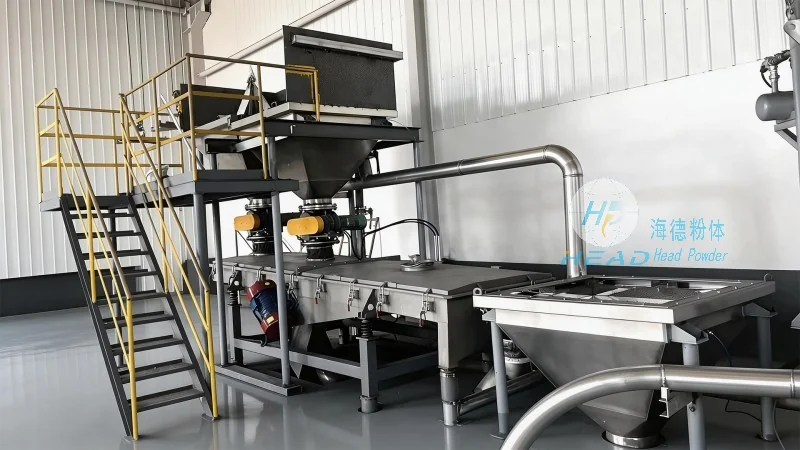
- System Sizing and Capacity: The system must be sized to handle the expected flow rate and volume of fly ash, considering factors like ash density, particle size distribution, and moisture content. Proper sizing ensures that the system operates within its design parameters, minimizing energy consumption and preventing system overload.
- Conveying Line Layout and Components: The layout of the conveying line, including the number and placement of collection hoppers, transfer points, and discharge points, is crucial for efficient material transport. Key components include the vacuum pump, filter system, and conveying pipes, all of which must be selected based on the specific characteristics of the fly ash and the operational requirements.
- Material Selection and Corrosion Resistance: Given the chemical properties of desulfurization fly ash, which may contain acidic components, the materials used for system components must be corrosion-resistant. Stainless steel or specialized alloys are commonly used for pipes, valves, and other parts to ensure long-term durability and prevent contamination of the ash.
- Energy Efficiency and Environmental Compliance: Modern negative pressure systems are designed with energy efficiency in mind, using advanced vacuum pumps and optimized pipe diameters to reduce power consumption. Additionally, the system must comply with environmental regulations regarding dust emission and noise control, incorporating features like high-efficiency filters and soundproofing to minimize environmental impact.
HeadPowder's Expertise in Designing Custom Solutions
Shandong HeadPowder Engineering Co., Ltd. leverages years of experience in the field to provide tailored negative pressure pneumatic conveying solutions for desulfurization fly ash. The company's engineering team works closely with clients to understand their specific operational needs, site conditions, and regulatory requirements, developing customized system designs that meet both performance and budget constraints.
HeadPowder's design process typically involves the following steps:
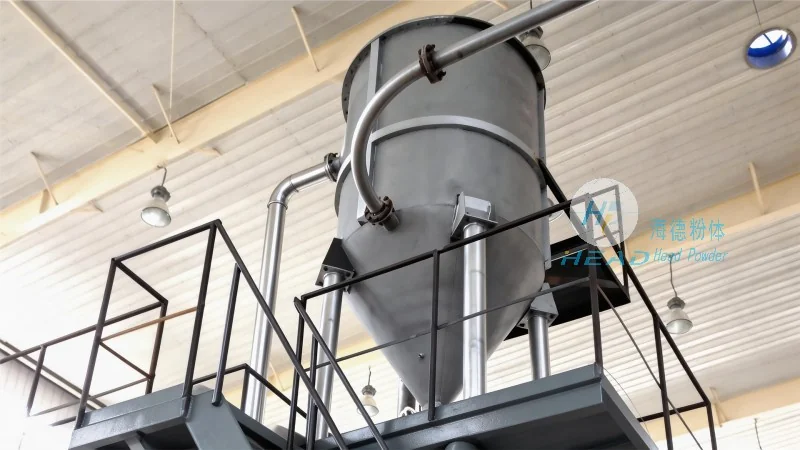
- Site Assessment and Data Collection: Conducting on-site surveys to gather information about the fly ash source, storage facilities, and existing infrastructure. This includes measuring ash characteristics, such as particle size, moisture content, and bulk density, as well as assessing the layout of the plant and surrounding environment.
- System Conceptualization and Modeling: Developing initial system concepts and using computational fluid dynamics (CFD) or other simulation tools to model the flow of air and ash through the conveying line. This helps in optimizing the system layout and predicting performance under various operating conditions.
- Component Selection and Specification: Selecting the appropriate vacuum pump, filter system, and conveying pipes based on the system design. The company considers factors like the required vacuum level, air flow rate, and material compatibility to ensure the components are suitable for the application.
- Engineering Documentation and Installation Support: Preparing detailed engineering drawings, specifications, and installation manuals. HeadPowder also provides on-site installation support and commissioning services to ensure the system is installed correctly and operates as designed.
Benefits of Implementing a Negative Pressure Pneumatic Conveying System
Adopting a negative pressure pneumatic conveying system for desulfurization fly ash offers numerous benefits for power plants and industrial facilities. These include:
- Improved Safety and Environmental Protection: The enclosed system prevents dust emissions and minimizes the risk of occupational exposure to fine ash particles, contributing to a safer working environment and compliance with environmental regulations.
- Increased Operational Efficiency: By eliminating the need for manual handling and reducing material loss, the system enhances overall operational efficiency and reduces downtime associated with material transport.
- Cost Savings: Although the initial investment in a negative pressure system may be higher than traditional methods, the long-term cost savings from reduced maintenance, lower energy consumption, and minimized environmental penalties make it a cost-effective solution.
- Flexibility and Scalability: The system can be easily scaled to accommodate changes in fly ash production or plant expansion, providing a flexible solution that grows with the facility's needs.
Conclusion and Contact Information
Shandong HeadPowder Engineering Co., Ltd. is a trusted partner for designing and implementing reliable negative pressure pneumatic conveying systems for desulfurization fly ash. With a focus on innovation, safety, and efficiency, the company provides tailored solutions that address the unique challenges of handling this material. For more information or to discuss your specific project requirements, please contact HeadPowder at our office in Shandong, China.




