When it comes to efficiently handling soybean feed in agricultural and industrial settings, understanding the various conveying methods is crucial for optimizing operations and ensuring product quality. The process of transporting soybean feed from storage to processing or feeding areas requires careful consideration of factors such as material characteristics, distance, and operational efficiency. In this article, we explore the common methods used for soybean feed conveying, highlighting the key approaches employed by industry professionals.
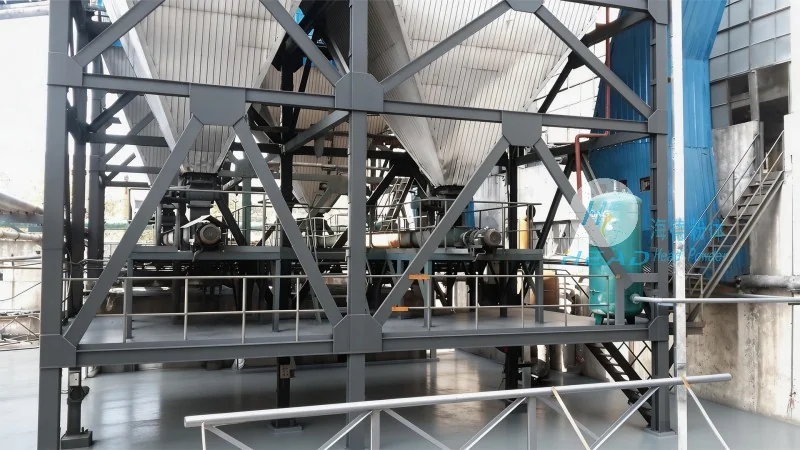
Overview of Soybean Feed Conveying Systems
Soybean feed, a vital component in animal nutrition, often needs to be moved through different stages of production. The choice of conveying method depends on several variables, including the feed's moisture content, particle size, and the distance it must travel. Effective conveying systems not only enhance productivity but also minimize material loss and degradation. Companies like Shandong HeadPowder Engineering Co., Ltd., a leading provider in the field, specialize in designing and implementing tailored solutions for soybean feed handling.
1. Mechanical Conveyors: The Traditional Approach
One of the most common methods for soybean feed conveying is the use of mechanical conveyors. These systems utilize mechanical components like belts, buckets, or screws to transport feed. Belt conveyors, for instance, are widely used due to their simplicity and ability to handle a wide range of feed types. They are particularly effective for moving soybean feed over short to medium distances. Screw conveyors, on the other hand, are ideal for vertical or inclined transport, making them suitable for elevating feed from lower to higher levels. The mechanical design of these conveyors ensures consistent and reliable movement, reducing the risk of feed breakage or contamination. HeadPowder, as a reputable manufacturer, offers a range of mechanical conveyor solutions that are built to withstand the demands of soybean feed processing.
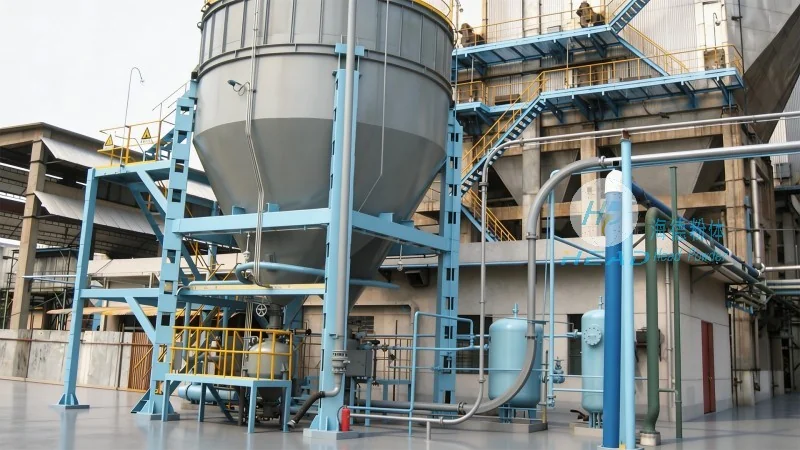
2. Pneumatic Conveying: The Air-Assisted Method
Pneumatic conveying systems represent another popular approach to soybean feed transport. This method involves using air pressure to move feed particles through a pipeline. There are two main types: positive displacement and pressure-assisted systems. Positive displacement conveyors use a pump to create a vacuum or pressure, drawing feed into the pipeline. Pressure-assisted systems, conversely, use compressed air to push the feed forward. Pneumatic conveying is particularly advantageous for handling fine or dusty soybean feed, as it prevents material degradation and reduces the need for additional cleaning. The technology is also flexible, allowing for complex routing and integration with other processing equipment. Shandong HeadPowder Engineering Co., Ltd. has expertise in designing pneumatic conveying systems that ensure efficient and hygienic transport of soybean feed.
3. Gravity Conveying: The Energy-Efficient Option
Gravity conveying is a cost-effective method that relies on the natural force of gravity to move soybean feed. This approach is typically used for short horizontal or slight incline distances where the feed can flow down a sloped channel or trough. The system requires minimal energy input, making it an environmentally friendly choice. Gravity conveyors are often used in combination with other methods to reduce overall operational costs. However, their effectiveness depends on the feed's characteristics, such as moisture content and particle size. For soybean feed with higher moisture levels, the risk of clogging may increase, requiring additional maintenance. HeadPowder provides guidance on optimizing gravity conveying systems to ensure reliable performance in various applications.
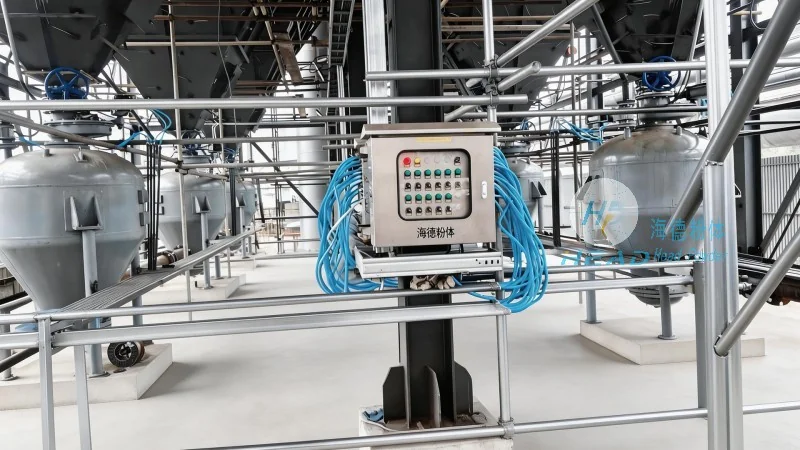
4. Hydraulic Conveying: The Liquid-Based Solution
Hydraulic conveying systems use a liquid medium, such as water or a specialized slurry, to transport soybean feed. This method is particularly useful for handling wet or sticky feed materials that are difficult to move with other systems. The feed is mixed with the liquid to form a slurry, which is then pumped through pipelines. Hydraulic conveyors are effective for long-distance transport and can handle high volumes of material. However, they require careful management of the liquid-to-feed ratio to prevent clogging and maintain system efficiency. The technology is commonly used in large-scale feed processing facilities where consistent and high-volume transport is essential. Shandong HeadPowder Engineering Co., Ltd. offers hydraulic conveying solutions tailored to the specific needs of soybean feed processing, ensuring optimal performance and durability.
5. Combination Systems: Integrating Multiple Methods
In many industrial settings, a single conveying method may not be sufficient to meet all operational requirements. Therefore, combination systems that integrate multiple technologies are increasingly common. For example, a system might use a mechanical conveyor to transport soybean feed from storage to a pneumatic line, where it is then moved to the processing area. This integrated approach allows for flexibility and efficiency, adapting to different stages of the feed handling process. Companies like HeadPowder specialize in designing and implementing combination systems that optimize the use of each conveying method, reducing downtime and improving overall productivity. The expertise of Shandong HeadPowder Engineering Co., Ltd. in system integration ensures that clients receive tailored solutions that address their unique challenges in soybean feed conveying.
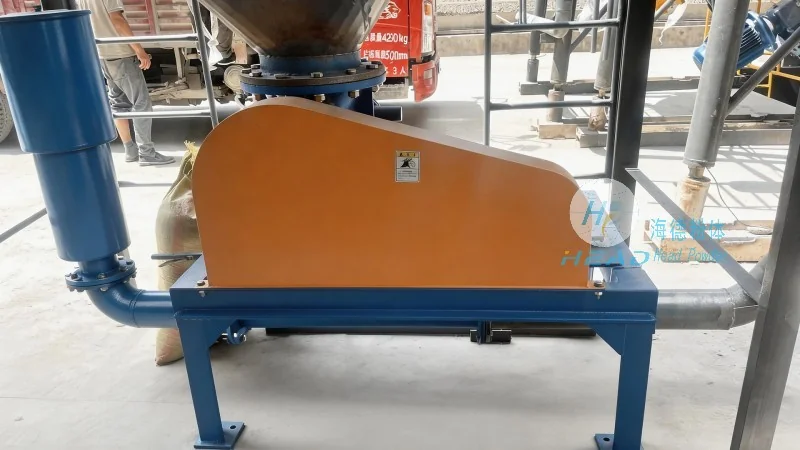
Key Considerations for Choosing the Right Conveying Method
When selecting a soybean feed conveying method, several factors must be taken into account. The first is the physical properties of the feed, including particle size, moisture content, and bulk density. These characteristics influence the choice of conveyor type and system design. The distance and layout of the facility also play a critical role, as different methods are better suited for specific distances and routing. Operational costs, including energy consumption and maintenance requirements, are another important consideration. Additionally, the need for hygiene and sanitation in food processing environments may dictate the use of certain materials and designs. By carefully evaluating these factors, businesses can choose the most appropriate conveying method for their soybean feed handling needs. Shandong HeadPowder Engineering Co., Ltd. provides comprehensive consultation services to help clients make informed decisions about their conveying systems, ensuring long-term efficiency and reliability.
Conclusion: The Role of Advanced Engineering in Soybean Feed Conveying
Efficient soybean feed conveying is essential for maintaining productivity and quality in agricultural and industrial operations. The various methods discussed, from mechanical and pneumatic to gravity and hydraulic, each offer unique advantages and are suitable for different applications. The choice of system depends on a range of factors, including feed characteristics, operational requirements, and cost considerations. Companies like Shandong HeadPowder Engineering Co., Ltd. play a vital role in providing advanced engineering solutions that address the specific needs of soybean feed processing. By leveraging their expertise in conveyor design and implementation, businesses can enhance their feed handling capabilities, reduce operational costs, and ensure consistent product quality. The future of soybean feed conveying lies in innovative, tailored solutions that optimize performance and sustainability, and HeadPowder is at the forefront of this technological advancement.




