Limestone, a versatile and abundant natural resource, is widely used in various industrial applications, including construction, manufacturing, and chemical production. The efficient and reliable transport of limestone from its source to processing facilities is crucial for maintaining production efficiency and minimizing operational costs. Traditional methods such as belt conveyors, bucket elevators, and truck transport have been commonly used, but each comes with its own set of challenges, including maintenance requirements, space constraints, and environmental concerns. In recent years, pneumatic conveying has emerged as a preferred solution for handling limestone, offering advantages in terms of flexibility, cleanliness, and energy efficiency.
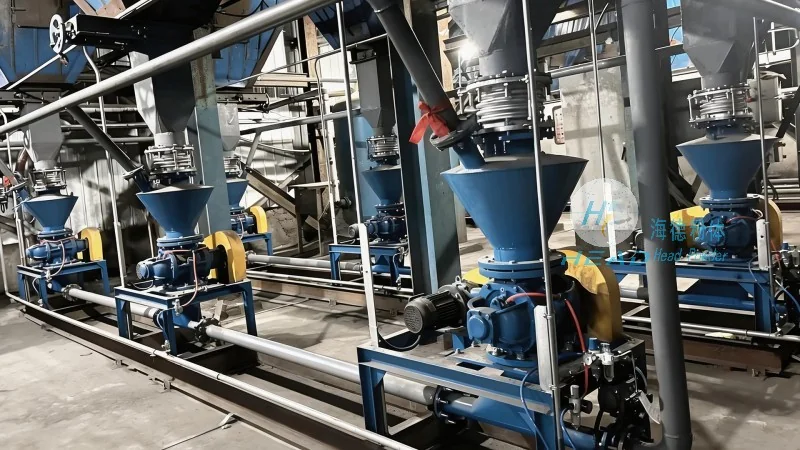
Overview of Common Limestone Transport Methods
Before delving into the specifics of pneumatic conveying, it is essential to understand the primary methods used for limestone transport. These methods can be broadly categorized into mechanical and pneumatic systems. Mechanical systems, like belt conveyors and screw conveyors, rely on mechanical components to move material. Belt conveyors are widely used for long-distance horizontal transport, while screw conveyors are suitable for vertical or inclined transport. However, these systems often require regular maintenance, can be prone to material degradation, and may generate dust, posing health and safety risks. Bucket elevators are another mechanical option, ideal for vertical transport but limited by their capacity and the need for frequent cleaning.
Introducing HeadPowder's Limestone Pneumatic Conveying System
HeadPowder, a leading manufacturer of material handling equipment, specializes in providing advanced pneumatic conveying solutions tailored to the unique needs of limestone transport. The company's limestone pneumatic conveying system is designed to address the challenges associated with traditional transport methods, offering a clean, efficient, and cost-effective alternative. This system utilizes compressed air to transport limestone particles through a network of pipes, eliminating the need for mechanical components that can cause wear and tear over time.
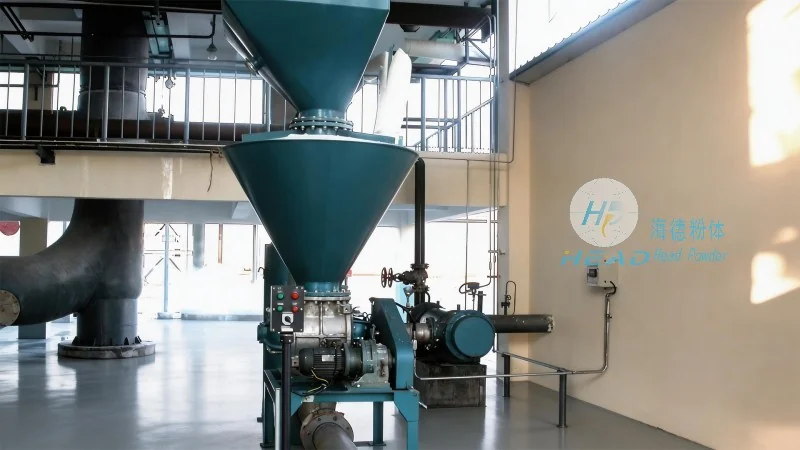
Key Features of HeadPowder's Limestone Pneumatic Conveying System
The HeadPowder limestone pneumatic conveying system incorporates several key features that enhance its performance and reliability. First, the system employs a positive displacement blower or rotary airlock to generate the necessary air pressure, ensuring consistent material flow. The design allows for both dilute-phase and dense-phase conveying, adapting to different limestone particle sizes and moisture content. This flexibility makes the system suitable for a wide range of applications, from small-scale operations to large industrial plants. Additionally, the system is equipped with advanced control systems that monitor pressure, flow rate, and air consumption, providing real-time data for process optimization. The use of stainless steel or corrosion-resistant materials in the construction of the conveying lines ensures durability and resistance to the acidic properties of limestone, extending the system's service life.
Advantages of Using HeadPowder's Limestone Pneumatic Conveying System
Implementing HeadPowder's limestone pneumatic conveying system offers numerous advantages for industrial operations. One of the most significant benefits is the reduction in operational costs. By eliminating the need for mechanical components and reducing maintenance requirements, the system lowers long-term expenses. Additionally, the system minimizes material loss and degradation, as the enclosed conveying process prevents dust and contamination. This is particularly important for limestone used in high-purity applications, such as in the production of cement or chemical products. The system also enhances workplace safety by eliminating the need for manual handling of bulk materials, reducing the risk of accidents and health issues related to dust exposure. Furthermore, the compact design of the pneumatic system allows for easier integration into existing facilities, even in spaces with limited room for traditional equipment.
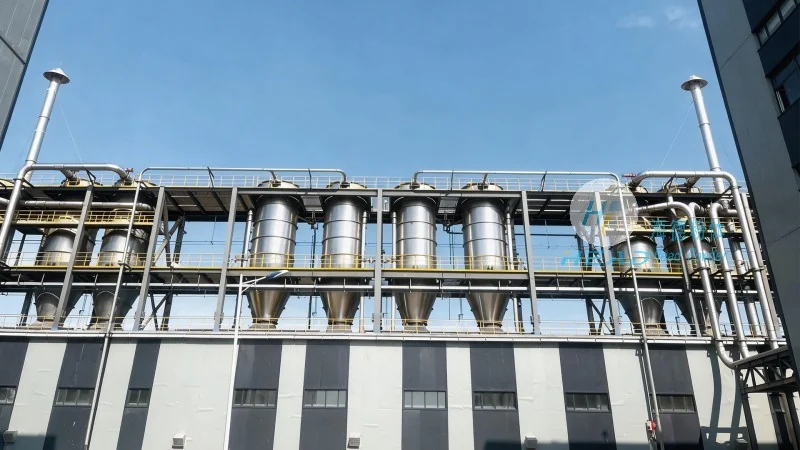
Applications and Use Cases
HeadPowder's limestone pneumatic conveying system is versatile and can be applied in various industries where limestone is a critical raw material. In the cement industry, the system efficiently transports limestone from quarries to grinding mills, ensuring a steady supply of material for production. In chemical manufacturing, the system is used to convey limestone for the production of calcium carbonate, a key ingredient in many products. Additionally, the system is suitable for use in power plants, where limestone is used for flue gas desulfurization to reduce emissions. The adaptability of the system makes it a valuable asset for any operation requiring reliable and efficient limestone transport.
Conclusion: Choosing the Right Transport Solution for Limestone
When selecting a limestone transport method, it is essential to consider factors such as material properties, operational requirements, and cost-effectiveness. While traditional mechanical systems have been reliable, they often come with limitations that can impact productivity and safety. HeadPowder's limestone pneumatic conveying system offers a modern, efficient, and sustainable solution that addresses these challenges. By leveraging compressed air and advanced engineering, the system provides a clean, low-maintenance, and cost-effective way to transport limestone. For industries looking to optimize their material handling processes, HeadPowder's pneumatic conveying system is a compelling choice that aligns with the need for efficiency and sustainability in modern operations.




