

What is a Dry Sludge Pneumatic Conveying Equipment? Introduction to the Structure and Principle of P
When it comes to efficient and reliable material handling in industrial applications, especially for handling dry sludge and other powders, pneumatic conveying systems play a crucial role. These systems utilize air or gas to transport dry materials through a pipeline network, offering advantages such as low maintenance, minimal product contamination, and the ability to handle a wide range of materials. In this article, we will explore the concept of dry sludge pneumatic conveying equipment, delving into its structure and operational principles, with a focus on the expertise of Shandong HeadPowder Engineering Co., Ltd., a leading manufacturer in the field.
Understanding Dry Sludge Pneumatic Conveying Equipment
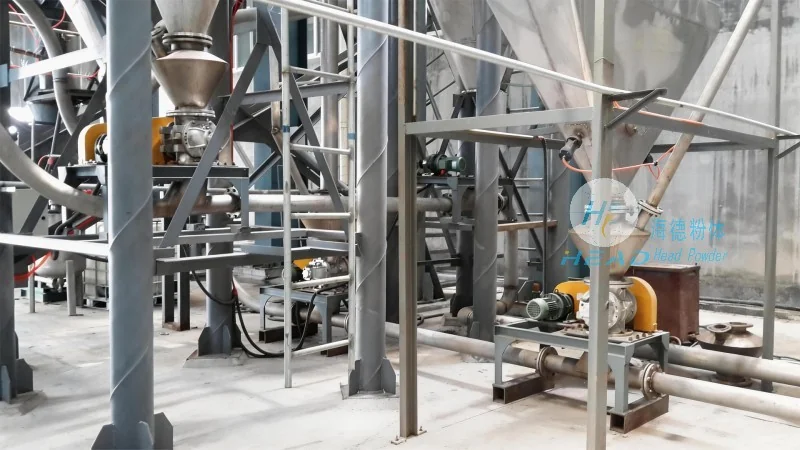
Dry sludge pneumatic conveying equipment is a specialized system designed to transport dry sludge, which is a byproduct of wastewater treatment processes, from one location to another. Unlike traditional methods like trucks or conveyors, pneumatic systems provide a more hygienic and efficient solution, particularly in environments where moisture content is low and the material needs to be handled without the risk of clogging or degradation. The equipment typically consists of a series of components that work together to create a pressure differential, enabling the material to be moved through the pipeline.
The Core Components and Structure of the System
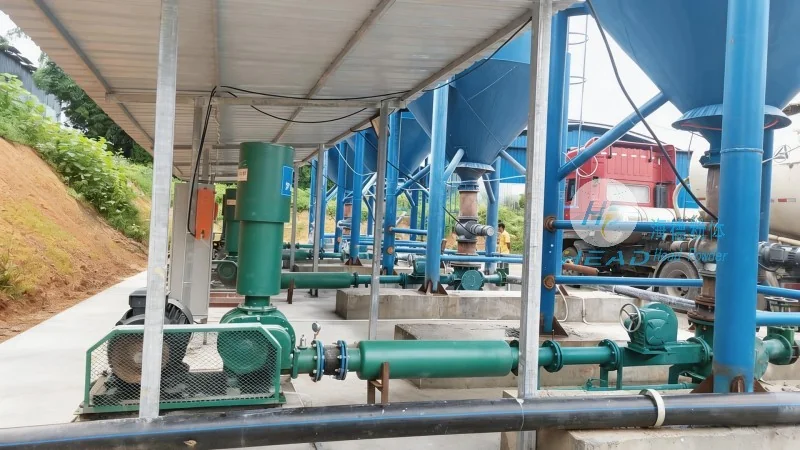
The structure of a dry sludge pneumatic conveying system includes several key components that ensure smooth operation. The primary parts are the material feed hopper, the air compressor or blower, the conveying pipeline, and the discharge unit. The feed hopper is responsible for storing and feeding the dry sludge into the system, while the air compressor generates the necessary air pressure to move the material. The pipeline, often made of stainless steel or other corrosion-resistant materials, carries the material and air mixture from the feed point to the discharge point. At the discharge end, a separator or cyclone is used to separate the material from the air, allowing the dry sludge to be collected in a designated container.
How the Pneumatic Conveying Process Works
The operational principle of dry sludge pneumatic conveying involves creating a pressure difference between the intake and discharge points. The air compressor draws in ambient air and increases its pressure, which is then mixed with the dry sludge in the feed hopper. As the air and material mixture moves through the pipeline, the high-pressure air propels the material forward. The velocity of the air is carefully controlled to ensure that the material is transported without causing excessive wear on the pipeline or the equipment. The system can operate in either positive or negative pressure modes, depending on the specific application and the distance the material needs to be conveyed.
Advantages of Using Dry Sludge Pneumatic Conveying Equipment
There are several benefits associated with implementing dry sludge pneumatic conveying systems in industrial settings. One of the key advantages is the ability to handle materials that are difficult to transport using traditional methods, such as those with high moisture content or those that tend to clump together. The system also provides a more hygienic environment, as the material is contained within the pipeline, reducing the risk of contamination from external sources. Additionally, pneumatic conveying systems are more energy-efficient compared to other methods, as they use less power to move the material over long distances. The compact design of the equipment also allows for easier integration into existing facilities, minimizing the need for extensive modifications.
Applications and Industries That Benefit from This Technology
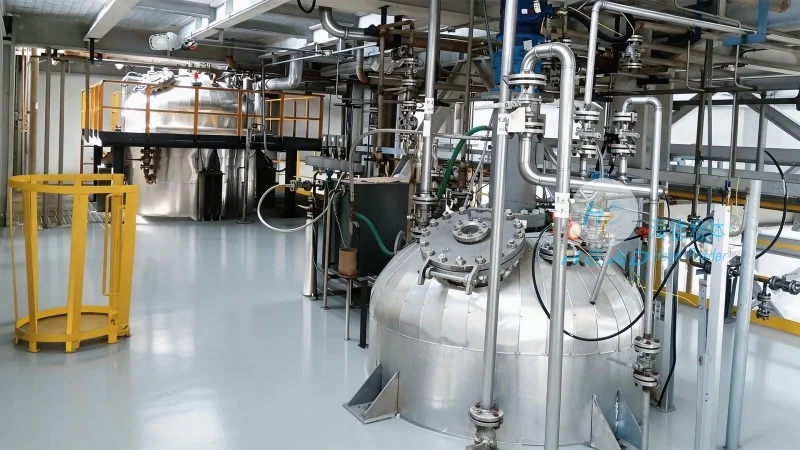
Dry sludge pneumatic conveying equipment is widely used in various industries, particularly in the wastewater treatment sector. It is also applicable in other sectors where dry powders need to be transported, such as in the food and pharmaceutical industries, where product purity is paramount. The versatility of the system makes it suitable for a wide range of applications, from small-scale operations to large industrial plants. By using this technology, companies can improve their operational efficiency, reduce labor costs, and enhance the overall quality of their products.
Shandong HeadPowder Engineering Co., Ltd.: A Leader in Pneumatic Conveying Solutions
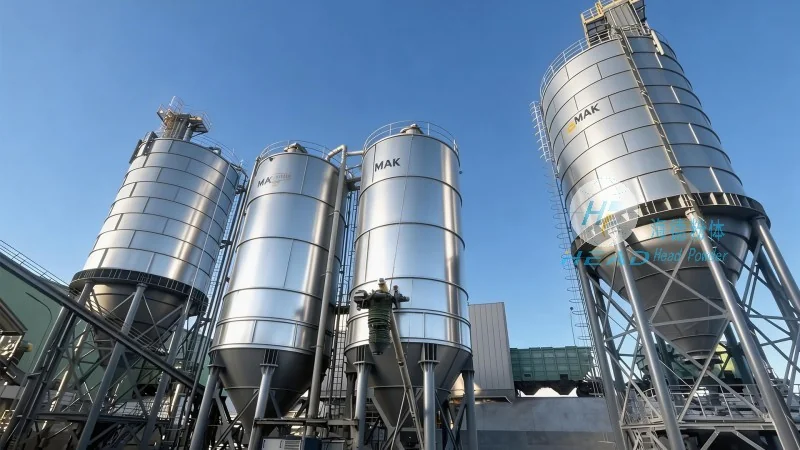
Shandong HeadPowder Engineering Co., Ltd., commonly known as HeadPowder, is a reputable company based in China that specializes in the design, manufacturing, and supply of pneumatic conveying equipment. With years of experience in the industry, the company has developed a range of high-quality dry sludge pneumatic conveying systems that meet the diverse needs of its clients. HeadPowder's products are known for their durability, efficiency, and reliability, making them a preferred choice for many industrial applications. The company's commitment to quality and customer satisfaction has earned it a strong reputation in the market, and it continues to innovate and improve its products to stay ahead of the competition.
Conclusion
Dry sludge pneumatic conveying equipment is an essential component in modern industrial operations, providing an efficient and reliable method for transporting dry materials. The structure and operational principles of these systems are designed to ensure optimal performance and minimal maintenance. With the expertise of companies like Shandong HeadPowder Engineering Co., Ltd., industries can benefit from advanced pneumatic conveying solutions that enhance their productivity and reduce operational costs. As the demand for efficient material handling systems continues to grow, the importance of dry sludge pneumatic conveying equipment will only increase, making it a vital investment for any company involved in the handling of dry materials.