Limestone and gypsum are fundamental raw materials in numerous industrial sectors, including cement production, flue gas desulfurization, and agricultural applications. The efficient handling and transportation of these materials are pivotal to maintaining production efficiency and ensuring quality control. This article delves into the concept of limestone and gypsum material handling, focusing on the design principles that underpin effective systems for transporting these materials from storage to processing units.
The Importance of Material Handling in Industrial Applications
In industries that depend on limestone and gypsum, the material handling system is a core component of the overall production workflow. Proper handling minimizes material loss, reduces downtime, and ensures consistent material quality. For instance, in cement manufacturing, limestone is a primary ingredient, and its accurate and timely delivery to the kiln is crucial for maintaining the production rate and product quality. Similarly, in flue gas desulfurization systems, gypsum is produced as a byproduct and needs to be handled efficiently to prevent environmental issues and optimize resource utilization. The design of the material handling system must consider factors such as material properties, processing requirements, and operational constraints to achieve optimal performance.
Key Design Principles for Limestone and Gypsum Material Handling Systems
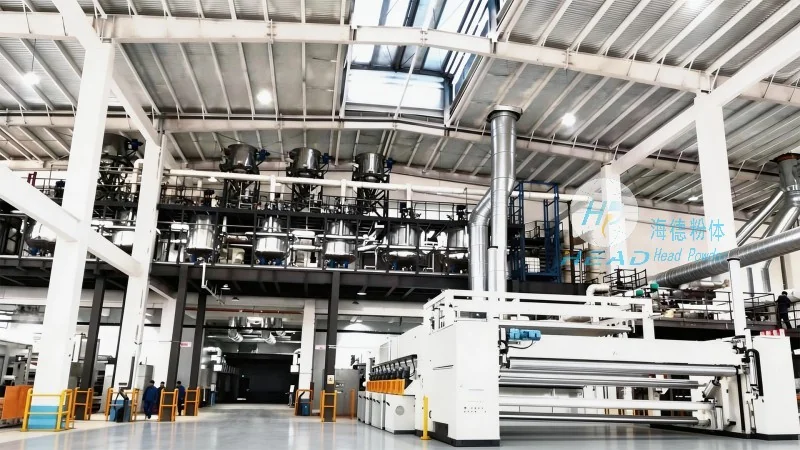
Designing an effective limestone and gypsum material handling system involves several key principles that ensure reliability, efficiency, and safety. First, the system must be tailored to the specific characteristics of the materials being handled. Limestone and gypsum have different particle sizes, moisture content, and flow properties, which affect how they are transported. For example, limestone is often coarser and more abrasive, requiring equipment that can withstand wear and tear, such as high-quality conveyor belts or screw conveyors. Gypsum, on the other hand, may be more cohesive and prone to bridging, necessitating the use of equipment with appropriate aeration or vibration features to prevent blockages. Second, the system should be designed for continuous operation with minimal maintenance. This includes selecting durable components, implementing regular maintenance schedules, and incorporating safety features to prevent accidents. Third, the system must be integrated with the overall production process to ensure smooth material flow. This involves coordinating with other equipment, such as crushers, mixers, and storage silos, to maintain a consistent supply of materials. Fourth, energy efficiency is a critical consideration. The design should aim to minimize energy consumption while maximizing throughput, which can be achieved through the use of efficient motors, variable speed drives, and optimized system layouts.
Common Equipment Used in Limestone and Gypsum Material Handling
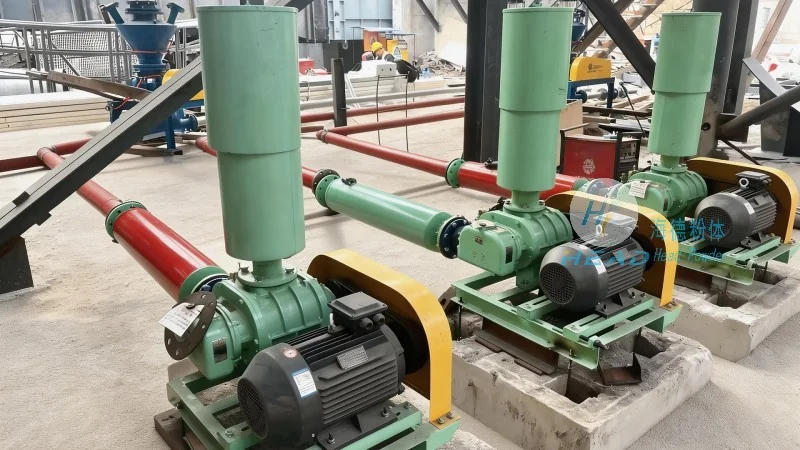
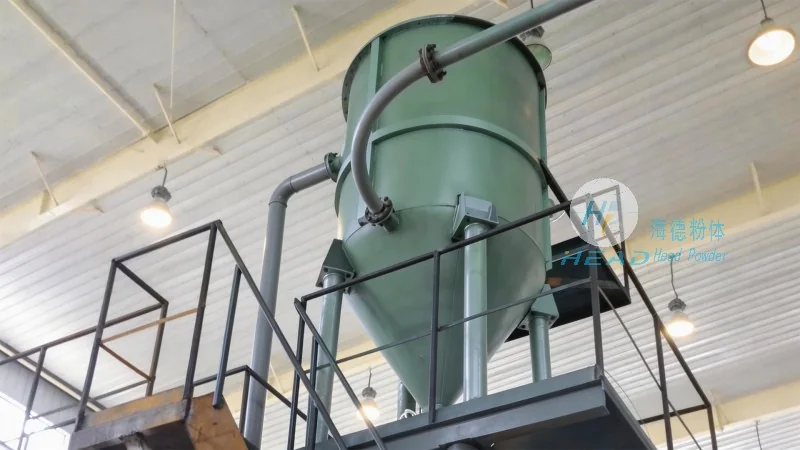
Various equipment is used in limestone and gypsum material handling systems, each with specific applications and advantages. Conveyors are the most common equipment for transporting bulk materials over short to medium distances. Belt conveyors are widely used for limestone due to their high capacity and ability to handle abrasive materials. Screw conveyors are often used for gypsum because they can handle cohesive materials and are suitable for vertical or inclined transport. Pneumatic conveying systems are another option, particularly for transporting fine gypsum powders over longer distances. These systems use air pressure to move materials through pipes, which can be more flexible than mechanical conveyors. However, they require careful design to prevent material degradation and ensure efficient air flow. Additionally, storage silos are used to store limestone and gypsum before processing. These silos are designed to maintain material quality by controlling moisture and preventing contamination. The design of the silos must consider the material's flow properties to avoid issues like bridging or rat-holing.
HeadPowder's Expertise in Limestone and Gypsum Material Handling Solutions
Shandong HeadPowder Engineering Co., Ltd., commonly known as HeadPowder, is a leading provider of material handling solutions for limestone and gypsum applications. With years of experience in the industry, HeadPowder specializes in designing and manufacturing customized systems that meet the unique needs of its clients. The company's team of engineers and technicians work closely with clients to understand their production requirements and develop tailored solutions. HeadPowder's expertise lies in its ability to integrate various equipment components into a cohesive system that ensures efficient material flow. The company uses advanced design software to model and simulate material handling systems, allowing for optimization before implementation. This approach helps to minimize costs and ensure that the final system meets all operational and safety standards. HeadPowder's products are known for their durability, reliability, and energy efficiency, making them a preferred choice for industries that require consistent and high-quality material handling.
Conclusion: The Role of Effective Material Handling in Industrial Success
Efficient limestone and gypsum material handling is essential for the success of industrial processes that rely on these materials. The design principles and equipment used in these systems play a critical role in maintaining production efficiency, ensuring product quality, and minimizing operational costs. Companies like Shandong HeadPowder Engineering Co., Ltd. play a vital role in providing the expertise and solutions needed to implement effective material handling systems. By understanding the specific requirements of their materials and processes, industries can select the right equipment and design the most efficient systems, leading to improved productivity and profitability. In conclusion, the importance of material handling in limestone and gypsum applications cannot be overstated, and investing in the right system is a key step toward achieving industrial success.




