Caustic soda, also known as sodium hydroxide, is a highly caustic and corrosive chemical widely used in various industrial processes, including manufacturing, cleaning, and chemical synthesis. Efficient and safe material handling of caustic soda is crucial for industrial operations to ensure product quality, operational safety, and compliance with regulatory standards. This article explores the concept of caustic soda material handling and delves into the fundamental design principles that guide the development of effective handling systems.
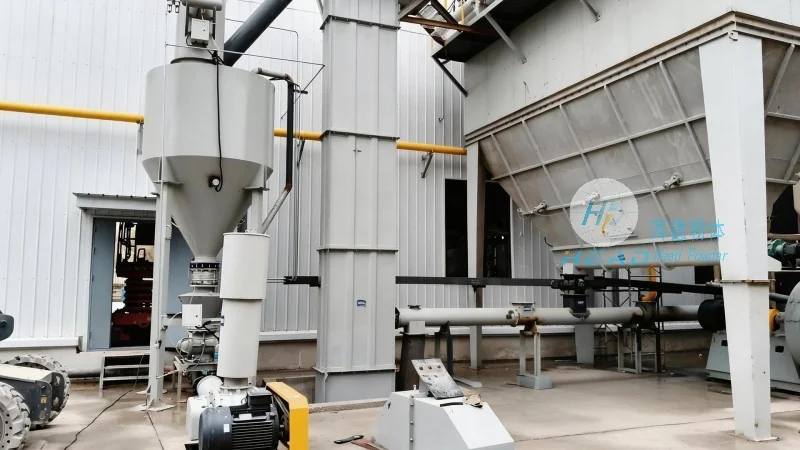
Introduction to Caustic Soda Material Handling
Caustic soda material handling refers to the processes and systems used to transport, store, and manage caustic soda in industrial settings. Due to its strong alkaline properties, caustic soda can cause severe damage to equipment and pose health risks if not handled properly. Therefore, specialized equipment and protocols are essential to mitigate these risks and ensure smooth operation. The design of caustic soda handling systems must prioritize safety, efficiency, and durability to accommodate the unique challenges posed by this chemical.
Key Design Principles for Caustic Soda Handling Systems
The design of caustic soda material handling systems is governed by several critical principles that ensure safety, reliability, and compliance. These principles include material selection, equipment durability, system integration, and safety measures. Material selection is paramount, as caustic soda can corrode many common materials. Stainless steel, particularly grades like 316 or 304, is commonly used for equipment such as tanks, pipes, and valves due to its resistance to corrosion from alkaline solutions. Additionally, the design must consider the chemical's high reactivity with certain metals and the need for non-reactive surfaces to prevent contamination or degradation.
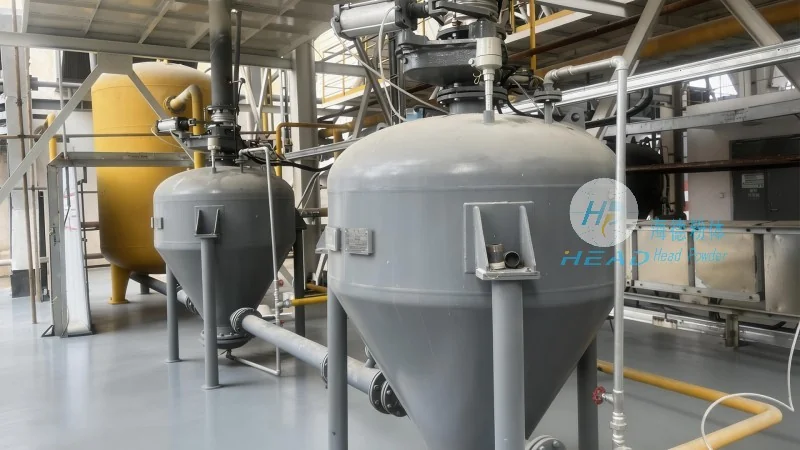
Equipment durability is another key factor. Caustic soda handling systems are subject to continuous exposure to the chemical, which can lead to wear and tear over time. Therefore, robust construction and regular maintenance are essential to ensure long-term performance. The system layout also plays a vital role in design, as it affects the flow of the material and the ease of access for maintenance and inspection. Properly designed systems minimize dead zones and ensure that caustic soda flows smoothly through the entire handling process, reducing the risk of accumulation and potential hazards.
HeadPowder Engineering's Expertise in Caustic Soda Handling Solutions
Shandong HeadPowder Engineering Co., Ltd., a leading provider of industrial engineering solutions, specializes in designing and implementing caustic soda material handling systems tailored to the specific needs of clients. With a strong commitment to safety and quality, HeadPowder leverages advanced engineering principles and industry best practices to deliver reliable and efficient handling solutions. The company's team of experienced engineers and technicians works closely with clients to understand their operational requirements, regulatory obligations, and safety goals, ensuring that each system is customized to meet unique challenges.
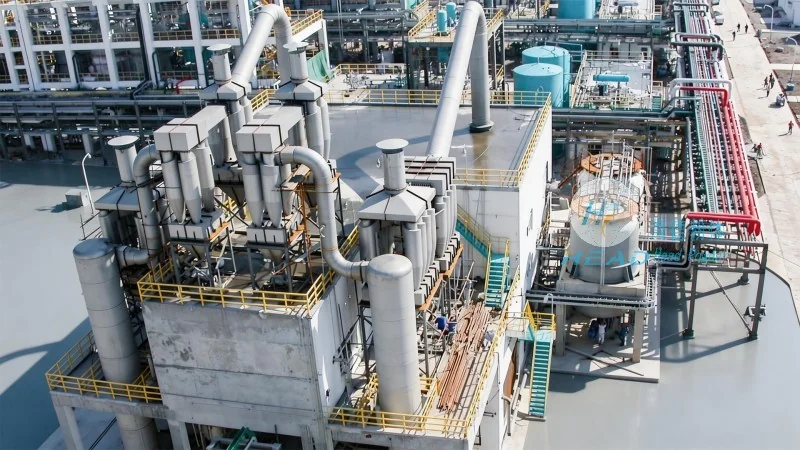
HeadPowder's approach to caustic soda handling involves a comprehensive evaluation of the client's process, including the type and quantity of caustic soda, the handling environment, and the desired output. This thorough assessment allows the company to design systems that optimize material flow, minimize downtime, and enhance overall operational efficiency. The company also emphasizes the importance of compliance with local and international safety standards, such as those set by OSHA and other regulatory bodies, to ensure that all handling systems meet the highest safety benchmarks.
Components and Technologies in Caustic Soda Handling Systems
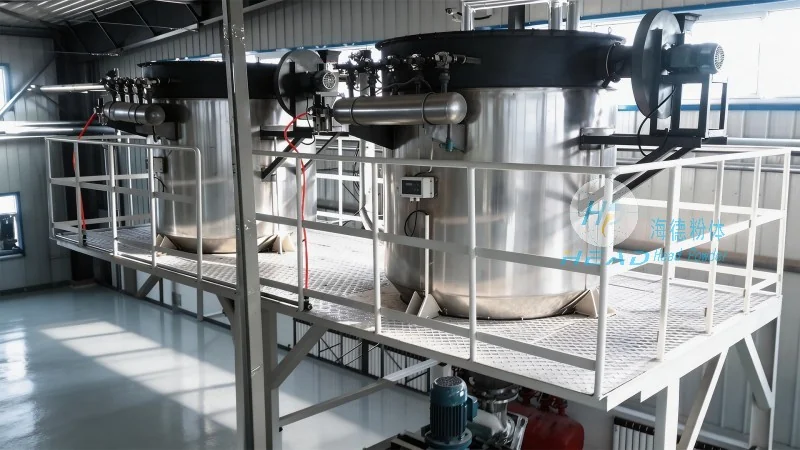
Modern caustic soda material handling systems incorporate a range of components and technologies to enhance performance and safety. These components include storage tanks, pumps, valves, and transfer equipment, each designed to withstand the corrosive nature of caustic soda. Storage tanks are typically made of stainless steel and equipped with level indicators, temperature sensors, and pressure relief valves to monitor and control the chemical's condition. Pumps, often centrifugal or positive displacement types, are used to transfer caustic soda from storage to processing areas, with materials like PTFE or Hastelloy used for pump components to prevent corrosion.
Valves and fittings are critical for controlling the flow of caustic soda, and they are usually made of corrosion-resistant materials such as stainless steel or plastic. The system may also include filtration and mixing equipment to ensure the caustic soda is properly prepared for downstream processes. Additionally, automation and control systems are increasingly used to monitor and regulate the handling process, reducing the risk of human error and improving operational consistency.
Ensuring Safety and Compliance in Caustic Soda Handling
Safety is the top priority in caustic soda material handling, and all systems must be designed with robust safety features. These features include emergency shutdown systems, leak detection mechanisms, and proper ventilation to prevent exposure to fumes. Personal protective equipment (PPE) is also essential for workers handling caustic soda, and the system design must account for the need for safe access and egress points. Compliance with environmental regulations is another critical aspect, as caustic soda can pose risks to water and soil if not handled properly. Proper waste management and spill response plans are integral to the overall safety strategy.
Regular maintenance and inspection are vital to maintaining the integrity of caustic soda handling systems. HeadPowder emphasizes the importance of scheduled maintenance to identify and address potential issues before they become major problems. This proactive approach helps ensure that the system operates efficiently and safely over its lifespan. By adhering to these principles and best practices, industrial facilities can effectively manage caustic soda while minimizing risks and maximizing productivity.




